

Hospitality businesses turn to smart upgrades to boost sales and engagement
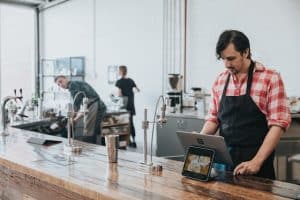
Photo by Nathan Dumlao on Unsplash
In today’s competitive hospitality market, businesses are looking for practical ways to attract customers, keep them engaged, and encourage repeat visits. The focus has shifted towards making smart upgrades that directly improve service quality, enhance the customer experience, and create a more efficient operation.
From cafes and restaurants to hotels and bars, operators are rethinking their spaces and processes to better match changing consumer expectations. They’re turning to technology and equipment that make daily operations smoother while offering guests an experience that feels both seamless and memorable.
Investing in equipment that improves service speed
For busy cafes and hotel lounges, investing in high-performance appliances can have a direct impact on both sales and guest satisfaction. Speed of service matters, and the ability to deliver quality products quickly can be the difference between a one-time visit and a loyal customer.
One popular upgrade in this area is commercial coffee machines, which allow businesses to produce consistent drinks at volume while freeing staff to focus on customer interaction. By combining reliability with the capacity to handle peak demand, these machines can help operators serve more customers without compromising on quality.
Using visual technology to drive upselling opportunities
Visual presentation plays a big role in encouraging customers to explore more of a menu. Clear, appealing displays can highlight seasonal specials, promote high-margin items, and create a more dynamic ordering experience.
Many hospitality venues are now installing digital menu boards, which offer the flexibility to update content in real time and keep promotions fresh. This approach makes it easier to respond to customer trends and market conditions without the cost and waste associated with printed materials.
Streamlining operations for better workflow
Smart upgrades aren’t only about what customers see–they also help staff work more efficiently. Equipment and systems that simplify daily routines give employees more time to focus on service, which can lead to better guest interactions and a smoother overall operation.
When staff can quickly access tools and resources, they’re better equipped to handle busy periods without delays. This improves both the working environment and the customer experience, which in turn can have a positive effect on sales.
Creating a consistent brand experience
Customers appreciate a cohesive experience that reflects the business’s identity at every touchpoint. From the style of service to the look of the menus and the quality of the products, consistency helps build trust and recognition.
Smart upgrades can support this by providing reliable, easy-to-use solutions that align with the brand’s vision. Whether it’s through technology, decor, or service enhancements, maintaining a consistent feel helps create a strong connection with guests.
Adapting to changing customer expectations
Consumer habits in hospitality are constantly evolving, and businesses that adapt quickly are often the ones that see the most success. The ability to test new ideas, roll out seasonal offers, and make quick operational changes is becoming increasingly valuable.
Upgrades that provide flexibility can help businesses respond to these shifts without significant disruption. This adaptability can make it easier to keep up with market demands and stay competitive in a crowded industry.