

Does filing a hail damage claim increase insurance? An essential guide
Understanding how insurance companies view hail damage
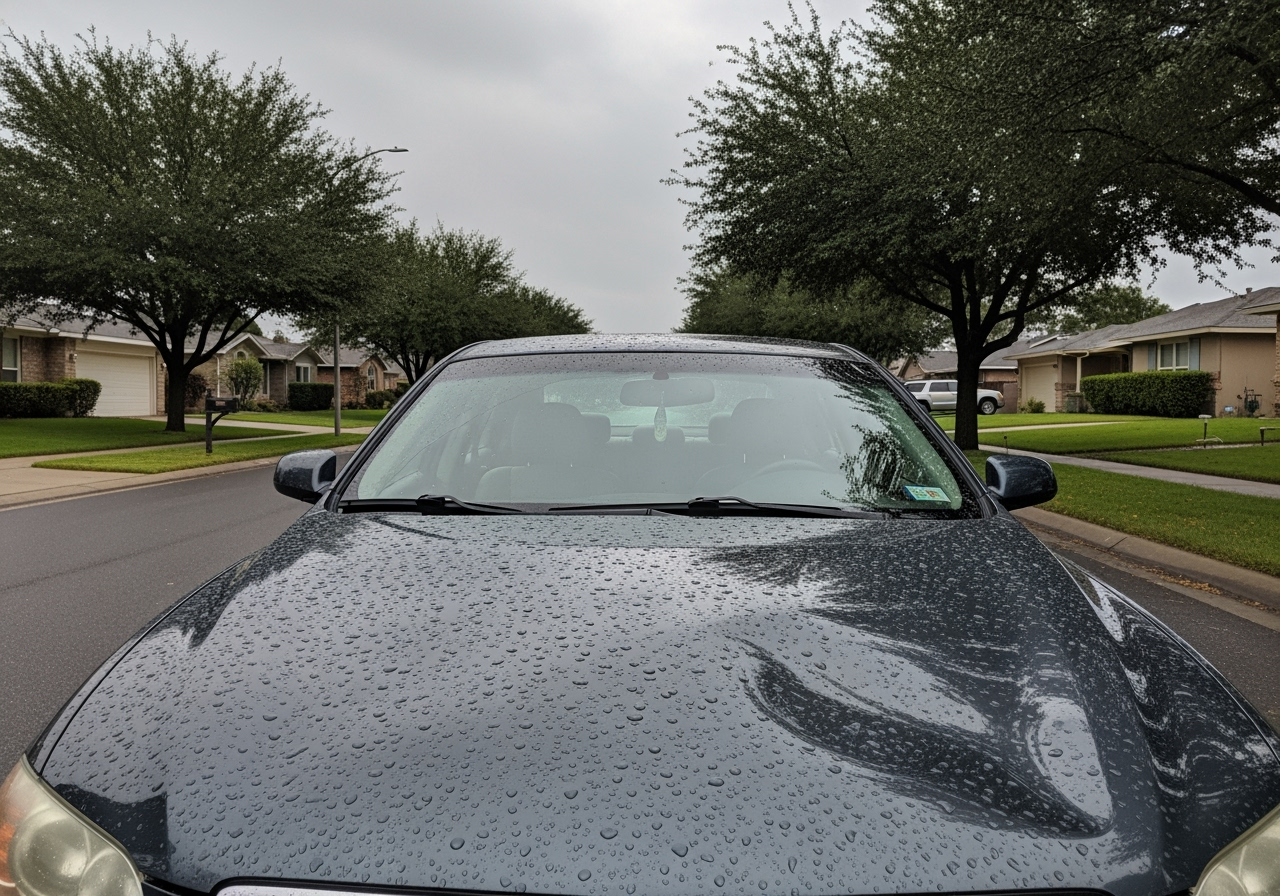 We’ve all felt that knot in our stomach when a sudden hailstorm pummels our car. Your first thought might be: “Will this claim make my car insurance rates skyrocket?”
This is a very common and valid concern for drivers. Understanding how a hail damage claim affects your auto insurance is vital. This is especially true given the rising frequency of severe weather events.
In this essential guide, we will dive deep into this topic. We’ll explore the specific types of auto insurance that cover hail damage. We will also look at how insurance companies view these “acts of nature.” And we will reveal the key factors that genuinely influence your insurance premiums after such a claim.
Our goal is to provide clear, actionable information so you can make informed decisions. We know many drivers ask, “Do hail claims raise auto rates?”, and we aim to answer that question comprehensively for you.
When your vehicle sustains damage from a hailstorm, it’s typically categorized by insurance companies as an “Act of Nature” or “Act of God.” This is a crucial distinction because it means the damage was caused by an event beyond human control, and crucially, it was not your fault. Unlike an at-fault accident, where your actions contribute to the incident, hail damage falls under non-fault claims.
Insurance companies operate on risk pools. They collect premiums from many policyholders to cover the claims of a few. When an event like a hailstorm causes widespread damage, it impacts the entire risk pool. However, a single non-fault claim, such as for hail damage, is generally viewed differently than an at-fault collision claim. While any claim can theoretically influence your risk profile, the direct impact on your individual rates from a single hail claim is often less severe than for an at-fault accident.
What type of insurance covers hail damage?
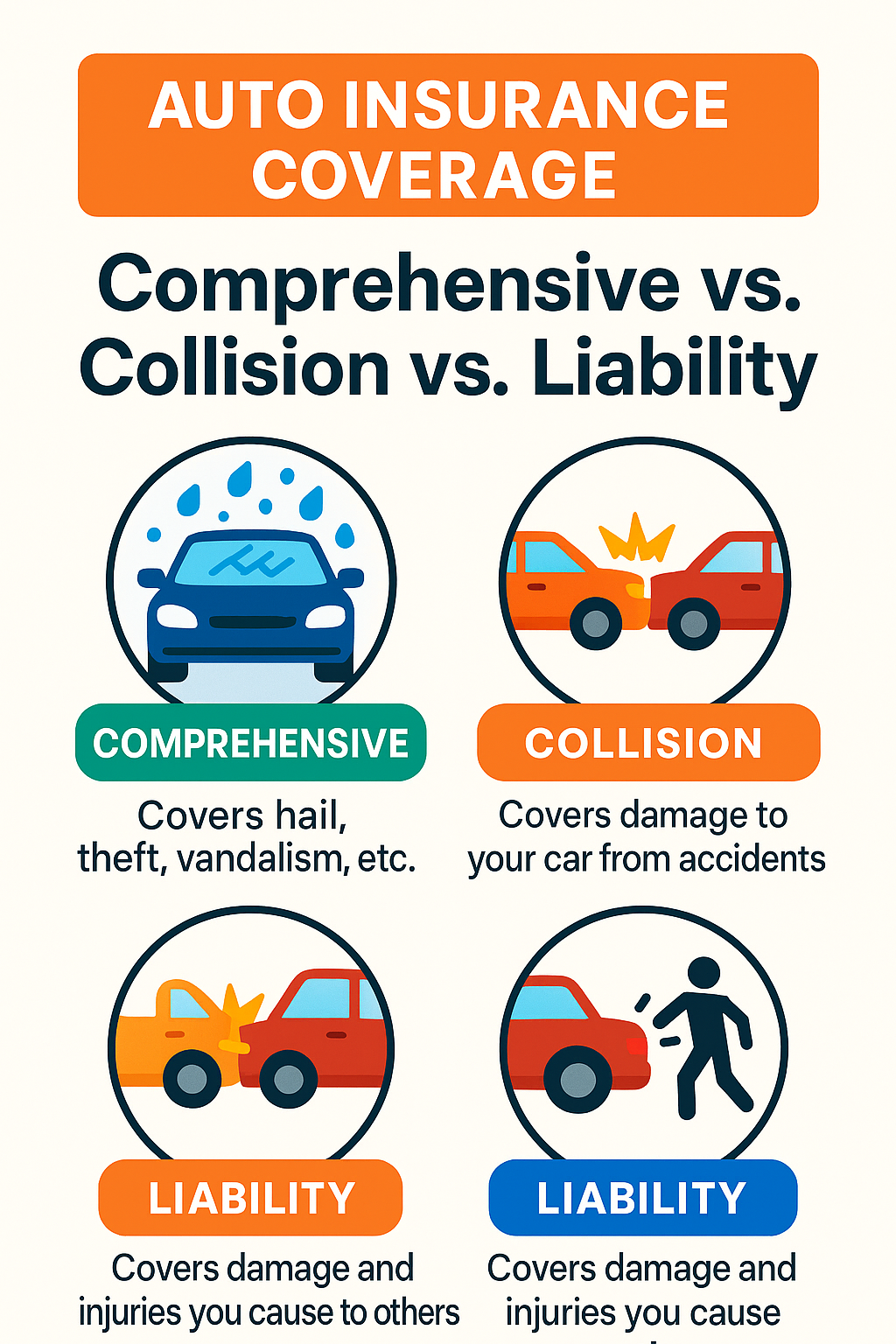
To ensure your vehicle is covered for hail damage, you need comprehensive coverage as part of your auto insurance policy. This is an optional coverage that protects your vehicle from damages caused by events other than collisions. These events include natural disasters like hail, floods, wildfires, and falling objects (such as tree limbs or hailstones). Comprehensive coverage also typically covers theft, vandalism, and damage from striking an animal.
If you only carry liability insurance, which is legally required in most states, your policy will not cover damage to your own vehicle from a hailstorm. Liability coverage is designed to pay for damages or injuries you cause to other people and their property in an accident where you are at fault. Similarly, collision insurance covers damage to your own vehicle resulting from a collision with another vehicle or object, but not from non-collision events like hail.
When comprehensive coverage pays for hail damage, it will cover the repair costs up to your vehicle’s Actual Cash Value (ACV), minus your deductible. It’s important to understand your policy limits and deductible amount before a storm hits.
Does a hail damage claim raise auto insurance rates? Key factors to consider
The question of whether a hail damage claim will raise your auto insurance rates doesn’t have a simple “yes” or “no” answer. While hail damage is a non-fault claim, several factors can influence how it impacts your premiums. These include the regional risk where you live, your personal claims frequency, the specific policies of your insurer, and even state laws.
Insurance companies continuously assess risk. If you live in an area prone to frequent hailstorms, the overall risk for all drivers in that area increases. This can lead to broader rate adjustments, even for those who haven’t filed a claim. Your personal claims history also plays a significant role; a single hail claim might not have a major impact, but multiple claims within a short period, even if non-fault, could signal a higher risk to insurers.
The underwriting process, which insurers use to evaluate risk and set premiums, considers a multitude of data points. This includes historical weather patterns, local claim activity, and your individual claims history.
How your location and claims history impact premiums
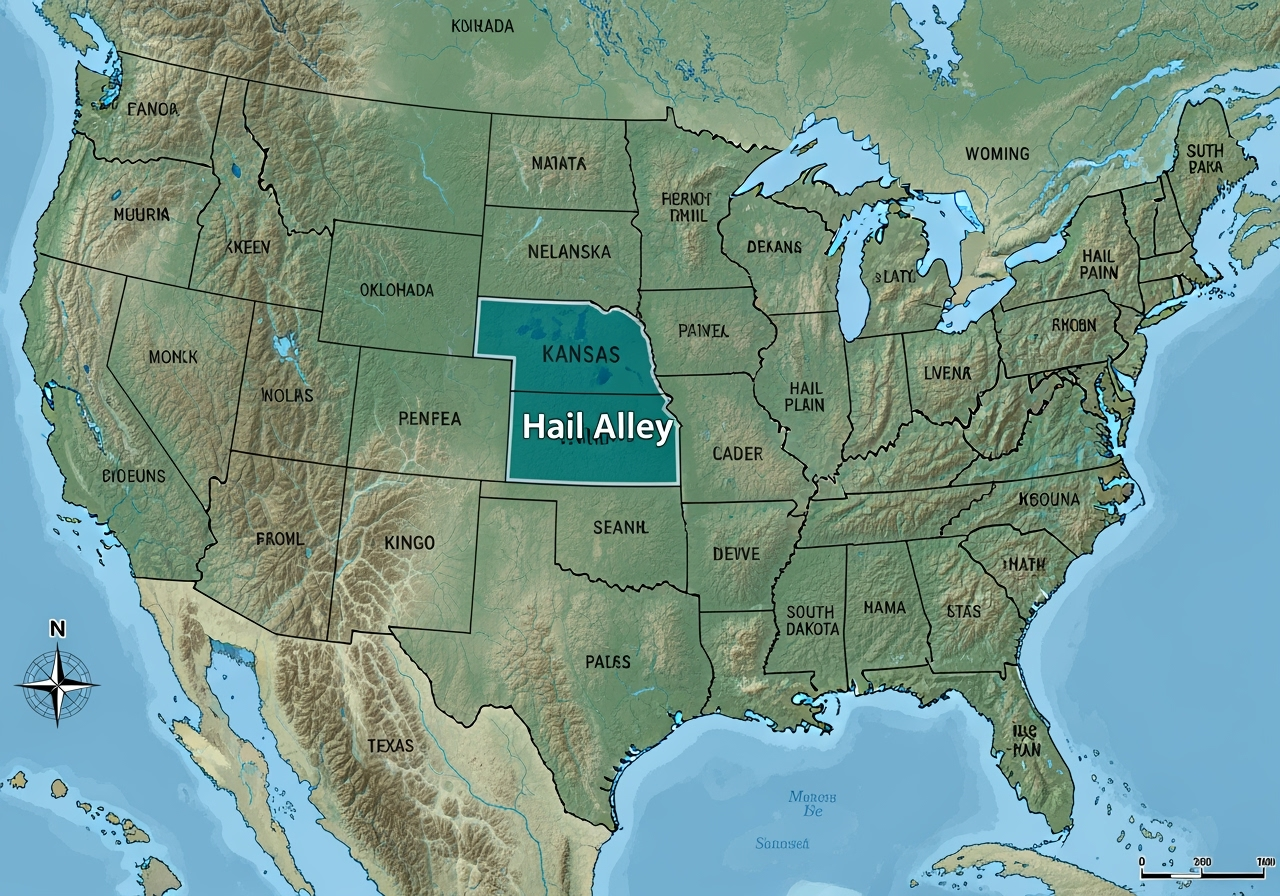
Your geographic location is a primary determinant of your insurance rates, especially concerning weather-related perils. Regions frequently hit by hailstorms, often referred to as “Hail Alley” (which includes parts of Texas, Nebraska, Minnesota, Kansas, South Dakota, Colorado, Oklahoma, and Wyoming), experience higher rates of comprehensive claims. In these areas, the sheer volume of claims can lead to general premium increases for all residents, regardless of individual claim history. For instance, in Illinois, the frequency of hailstorms has caused premiums to rise, with rates increasing by roughly 18% in 2024.
While a single hail claim is unlikely to significantly impact your individual rate, a history of multiple claims, even for non-fault events like hail or other comprehensive losses, can classify you as a “frequent claimer.” This designation can lead to higher premiums because insurers view frequent claimants as having a higher risk profile, even if the claims aren’t due to driver error. Your claims history is tracked through reports like the CLUE (Comprehensive Loss Underwriting Exchange) report, which insurance companies use to assess your past claims across different insurers. It’s a good practice to obtain a free copy of your CLUE report annually to review your claims history.
The role of state laws and insurer differences
State laws play a crucial role in how insurance companies can adjust rates after certain claims. For example, in Texas, the law prohibits insurance companies from raising your rates due to filing a comprehensive claim, such as for hail damage. This provides a significant layer of protection for policyholders in a state known for its severe weather. However, such protections are not universal, and laws vary widely by state.
Beyond state regulations, individual insurance companies have their own underwriting rules and policies regarding rate adjustments. Some insurers are more lenient with non-fault claims, viewing them as unavoidable events, while others might still factor them into your risk assessment, especially if you have a history of multiple claims. Some carriers may even offer specific policy endorsements or features that help mitigate the impact of hail damage claims on your premiums. It’s always advisable to consult your insurance agent or review your policy documents to understand your specific carrier’s stance on comprehensive claims and their potential impact on your rates. This is why comparing policies from different providers can be beneficial, particularly if you live in a hail-prone area.
Filing a claim vs. paying out-of-pocket: A financial breakdown
Deciding whether to file an insurance claim for hail damage versus paying for repairs out-of-pocket is a critical financial decision. This choice largely hinges on your deductible amount, the estimated repair costs, and your comfort level with potential long-term premium impacts.
Your deductible is the amount you must pay out of your own pocket before your insurance coverage kicks in. For comprehensive claims, deductibles commonly range from $250 to $1,000 or more. If the estimated cost to repair your hail damage is less than or only slightly more than your deductible, it might be more financially prudent to pay for the repairs yourself. This avoids involving your insurance company and potentially impacting your claims history, which could affect future rates or eligibility for discounts.
Does filing a minor hail damage claim raise auto insurance rates over time?
For minor hail damage, where the repair cost is close to or less than your deductible, filing a claim might not be worth it. While a single comprehensive claim is often less impactful than an at-fault accident, insurers do consider your claims history. If you have multiple claims on your record, even if they are for ‘acts of nature,’ you could be seen as a higher risk. This might lead to a premium increase upon your next renewal or make it harder to get competitive rates when shopping for new insurance.
Consider a scenario: your car has $700 worth of hail damage, and your comprehensive deductible is $500. If you file a claim, you’d pay $500, and the insurer would pay $200. Is that $200 payout worth the potential risk of a future rate increase or losing a “claim-free” discount? For many, the answer is no. This is where a cost-benefit analysis becomes crucial.
It’s also important to understand “zero-pay claims” or “claims without pay.” If you contact your insurer to inquire about damage or even start a claim that is later denied, or for which no payment is issued (e.g., because the damage was less than your deductible), it can still be recorded on your CLUE report. While insurance companies cannot charge you more for claims they denied or did not pay, the mere presence of a claim inquiry on your record could potentially be factored into future risk assessments by some insurers, though this is less common for simple inquiries.
When does it make sense to file a claim?
Filing a claim generally makes sense when the repair costs significantly exceed your deductible. Insurance is designed to protect you from large, unexpected financial burdens, not minor wear and tear or small repairs.
Here’s a table comparing two scenarios to help illustrate the decision-making process:
| Scenario | Repair Cost | Deductible | Insurance Payout | Potential Long-Term Rate Impact | Decision Guidance