

How roof maintenance affects business operations and costs
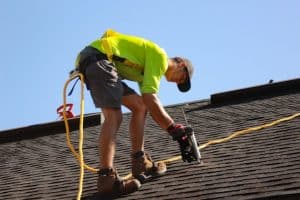
Photo by Raze Solar on Unsplash
For business owners, every detail of a property contributes to performance, and the roof is no exception. While often overlooked, a building’s roof plays a crucial role in protecting operations, managing costs, and ensuring long-term stability. Neglecting roof maintenance can lead to unexpected expenses, interruptions, and even reputational damage if issues impact employees or customers.
By treating roof maintenance as a proactive investment rather than a reactive chore, companies can safeguard their bottom line and improve operational efficiency.
Preserving structural integrity
The most obvious function of a roof is to protect the building from the elements, but this protection goes far beyond keeping out rain. A well-maintained roof prevents leaks that could damage walls, ceilings, and valuable equipment inside the property. Water intrusion, even in small amounts, can lead to mold growth, weakened foundations, and safety hazards that compromise day-to-day operations.
Maintenance doesn’t just involve patching holes; it includes tasks like sealing flashing, inspecting joints, and replacing worn-out materials. Even small preventative measures can extend the life of the roof by years, saving businesses from premature replacement costs.
Controlling costs with preventive care
Roof replacements are expensive, and deferring maintenance often accelerates the need for one. Simple upkeep measures, such as applying protective coatings or learning how to paint roof shingles for better durability, can help extend the lifespan of existing materials. Preventive care spreads out expenses, avoiding the sudden financial strain of emergency repairs or full replacements.
Businesses benefit from predictable budgeting when maintenance is prioritized. Instead of facing unexpected bills, property managers can schedule smaller, planned investments in upkeep. This cost control helps protect cash flow and ensures resources remain available for growth-oriented initiatives rather than reactive fixes.
Supporting energy efficiency
A roof doesn’t just shield against weather; it plays a major role in regulating a building’s energy efficiency. Cracks, worn insulation, or faded reflective coatings can lead to higher heating and cooling costs. A well-maintained roof contributes to stable indoor temperatures and reduced energy consumption.
Reflective coatings or properly painted shingles help reduce heat absorption, lowering air conditioning costs during summer months. Routine inspections can identify areas where insulation has deteriorated, allowing for timely upgrades that improve efficiency. These improvements lower utility bills and reduce a business’s environmental footprint.
Reducing operational disruptions
Roof problems can bring business operations to a standstill. Leaks may damage electrical systems, floods can force temporary closures, and repairs often disrupt workflow if they’re handled reactively. Proactive maintenance reduces the likelihood of sudden emergencies that affect productivity and customer experience.
By scheduling inspections and minor repairs during planned downtimes, companies minimize disruptions and maintain smooth operations. A proactive strategy prevents employees from working in unsafe conditions, fostering a safer and more reliable workplace environment.
Enhancing property value and reputation
A well-maintained roof adds to the value of a commercial property. For businesses that own their facilities, this translates to higher resale or lease potential. Prospective tenants or buyers see a strong roof as a sign of responsible management and lower future costs, making the property more attractive.
The condition of the roof affects brand perception. Customers and clients notice signs of neglect, such as leaks, water stains, or visible wear on the exterior. Maintaining the roof helps preserve a professional image, reassuring stakeholders that the company cares about quality and reliability in all aspects of its operations.
Planning for long-term stability
Photo by Tirachard Kumtanom
Ultimately, roof maintenance should not be treated as a reactive expense but as a cornerstone of a long-term business strategy. A well-cared-for roof provides security for decades, protecting employees, customers, equipment, and inventory. By adopting a proactive mindset, businesses ensure they are avoiding damage today and safeguarding their property’s value and operational stability well into the future.
Routine care, such as cleaning drains, sealing vulnerable seams, and applying protective coatings, maximizes the life of existing materials. These small, consistent actions prevent minor wear from escalating into costly structural issues. Proactive maintenance ensures that businesses can plan and budget for timely upgrades, whether that means replacing worn sections, enhancing insulation, or applying reflective surfaces to improve energy efficiency. Such foresight creates a clear roadmap for eventual replacement, allowing decision-makers to prepare financially and operationally rather than being caught off guard by emergencies.
Roof maintenance is far more than an afterthought; it’s a vital part of protecting business operations and managing costs. From preserving structural integrity and controlling expenses to supporting energy efficiency and reducing disruptions, proactive care delivers both immediate and long-term benefits.
For companies looking to take simple steps, even learning how to paint shingles or apply protective coatings can extend durability and save money. When combined with regular inspections and a long-term plan, these efforts ensure that the roof remains a strong, reliable foundation for ongoing success.