

SOS! Getting expert help with your social security application
Sponsored content. This article was supplied by a third party and Business Money has been paid to publish it.
First, know your options: A quick guide to social security benefits

Before diving into the application process, understand the different types of Social Security benefits available. Each program serves a distinct purpose and has its own eligibility requirements. Knowing which benefit aligns with your situation is the critical first step. Social Security is designed to provide a financial safety net for various life circumstances, including retirement, disability, and the loss of a family wage earner.
Retirement, survivor, and family benefits
Retirement benefits: These are the most commonly known Social Security benefits. They provide income to individuals who have worked and paid Social Security taxes throughout their careers. Your benefit amount is based on your highest 35 years of earnings. While you can start receiving retirement benefits as early as age 62, your monthly payment will be permanently reduced. To receive your full retirement benefit, you must wait until your “full retirement age” (FRA), which varies depending on your birth year. For those born in 1960 or later, FRA is 67. You can even delay claiming benefits past your FRA, up to age 70, to earn delayed retirement credits, which will increase your monthly payment.
Spousal benefits: If you are married to someone receiving Social Security retirement or disability benefits, you may be eligible to receive benefits based on their work record. This is typically up to 50% of their full retirement amount. To qualify, you generally need to be at least 62 years old, or caring for a child under age 16 or disabled. Spousal benefits do not reduce your spouse’s benefit amount.
Survivor benefits: Social Security also provides crucial financial support to the family members of a deceased worker. These benefits can be paid to a widow, widower, divorced spouse, or children. Eligibility depends on the deceased worker having earned enough Social Security credits. For example, a surviving spouse can claim benefits as early as age 60 (or age 50 if disabled) or at any age if caring for the deceased’s child who is under 16 or disabled. Children can also receive benefits if they are unmarried, under 18 (or 19 if still in high school), or disabled before age 22.
Understanding disability: SSDI vs. SSI
When it comes to disability, the Social Security Administration (SSA) manages two primary programs: Social Security Disability Insurance (SSDI) and Supplemental Security Income (SSI). While both provide financial assistance to people with disabilities, their eligibility criteria and funding sources are distinct.
Social Security Disability Insurance (SSDI): This program is for individuals who have worked and paid Social Security taxes for a sufficient period. It’s essentially an insurance program; your eligibility is based on your work history and the “work credits” you’ve accumulated. The SSA defines disability as the inability to engage in any substantial gainful activity (SGA) due to a medically determinable physical or mental impairment that is expected to last for a continuous period of at least 12 months or result in death. There is typically a five-month waiting period after your disability onset date before benefits can begin.
Supplemental Security Income (SSI): SSI is a needs-based program that provides financial assistance to aged, blind, or disabled individuals who have limited income and resources. Unlike SSDI, SSI does not require a work history; it’s funded by general tax revenues, not Social Security taxes. The income and resource limits for SSI are strict, and eligibility is determined monthly. Many states also provide supplemental payments to federal SSI payments.
It is possible to qualify for both SSDI and SSI concurrently if you meet the eligibility criteria for both programs. This is often referred to as “concurrent benefits.”
Here’s a quick comparison of SSDI and SSI:
| Feature | Social Security Disability Insurance (SSDI) | Supplemental Security Income (SSI) |
|---|---|---|
| Eligibility | Based on work history (earned enough “work credits”) and disability. | Based on financial need (limited income and resources) and disability, age (65+), or blindness. No work history required. |
| Funding source | Social Security taxes paid by workers, employers, and self-employed people. | General tax revenues (not Social Security taxes). |
| Benefit amount | Varies based on average lifetime earnings. | Federal maximum set annually; may be supplemented by state payments. |
| Health coverage | Medicare (after 24-month waiting period from benefit entitlement). | Medicaid (usually automatically, varies by state). |
| Family benefits | Dependents (spouses, children) may be eligible. | Generally no additional benefits for family members. |
The application gauntlet: Common pitfalls and how to prepare
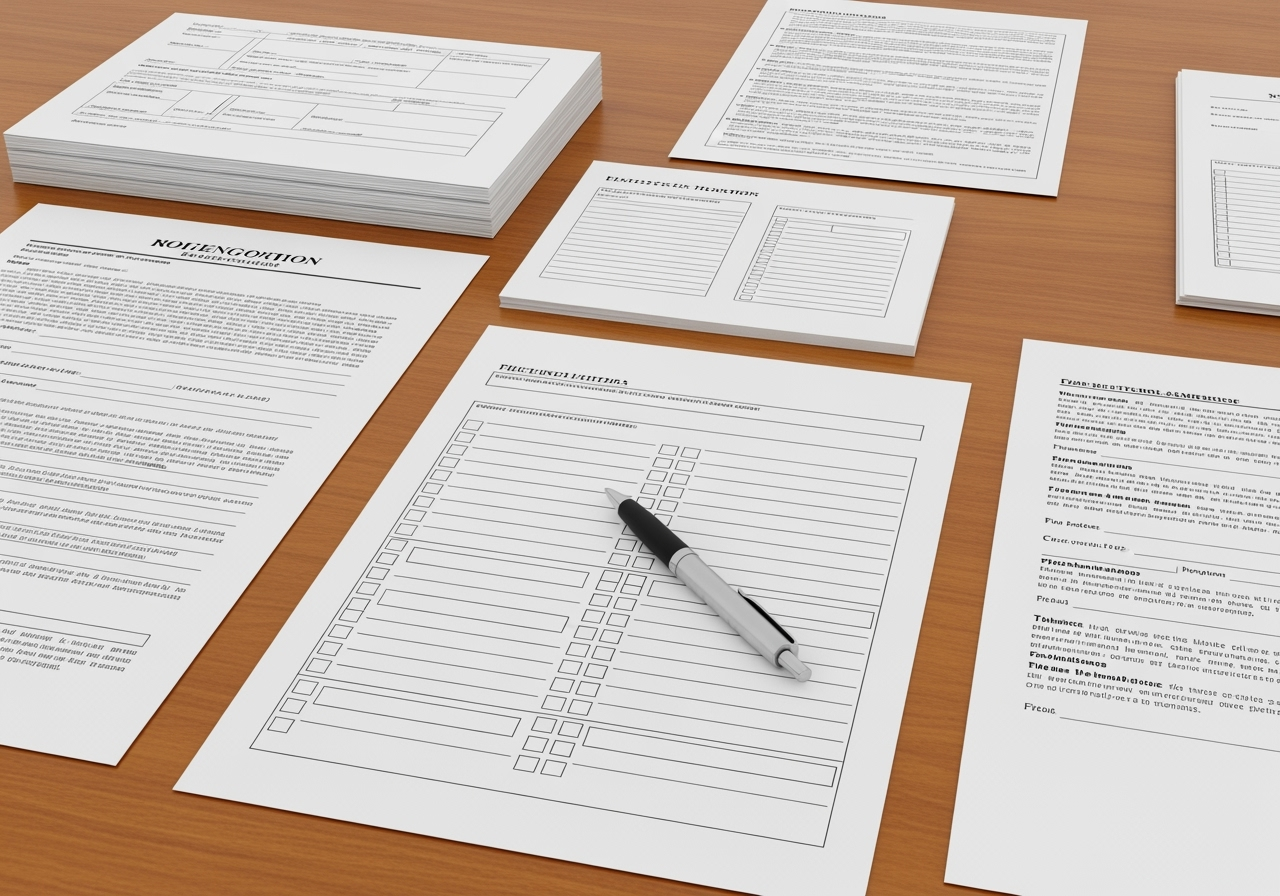
Applying for Social Security benefits, especially disability, is often described as a marathon, not a sprint. The process requires meticulous preparation, accurate information, and a clear understanding of what the SSA needs to make a decision. Many applications are denied not because the individual isn’t eligible, but because of errors or omissions in the application itself. We’ll explore how to prepare and what pitfalls to avoid.
Step 1: Determining your eligibility and gathering documents
Before you even start filling out forms, we strongly recommend using the SSA’s online benefits questionnaire or consulting with an expert to confirm your potential eligibility. This can save you significant time and effort if you don’t meet the basic criteria. Once you’ve established eligibility, the next crucial step is gathering all necessary documentation. This is where many applicants falter, leading to delays or denials.
Here is a list of essential documents you’ll likely need, though requirements can vary slightly depending on the type of benefit you’re applying for:
- Personal identification: Your Social Security card, birth certificate (or other proof of birth), and proof of U.S. citizenship or lawful alien status.
- Work history records: Your W-2 forms or self-employment tax returns for the past year and the year before. If you’re applying for disability, a detailed work history report outlining your jobs, duties, and earnings is vital.
- Medical evidence (for disability applications): This is perhaps the most critical component for disability claims. You’ll need:
- Names, addresses, and phone numbers of all doctors, hospitals, clinics, and caseworkers who have treated you.
- Dates of visits and treatments.
- Medical records, test results, and laboratory findings.
- A complete list of all medications you are currently taking, including dosages.
- A description of your medical conditions and how they limit your ability to perform work-related activities.
- Financial records (for SSI applications): Bank statements, property deeds, and any other documentation related to your income and resources.
- Marriage and divorce records: If applicable, for spousal or survivor benefits.
- Military service records: Your military discharge papers (Form DD-214) if you served in the U.S. military.
- Bank account information: For direct deposit of your benefits (routing and account numbers).
The SSA encourages applicants to have these documents ready before starting the application. While they may be able to help obtain some records, having them prepared significantly speeds up the process.
Step 2: Avoiding common mistakes that lead to denial
Applying for Social Security benefits, particularly disability, is a detailed process where small mistakes can have significant consequences. Many applications are initially denied, not due to lack of eligibility, but because of errors or insufficient information. Let’s look at some common pitfalls and how to steer clear of them.
- Inconsistent information: One of the most frequent reasons for denial is providing conflicting information across different forms or during interviews. For instance, if your application states you can only stand for 15 minutes, but your doctor’s notes indicate you can stand for an hour, this inconsistency will raise red flags. Ensure all your answers are honest, concise, and consistent across every document you submit and every conversation you have with the SSA.
- Insufficient medical proof: For disability claims, medical evidence is paramount. Simply stating you are disabled is not enough. You must provide objective medical evidence from qualified professionals that clearly documents your diagnosis, symptoms, treatment history, and, most importantly, how your condition functionally limits your ability to perform work-related tasks. A common mistake is not providing enough detail on your functional limitations (e.g., “I have back pain” vs. “My back pain prevents me from lifting more than 5 pounds, sitting for more than 30 minutes, or standing for more than 15 minutes”).
- Missing deadlines: The SSA operates on strict deadlines, especially during the appeals process. Failing to respond to requests for information or file an appeal within the specified timeframe (often 60 days) can result in your case being closed, forcing you to start the entire application process over. Always keep copies of everything you send and note down all deadlines.
- Understating limitations or overstating abilities: Some applicants, out of pride or a desire to appear capable, may downplay the severity of their symptoms or the extent of their limitations. This can be detrimental to a disability claim. Be honest and thorough about how your condition affects your daily life and ability to work. Conversely, don’t exaggerate; stick to the facts and how they are supported by medical evidence.
- Not listing all conditions: Even if one condition seems to be the primary cause of your inability to work, you should list all physical and mental health conditions that contribute to your disability. The SSA considers the combined effect of all impairments.
- Lack of ongoing treatment: For disability benefits, the SSA wants to see that you are actively seeking and following treatment for your conditions. If you’re not consistently seeing doctors, taking prescribed medications, or attending therapy, it can suggest that your condition isn’t as severe as claimed or that you’re not doing what’s necessary to improve.
- Incomplete forms: Every question on the application forms should be answered. If a question doesn’t apply to you, write “N/A” or “None” rather than leaving it blank. Blank fields can lead to delays as the SSA attempts to clarify missing information.
The complexity of these forms and the need for precision highlight the value of professional review. An experienced advocate or attorney can help ensure your application is accurate, complete, and effectively presents your case, significantly improving your chances of approval.
Where to find expert help applying for social security benefits

Given the intricate nature of Social Security applications, particularly for disability benefits, many individuals find themselves seeking professional assistance. The decision to go it alone or enlist expert help can significantly impact the outcome of your claim.
DIY vs. professional assistance: Weighing your options
Applying for Social Security benefits on your own is certainly an option. The Social Security Administration provides numerous resources, including detailed online guides, forms, and phone support, to help you steer the process. For straightforward retirement or spousal benefit applications, many people successfully apply online or by phone without external help.
However, when it comes to Social Security Disability Insurance (SSDI) or Supplemental Security Income (SSI) claims, the landscape changes dramatically. These applications are often complex, requiring extensive medical documentation, detailed functional reports, and a thorough understanding of SSA’s disability criteria. The SSA itself acknowledges the difficulty, and statistics underscore the challenge: only 5% of individuals surveyed about the Social Security disability application process answered all questions correctly.
This is where professional assistance can become invaluable. While the SSA provides general assistance, they cannot act as your advocate or help you strategize your claim. An attorney or advocate, on the other hand, can:
- Help gather evidence: They know exactly what medical evidence the SSA needs and can assist in obtaining it from your healthcare providers.
- Prepare your application: They can ensure your application forms are completed accurately, consistently, and highlight the most relevant information about your disability and limitations.
- Handle communication with SSA: They can manage all correspondence, respond to requests for information, and ensure deadlines are met.
- Represent you in appeals: If your initial application is denied, they can represent you through the various stages of the appeals process, including reconsideration, Administrative Law Judge (ALJ) hearings, and beyond.
- Strategize your case: They understand the nuances of Social Security law and can build a compelling case based on legal precedents and medical facts.
The impact of professional representation is clear: applicants who work with a disability lawyer are three times more likely to win their case than those who apply on their own. This statistic alone speaks volumes about the value of expert guidance.
Finding the right kind of help applying for social security benefits
Once you decide that professional assistance is the right path for you, the next step is finding the right type of help. Several avenues offer support, each with its own strengths.
- Disability lawyers: These attorneys specialize in Social Security disability law. They are licensed to practice law in your state and are well-versed in the SSA’s regulations and appeals process. Most work on a contingency basis, meaning they only get paid if you win your case, and their fees are capped by law. This makes legal representation accessible to everyone, regardless of their current financial situation.
- Non-attorney advocates: These professionals are also highly experienced in Social Security disability claims but are not licensed attorneys. They often have backgrounds as former SSA employees or have experience in the field. Like lawyers, many work on a contingency fee basis. They can represent you through the initial application and reconsideration stages, and often at the ALJ hearing.
- Caseworkers and social workers: If you are already connected with a social service agency, a hospital, or a local community organization, a caseworker or social worker might be able to provide some assistance. While they typically don’t offer legal representation, they can help you gather documents, understand the process, and connect you with other resources.
- Legal aid and pro bono services: For individuals with very low incomes, legal aid organizations or pro bono programs (where lawyers offer their services for free) may be available. These services are often limited due to high demand, so it’s important to inquire early.
- Veterans’ organizations: If you are a veteran, organizations like the Veterans of Foreign Wars (VFW) or the American Legion often have accredited service officers who can assist with Social Security claims, in addition to VA benefits.
- Support for people facing barriers: The SSA is committed to providing service to everyone, including those facing significant barriers. Resources are available for homeless individuals, those transitioning from incarceration, and others who may need extra support. Local Social Security offices can offer dire need payments or expedite applications in certain circumstances. For comprehensive assistance, including navigating the complexities of the application process, many find dedicated services invaluable. When you need expert guidance for your application, exploring options for Social Security Benefits Application Help can provide that crucial support. Such services can help ensure your application is as strong as possible, increasing your chances of a favorable outcome.
Choosing the right type of help depends on the complexity of your case, your financial situation, and your comfort level. For disability claims, the consensus among experts is that professional representation significantly increases your chances of success.
After you apply: The waiting game and next steps

Once you’ve submitted your Social Security application, a new phase begins: the waiting game. This period can be frustrating, especially for disability applicants, as it often involves significant delays. Understanding what to expect and how to monitor your application is key to managing this time effectively.
Checking your status and understanding timelines
The SSA processes millions of applications annually, and the time it takes to get a decision can vary widely depending on the type of benefit and the complexity of your case.
- Retirement and spousal benefits: These applications are generally processed much faster, often within a few weeks to a couple of months, especially if filed online and all information is complete. You can apply for Social Security retirement benefits up to 4 months before you want to start receiving your benefits.
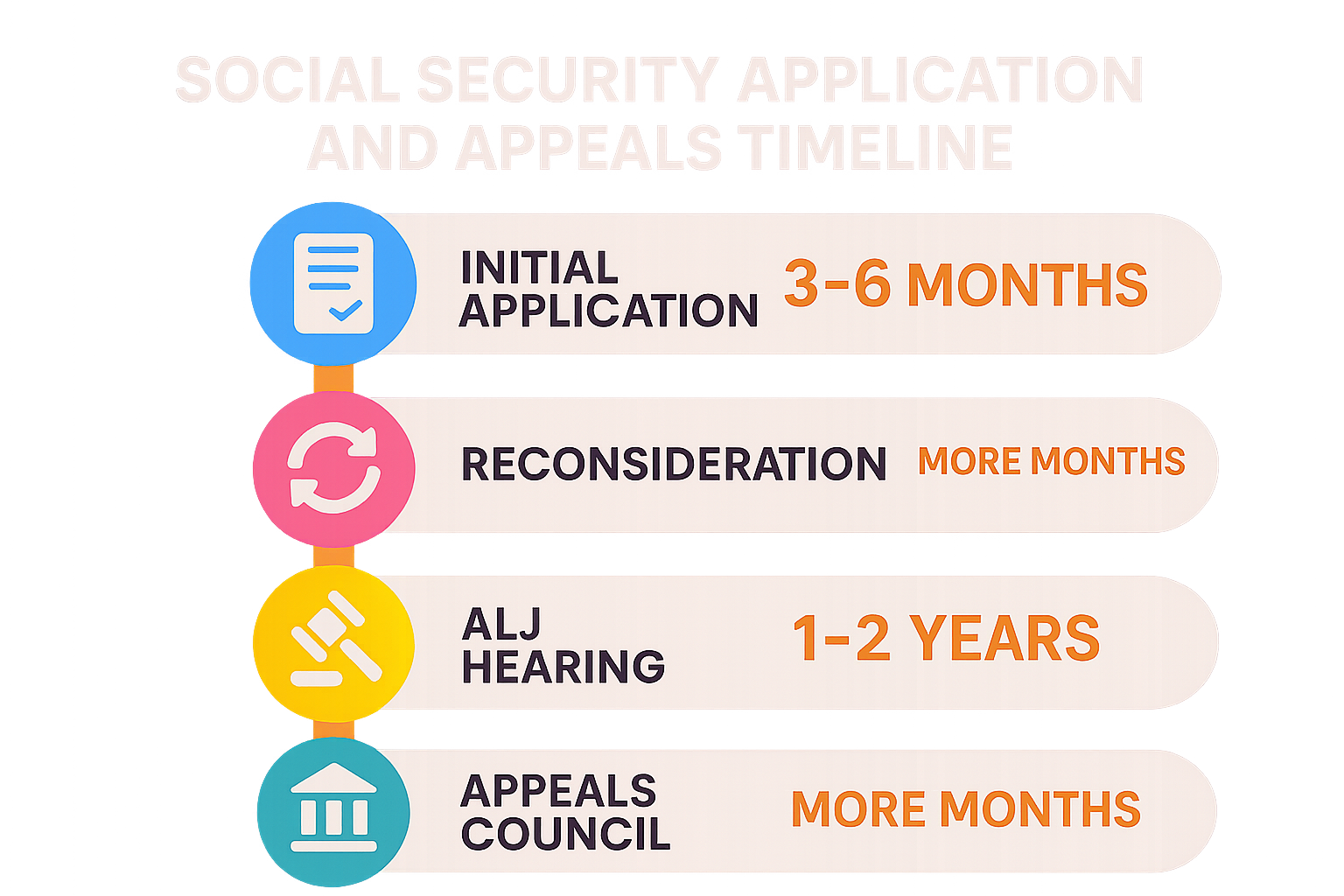
- Disability benefits (SSDI/SSI): This is where patience is truly tested. The average Social Security Disability Insurance (SSDI) application can take more than two years to process from initial application to a final decision if appeals are involved. Initial applications typically take 3 to 6 months. However, if your application is denied and you appeal, each stage of the appeal process (reconsideration, ALJ hearing) can add many more months, or even over a year, to the overall timeline. Certain severe conditions, identified under the Compassionate Allowances program, can expedite the decision for disability claims.
How to check your application status:
- my Social Security account: The most convenient way to check the status of your application or appeal is through your personal “my Social Security” account online. If you don’t have one, we highly recommend creating one. This account allows you to see your application’s progress, estimated decision date, and any requests for additional information.
- Online status checker: The SSA also has a dedicated online tool at ssa.gov/apply/check-application-or-appeal-status where you can enter your application information to get an update.
- Phone inquiries: You can call the SSA’s national toll-free number (1-800-772-1213) and say “application status” when prompted. Be prepared for potentially long wait times.
- Local social security office: While you can visit your local office, it’s often more efficient to check online or by phone first. In 2025, appointments are required to apply for benefits or conduct other business in person at a Social Security office.
Delays are common, and the SSA will contact you if they need more information. Responding promptly to any requests for documentation is crucial to avoid further delays.
Handling a denial and the appeals process
Unfortunately, many Social Security applications, especially for disability, are initially denied. This can be disheartening, but it’s crucial to understand that a denial is not the end of the road. The SSA has a multi-level appeals process, and many successful claims are approved at later stages.
Common reasons for denial:
- Medical reasons: The SSA determines your condition does not meet their definition of disability, or there isn’t enough medical evidence to support your claim.
- Technical reasons: You may not have enough work credits for SSDI, or your income/resources exceed the limits for SSI.
- Failure to cooperate: Not providing requested information or missing deadlines.
The appeals process:
If your application is denied, you will receive a letter explaining the reason and outlining your appeal rights. You typically have 60 days from the date you receive the denial letter to file an appeal. The appeals process generally involves four levels:
- Reconsideration: This is the first level of appeal. Your case will be reviewed by someone who was not involved in the original decision, often with new evidence you provide. Most reconsiderations are also denied.
- Hearing by an Administrative Law Judge (ALJ): If reconsideration is denied, you can request a hearing before an ALJ. This is often the most critical stage, as you and your representative can present your case in person, offer testimony, and cross-examine vocational or medical experts. Many claims are approved at this stage.
- Appeals Council review: If the ALJ denies your claim, you can request a review by the SSA’s Appeals Council. They will review the ALJ’s decision for legal or procedural errors. They may affirm the denial, remand the case back to an ALJ for further review, or, less commonly, approve the benefits themselves.
- Federal court review: As a last resort, if the Appeals Council denies your claim or refuses to review it, you can file a lawsuit in a U.S. District Court.
Why expert help is critical for appeals:
Navigating the appeals process, especially the ALJ hearing, can be incredibly complex. This is where professional representation truly shines. An experienced disability lawyer or advocate can:
- Identify the weaknesses in your initial application or the SSA’s denial.
- Gather additional medical evidence and expert opinions.
- Prepare you for testimony at the ALJ hearing.
- Present your case effectively to the ALJ, citing relevant laws and regulations.
- Cross-examine any vocational or medical experts called by the SSA.
The statistics on success rates with legal representation are particularly compelling at the ALJ hearing level. While it’s a long and often frustrating process, persistence and professional guidance significantly increase your chances of ultimately securing the benefits you deserve.
Frequently asked questions about the application process
We understand that applying for Social Security benefits can raise many questions. Here are answers to some commonly asked ones:
How do I get a replacement Social Security card or benefit statement?
You can easily request a replacement Social Security card or benefit statement (like an SSA-1099 for tax purposes) through your “my Social Security” account online. This is the fastest and most convenient method. You can also print a benefit verification letter directly from your account. If you don’t have an online account, you can apply for a replacement card by mail or in person at a local Social Security office. For benefit statements, you can also call the SSA’s toll-free number.
When are benefits paid and what if a payment is late?
Social Security benefits are generally paid on specific days of the month, determined by your birth date:
- If your birth date is on the 1st through 10th of the month, your benefits are paid on the second Wednesday of each month.
- If your birth date is on the 11th through 20th of the month, your benefits are paid on the third Wednesday of each month.
- If your birth date is on the 21st through 31st of the month, your benefits are paid on the fourth Wednesday of each month.
If your payment date falls on a federal holiday, it will be paid on the preceding business day. We highly recommend setting up direct deposit for your benefits to ensure timely and secure receipt. If your payment is more than three days late, you should contact the Social Security Administration directly.
Will other financial aid, like rental assistance, affect my SSI?
For Supplemental Security Income (SSI) recipients, receiving other financial assistance can sometimes affect your benefit amount. This is because SSI is a needs-based program with strict income and resource limits. Certain types of assistance, particularly those that help pay for food or shelter (known as In-Kind Support and Maintenance or ISM), can be counted as income and reduce your SSI payment.
However, not all financial aid impacts SSI benefits. For example, temporary emergency rental or homeowner assistance provided through specific federal programs (like certain COVID-19 relief funds) may be excluded from income calculations. It’s crucial to report any changes in your income, resources, or living arrangements to the SSA promptly. If you are unsure how a specific type of financial assistance might affect your SSI, it’s always best to contact the SSA directly or consult with a benefits expert. They can provide guidance based on your specific situation and the nature of the aid received.
Conclusion: Taking the first step towards securing your benefits
Navigating the Social Security benefits application process can be a significant challenge, but it doesn’t have to be an impossible one. Whether you’re applying for retirement, survivor, or disability benefits, understanding the types of aid available, carefully preparing your documentation, and knowing how to avoid common pitfalls are crucial steps.
We’ve explored the complexities of the system, from distinguishing between SSDI and SSI to understanding the multi-stage appeals process. What becomes clear is that while self-application is an option, the value of expert assistance, especially for disability claims, cannot be overstated. With statistics showing a significantly higher success rate for those with professional representation, making an informed decision about seeking help is paramount.
Securing the benefits you’re entitled to is a fundamental right, and taking the first step, armed with knowledge and potentially expert guidance, is key. Don’t let the complexity deter you. By understanding your options and leveraging the right support, you can confidently move forward towards securing your financial future.