

Smart tips for buying office equipment that lasts
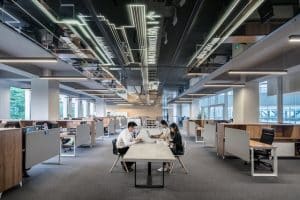
Photo by LYCS Architecture on Unsplash
Outfitting an office with the right equipment is more than a one-time purchase; it’s an investment in efficiency, productivity, and long-term cost savings. The choices you make when buying office furniture, technology, and tools can directly impact employee performance and the success of your organization.
With so many options on the market, it’s easy to be swayed by flashy features or low prices that don’t stand the test of time. By following a few smart strategies, businesses can make equipment purchases that truly deliver durability, functionality, and value.
Start with an assessment of needs
Before shopping for new office equipment, it’s important to assess what your business really needs. This involves considering the daily workflow, number of employees, and long-term growth goals. A small startup may not require the same level of investment in printing or networking hardware as a larger, established company.
Taking stock of current equipment helps. Are existing machines underutilized, or are employees frequently frustrated by slow or unreliable tools? A thoughtful assessment prevents overspending on unnecessary items while ensuring that critical needs are met.
Prioritize essential tools first
Every office has certain categories of equipment that form the foundation of day-to-day operations. Computers, printers, phone systems, and mailing tools all fall into this crucial category.
Investing in reliable core equipment ensures that your team can work without interruption. Mailing solutions are often overlooked but can have a big impact. Purchasing postage equipment for businesses can save both time and money by streamlining the process of sending documents, invoices, and packages. Instead of waiting in line at the post office, employees can process mail directly in the office, improving efficiency and professionalism.
By prioritizing such essentials, you create a strong infrastructure that supports business operations for years to come.
Focus on quality and durability
When buying office equipment, it can be tempting to opt for lower-cost options. While this may save money upfront, cheap equipment often breaks down quickly, leading to costly repairs or frequent replacements. In the long run, higher-quality, durable items provide better value.
Look for well-reviewed products with strong warranties and proven track records. Reputable brands may cost more initially, but they usually offer greater longevity and customer support. Investing in durable office furniture, like ergonomic chairs and desks, can prevent injuries, reduce absenteeism, and boost employee comfort and productivity.
Consider energy efficiency and sustainability
Sustainability isn’t just a buzzword, it’s an important consideration for businesses looking to reduce costs and environmental impact. Many modern office tools are designed with energy efficiency in mind, from ENERGY STAR-certified printers to LED lighting systems. These products consume less power, which translates into lower utility bills.
Sustainable choices enhance a company’s reputation. Clients, partners, and employees increasingly value businesses that demonstrate environmental responsibility. By selecting energy-efficient and eco-friendly equipment, you save money and strengthen your brand image.
Plan for scalability and future growth
Your office needs today may look very different a few years down the line. That’s why it’s important to choose equipment that can grow with your business. Scalable solutions, such as modular furniture, cloud-based communication systems, and multifunction printers, allow for flexibility as your team expands.
Technology, in particular, should be chosen with future updates in mind. Opt for devices that can integrate with new software or systems, rather than those that may become obsolete quickly. Planning ahead minimizes the need for frequent upgrades and ensures smoother transitions as your company evolves.
Factor in maintenance and support
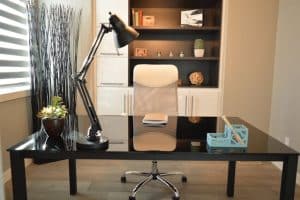
Photo by Pixabay
Even the best, most reliable office equipment will eventually need servicing. Wear and tear, software updates, or unexpected breakdowns are realities every business faces. That’s why factoring in maintenance and support should be a top priority when making purchasing decisions. The upfront cost of equipment is only one part of the equation; how it will be maintained and supported can have an even greater impact on long-term value.
Before committing to a purchase, carefully evaluate the level of after-sales support offered by the manufacturer or supplier. Some important questions to ask include: Are replacement parts readily available in your region, or will they need to be shipped internationally, causing delays? Does the product come with a comprehensive warranty, and if so, what does it cover: labor, parts, or both?
Investing in office equipment is about more than filling a workspace with tools; it’s about creating a foundation for productivity, efficiency, and growth. By starting with a needs assessment, prioritizing crucial tools, focusing on quality, and planning for scalability, companies can make smarter purchasing decisions that pay off over the long term.
Sustainability and reliable support should guide these choices, ensuring that every piece of equipment contributes to both immediate efficiency and future success. With thoughtful planning and a focus on durability, your office can be equipped to thrive today and adapt seamlessly to the challenges of tomorrow.