

Why personalization is the key to modern marketing
 The line between helpful and forgettable marketing has never been thinner. Consumers expect brands to recognize their interests, anticipate their needs, and deliver content that feels tailored—not templated. The shift toward personalization isn’t just a trend; it’s a strategic priority with real impact on engagement, loyalty, and revenue.
With the launch of innovative tools like the AI flyer generator from Adobe Express, it’s now easier than ever to personalize marketing assets at scale—without sacrificing quality or brand consistency.
What is personalization in marketing?
Personalization refers to tailoring marketing content, offers, and experiences to individual users based on their preferences, behavior, demographics, or other relevant data.
This includes:
- Referencing a customer’s name or purchase history in emails
- Recommending content or products based on past engagement
- Customizing visual assets (like flyers or ads) for specific audiences
Takeaway: Personalization transforms one-size-fits-all messaging into high-relevance, high-impact experiences.
Why personalization matters in 2025
1. Engagement and conversion
Businesses that personalize effectively report 10–15% increases in revenue, with some industries reaching up to 25%. Personalized experiences foster stronger emotional connection and action from users.
Source: McKinsey & Company – Personalization Research
2. Customer loyalty and satisfaction
Studies show that 65% of consumers are more likely to purchase from brands that personalize. It’s no longer optional—it’s expected.
3. Brand differentiation
When consumers feel “seen” by a brand, trust increases. Generic content fades into the background; personalized content cuts through the noise.
Takeaway: Personalization is the competitive edge that keeps customers engaged and returning.
How to create a personalization strategy
Collect meaningful data
Start with first-party data like browsing behavior, purchase history, and preferences. Ensure compliance with privacy regulations and offer opt-in options.
Segment your audience
Divide your audience into groups based on common traits (e.g., location, behavior, intent). This helps make personalization scalable without being overwhelming.
Use smart creative tools
Automate content creation with tools that allow you to generate custom visuals quickly. An AI flyer generator can help marketers create multiple versions of a flyer—each tailored to a specific segment or campaign objective.
Align content to audience needs
Match your messaging, visuals, and offers to the data you have. For instance, if a user is interested in events, they should see localized flyers and content related to their area.
Respect privacy
Transparency matters. Let users know how their data is used and provide options to update preferences or opt out.
Takeaway: A strong personalization strategy is built on ethical data, smart segmentation, and agile creative execution.
The role of an AI flyer generator in personalized marketing
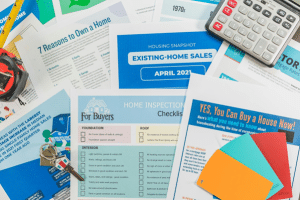 Creating personalized marketing materials used to require large design teams, long timelines, and major budgets. Today, tools like an AI flyer generator help marketing teams build:
- Localized flyers for specific regions or store locations
- Audience-specific promotions with tailored images and copy
- Designs aligned with brand guidelines, ensuring consistency across assets
With Adobe Express’s AI flyer generator, even small teams can produce professional, personalized visual content in minutes—not days.
Takeaway: Visual personalization at scale is possible—without sacrificing brand integrity or speed.
Common challenges (and fixes)
| Challenge | Solution |
| Lack of clean user data | Audit your CRM. Start with small, verified segments before expanding. |
| Inconsistent brand visuals | Use templates and brand kits within your design tools. |
| Time/resource constraints | Automate repeatable tasks and use tools like an AI flyer generator for scale. |
| Risk of overpersonalization | Keep messaging relevant but not invasive. Less is often more. |
Takeaway: With thoughtful planning and the right tech, these hurdles are easy to overcome.
Summary
- Personalization transforms brand interactions from generic to memorable.
- It leads to better performance, higher loyalty, and improved brand reputation.
- Success depends on smart strategy, ethical data use, and tools like an AI flyer generator to help scale personalization in design.
- Brands that ignore personalization risk falling behind—while those that invest in it build stronger, longer-lasting customer relationships.
FAQs
Q1: What’s the difference between personalization and customization?
A: Personalization is brand-led (based on user data); customization is user-led (based on their own choices).
Q2: Can smaller brands implement personalization too?
A: Yes—many affordable tools and tactics (like segmented email campaigns or AI-generated flyers) allow small teams to personalize effectively.
Q3: How does an AI flyer generator support personalization?
A: It allows marketers to rapidly create tailored visual content for different segments, events, or locations—without starting from scratch.
Q4: How much personalization is too much?
A: If users feel tracked or uncomfortable, it’s too much. Stick to content that adds value and respects boundaries.
Q5: Is personalization only about emails?
A: Not at all—personalization applies to websites, ads, flyers, app content, and even packaging.