

Energy options that improve property efficiency

Photo by Outsite Co on Unsplash
When energy costs are steadily rising and environmental concerns are becoming more pressing, improving property efficiency has never been more crucial. Homeowners and property managers are constantly seeking ways to enhance energy performance while reducing costs. From renewable sources to innovative technologies, various options can be employed to boost energy efficiency and sustainability. Understanding these systems empowers property owners to make informed choices that save money and benefit the environment in the long term.
Renewable energy sources
Harnessing renewable energy sources is at the forefront of improving property efficiency. Solar power, wind energy, and geothermal systems are sustainable options that contribute to reduced carbon emissions and utility bills. By investing in a solar solution, property owners can generate their own electricity, significantly decreasing reliance on fossil fuels. This independence adds value to the property. According to a study by the U.S. Department of Energy, properties with solar panel systems tend to sell at a premium, reflecting the increasing demand for energy-efficient homes. The transition to renewable energy sources is not merely a trend. It’s becoming a standard for eco-conscious property management.
Solar panel systems
Among renewable energy options, solar panel systems stand out due to their efficiency and versatility. These systems convert sunlight into electricity, making them a popular choice for residential and commercial properties alike, as professionals behind Elite Home Energy Solutions explain. With the continual advancements in technology, modern solar panels are more efficient than ever, often generating enough energy to cover a significant portion of a property’s energy needs. For property owners looking for a dependable energy solution, partnering with a provider can facilitate a seamless transition to solar energy. Many regions offer incentives and rebates, making solar systems even more accessible for property owners.
Energy-efficient appliances
Another critical aspect of energy-efficient properties is the use of energy-efficient appliances. These appliances, ranging from refrigerators to washing machines, are designed to use less energy while providing the same level of performance. ENERGY STAR certified appliances can lead to substantial savings on electricity bills. Research from the EPA shows that if every American household replaced just one light bulb with a more efficient option, it would prevent greenhouse gas emissions equivalent to those from more than 3 million cars. By prioritizing energy-efficient appliances, homeowners can significantly reduce their energy consumption and improve property efficiency.
Smart home technology
The integration of smart home technology is revolutionizing property efficiency. Smart thermostats, lighting systems, and energy monitors empower homeowners to manage energy use more effectively. A smart thermostat can adjust heating and cooling based on occupancy, leading to energy savings without sacrificing comfort. According to a report by the Consumer Technology Association, smart home technology can lead to an average savings of 10 to 30 percent on energy bills. With real-time monitoring and remote control capabilities, these technologies help users take control of their energy consumption, making it easier to maintain an efficient property.
Improving insulation and air sealing
Insulation and proper air sealing play crucial roles in maintaining a comfortable and efficient property. Poor insulation can lead to heat loss during winter and excessive heat buildup in summer, causing heating and cooling systems to work overtime. Energy-efficient insulation materials help regulate indoor temperatures, reducing the demand for heating and cooling. Sealing cracks and gaps around windows and doors can prevent unwanted air leaks, improving energy retention. The U.S. Department of Energy states that homeowners can save up to 20 percent on heating and cooling costs by improving insulation and air sealing. This investment significantly lowers energy bills.
Water heating solutions
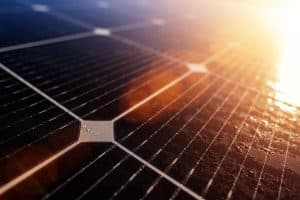
Image by Bruno from Pixabay
Water heating is another area where property efficiency can be enhanced effectively. Traditional water heaters consume a large amount of energy, but modern alternatives like tankless water heaters, solar water heaters, and heat pump water heaters offer substantial savings. Tankless systems provide hot water on demand, eliminating standby energy losses associated with conventional models. Meanwhile, solar water heaters use sunlight to heat water, providing an eco-friendly solution with minimal operational costs. According to the U.S. Department of Energy, a household can save between 24 to 34 percent on energy costs by switching to a tankless water heater. Implementing efficient water heating solutions is crucial for any property owner seeking to enhance energy performance.
Focusing on energy options that improve property efficiency is both a practical and environmentally responsible approach. By investing in renewable energy solutions, energy-efficient appliances, smart technologies, enhanced insulation, and advanced water heating systems, property owners can significantly lower energy usage and costs. Each step toward enhanced efficiency not only benefits one’s finances but also contributes positively to the planet’s health. As the demand for energy-efficient properties grows, these strategies will prove invaluable in maintaining competitive housing and rental markets.