

Designing for durability: How to create long-lasting commercial spaces
Sponsored content. This article was supplied by a third party and Business Money has been paid to publish it.
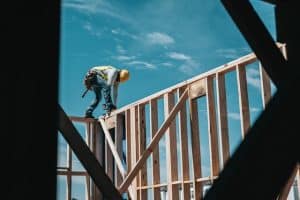
Photo by Josh Olalde on Unsplash
Commercial buildings that can’t withstand their environment become money pits within five years. The repair costs multiply, tenants leave, and property values drop. Construction material costs edged up 0.2% this June, with copper and fabricated structural metals driving the increase.
Recent data shows New York City topping the global charts at $534 per square foot for commercial construction. San Francisco, Los Angeles, Chicago, and Philadelphia complete the list of America’s costliest markets.
In areas with extreme weather cycles, prevention beats reactive repairs every time. For instance, commercial flat roofing might carry a higher upfront cost. However, in regions facing heavy snow loads or intense UV exposure, the long-term savings justify the expense.
As a commercial property owner or developer, your goal should be to prioritize long-term durability over short-term savings. Rather than cutting corners, investing in high-quality materials that can withstand the elements will save you far more in repair and maintenance costs down the line.
If you’re looking for advice on how to design commercial spaces that will endure the test of time, you’ve landed on the right page.
Disaster-proof your build
Climate change is very real, and it’s taking a toll on commercial spaces across the globe. Extreme weather patterns, like wildfires and flash floods, are becoming increasingly frequent.
Who could forget the devastating Los Angeles wildfires that caused an estimated $164 billion in property and capital losses? Such events highlight the urgency of building to withstand catastrophic conditions.
If you’re building in areas with high wildfire risk, fire-resistant materials are no longer optional. Fiber cement siding, metal roofing, and tempered glass windows can slow fire spread significantly.
On the other hand, areas heavily prone to flash flooding, like the hilly region of Texas, need different priorities. Commercial builds in these regions require elevated foundations, waterproof membranes, and drainage systems that can handle sudden surges. Think about what your location throws at you most often, then build accordingly.
Roofing is your most critical component here. It’s your first line of defense against natural calamities. For hurricane-prone coastal zones, modified bitumen or TPO membranes rated for high wind uplift make sense.
Adding a protective coating like silicone or acrylic extends membrane life by reflecting UV rays and sealing minor punctures. However, in areas like Denver where the climate stays arid throughout the year, flat roofing remains popular due to its sleek design, says Integrity Pro Roofing.
After roofing, the next priority is the building envelope. Your walls, windows, and insulation need to work together to keep the interior stable, regardless of what’s happening outside.
Choose materials that age well and pay for themselves
Not all materials hold up the same way over time. Some look great on installation day but start showing wear within a few years. Others seem expensive upfront, but maintain their integrity for decades. The difference ultimately comes down to how materials respond to daily stress and environmental exposure.
Take flooring as an example. Polished concrete handles heavy foot traffic without cracking, resists moisture damage, and needs minimal maintenance beyond occasional resealing. Vinyl composite tile needs replacement every seven to ten years in high-traffic areas. The math shifts when you factor in labor costs for multiple reinstalls.
Wall systems follow similar logic. Metal studs with moisture-resistant drywall outperform traditional wood framing in humid climates. Wood absorbs moisture, expands, contracts, and eventually weakens. Metal stays stable regardless of humidity levels.
Windows deserve serious attention here. Swapping out single-pane units for ENERGY STAR-certified windows can trim your energy bills by up to 13%. That’s roughly $125 to $465 in annual savings per building. Double-pane units with low-E coatings reduce thermal transfer, so your HVAC system doesn’t work overtime.
Add properly installed cellular shades, and you cut window heat loss by over 40% during colder months, shaving another 10% off heating costs. The combined impact means your window investment typically pays for itself within three years.
Design for easy maintenance access
Here’s something most people overlook until it’s too late. You can spec the best materials in the world, but if technicians can’t reach them for regular upkeep, those systems will fail early.
HVAC units on your roof need filter changes and coil cleaning at least twice a year. But if the roof hatch is too small or awkwardly placed, technicians end up hauling equipment up exterior ladders. That adds labor hours you pay for. When maintenance becomes a hassle, it gets postponed. Deferred maintenance can shorten equipment lifespan by several years.
Plumbing access panels solve similar headaches. Commercial buildings have miles of pipes running through walls and floors. A small leak can become expensive quickly if it’s not located quickly. Access panels at shut-off valves and drain cleanouts barely cost anything but can save thousands when problems arise.
Electrical systems need breathing room, too. Give your electricians enough space to work comfortably with their tools. Cramped closets can slow down repairs and create safety hazards.
One more thing about roofs. Walking directly on certain membranes causes damage over time. Install walkway pads along routes to equipment. These paths protect your investment while making inspections faster and safer.
Building smart, not just strong
Durability doesn’t happen by accident. It comes from understanding what your location demands and planning around those realities. The upfront investment might feel steep, but watching your building hold up year after year while others crumble makes every dollar worth it. Start with the basics we’ve covered here, then work with contractors who understand long-term performance over quick fixes.