

Data-driven growth: How experts in web design, B2B strategy, and analytics build winning campaigns
Sponsored content. This article was supplied by a third party and Business Money has been paid to publish it.
Introduction: The shift to data-driven marketing
In today’s business world, customer data is gold. Yet, many organizations find their CRM systems are not delivering on their promise. A poorly optimized CRM can lead to lost leads, frustrated teams, and missed growth opportunities.
We believe your HubSpot CRM should be a strategic asset, not just a database. Effective Marketing technology HubSpot optimization helps open up its full potential.
This comprehensive guide will show you how to truly optimize your HubSpot CRM. We will walk you through essential strategies. These include organizing your data, automating tasks, and using analytics for better decisions. Our goal is to help you build winning campaigns through smart HubSpot CRM use.
The modern business landscape demands a data-driven approach. From initial customer interaction to post-sale support, every touchpoint generates valuable information. The ability to collect, analyze, and act upon this data is what separates thriving businesses from those struggling to keep pace. This shift isn’t just about having data; it’s about leveraging it strategically to understand customer needs, personalize experiences, and ultimately, drive growth.
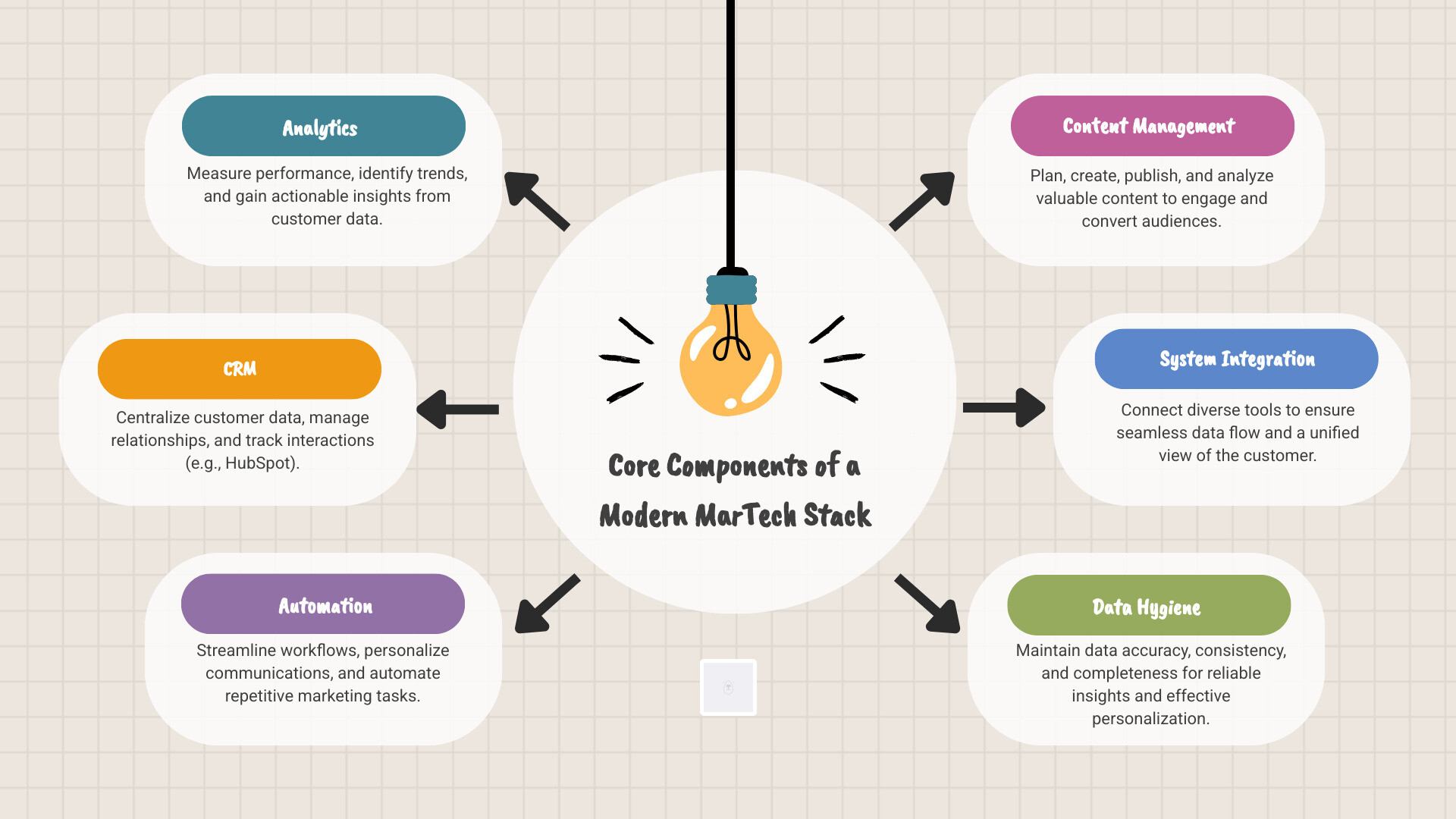
Our journey towards data-driven growth begins with understanding the foundational elements of a robust marketing technology (MarTech) stack. This ecosystem of tools empowers us to manage customer relationships, optimize web presence, streamline B2B strategies, and extract actionable insights from analytics and artificial intelligence. By integrating these components effectively, we can create a seamless, efficient, and highly personalized customer journey.
The foundation: Building a cohesive marketing technology stack
A well-structured marketing technology stack is the backbone of any successful data-driven strategy. It’s not merely a collection of disparate tools, but an integrated ecosystem designed to work in harmony. At its core, this stack should facilitate data flow, ensure data hygiene, and provide a single source of truth for all customer interactions. Unfortunately, a common challenge is underutilization: a statistic reveals that 43% of CRM customers use fewer than half the features available to them, highlighting the need for a more strategic and optimized approach.
Optimizing your HubSpot CRM begins with this foundational understanding. It means moving beyond basic contact management to fully leverage its capabilities for organizing, cleaning, and enriching your customer data. This meticulous groundwork is crucial because without accurate and well-structured data, even the most sophisticated automation or analytics tools will fall short.
Choosing the right marketing technology for your goals
Selecting the right MarTech tools requires a clear understanding of your business objectives, target audience, and existing processes. We start by mapping out the entire customer journey, from initial awareness to loyal advocacy. This helps identify critical touchpoints and the data required at each stage. When evaluating tools, consider their ease of integration with your current systems, scalability to grow with your business, and user-friendliness to ensure high adoption rates across your teams.
HubSpot CRM, for instance, offers a versatile platform that can scale from small startups to large enterprises. Its modular design allows businesses to start with essential CRM functions and expand into marketing automation, sales enablement, and customer service as their needs evolve. The goal is to choose tools that not only address immediate challenges but also support long-term growth and strategic initiatives. Driving user adoption (Q11) is paramount; comprehensive training and clear communication about the benefits of the tools are essential.
Ensuring data quality and system integration
Data silos are the enemy of data-driven growth. When customer information is fragmented across multiple systems, it becomes impossible to gain a holistic view of your customers, personalize interactions, or accurately measure performance. This is where robust data quality practices and seamless system integration become critical.
To organize and clean data within HubSpot CRM (Q2), we recommend starting with a thorough audit of your existing database. Identify and merge duplicate records, standardize data formats (e.g., phone numbers, addresses), and archive or delete irrelevant contacts. Regular data audits are key to maintaining trust in the system, ensuring teams consistently access relevant, accurate information and boosting overall efficiency. Automated data validation rules can prevent new inaccuracies from entering the system.
Custom properties and fields (Q3) are powerful tools to tailor HubSpot CRM to your specific business needs. Beyond standard fields, you can create custom properties to capture unique demographic information, product preferences, communication preferences, or industry-specific data. These custom fields empower your team to collect the accurate information needed for personalized customer interactions. However, it’s crucial to define these properties thoughtfully, ensuring they align with your data collection objectives and reporting needs.
Integrating HubSpot CRM with other platforms (Q7), such as ERP systems, marketing automation tools, or customer service desks, is essential for maintaining a single source of truth (Q5). HubSpot offers over 1,000 integration options, allowing businesses to improve system functionality and streamline operations. This often involves data mapping (Q10) – carefully defining how data fields in one system correspond to fields in another. This ensures that information flows correctly and consistently between platforms, eliminating data discrepancies and manual data entry. Companies using HubSpot CRM integrations report improved data management, real-time data flow, and more efficient marketing automation, leading to higher lead conversion rates. For a deeper dive into the importance of connected systems, explore Why an Integrated Tech Stack is Key to Your B2B Success.

Web design & performance: Your digital first impression
Your website is often the first interaction a potential customer has with your brand. It’s your digital storefront, your information hub, and a critical component of your data collection ecosystem. Therefore, optimizing its design and performance is not just about aesthetics; it’s about creating a seamless user experience that encourages engagement, drives conversions, and feeds valuable data into your CRM.
A high-performing website contributes directly to the quality of data entering your HubSpot CRM. A slow or clunky website can deter visitors, leading to high bounce rates and incomplete form submissions, which means less data for your CRM. Conversely, a fast, intuitive, and visually appealing site captures attention, encourages exploration, and makes it easier for visitors to provide their information.
Optimizing for user engagement and conversions
User engagement and conversion rate optimization (CRO) are two sides of the same coin. An engaging website keeps visitors on your pages longer, exploring content and interacting with your brand. CRO then focuses on converting those engaged visitors into leads or customers. Key elements for optimization include intuitive navigation, compelling content, clear calls-to-action (CTAs), and personalized experiences.
Website speed is a non-negotiable aspect of user experience. A mere 1-second delay in page response can result in a 7% reduction in conversions. We continuously monitor and optimize page load times, image sizes, and server response to ensure a lightning-fast experience for all users. Mobile-first design is also crucial, as a significant portion of web traffic now originates from mobile devices. Ensuring your website is responsive and performs flawlessly on all screen sizes improves accessibility and broadens your reach. Tools like A/B testing, heatmaps, and user session recordings provide invaluable insights into how users interact with your site, allowing us to make data-backed improvements.
Tailoring design for niche audiences
One size rarely fits all in web design, especially in the B2B space. Tailoring your website’s design and content to specific niche audiences and buyer personas significantly improves its effectiveness. This involves understanding their unique pain points, language, and preferred communication styles. For instance, a website targeting healthcare professionals will have a very different look, feel, and content strategy than one aimed at manufacturing executives.
Industry-specific design elements, relevant case studies, and testimonials build trust and credibility with your target audience. By speaking directly to their needs, you increase engagement and the likelihood of capturing high-quality leads for your HubSpot CRM. Building a site requires a deep understanding of the target audience, as seen in this guide to Comprehensive veterinary marketing technology. Such specialized approaches ensure that your digital front door is not just open, but welcoming and relevant to those you aim to serve.

B2B strategy: Automation and alignment for growth
Once your foundation is solid with clean data and an optimized web presence, the next step is to leverage your HubSpot CRM for strategic B2B growth. This involves automating repetitive tasks, nurturing leads efficiently, and ensuring seamless alignment between your sales, marketing, and service teams. These strategies are central to what HubSpot CRM optimization means for businesses (Q1).
A significant benefit of optimizing HubSpot CRM is the reduction of manual effort. Salespeople, for example, spend 17% of their day on data entry, a number that can be drastically reduced through intelligent automation and optimization. This frees up valuable time for strategic activities like building relationships and closing deals.
Automating the customer lifecycle
Automation is a cornerstone of efficient B2B operations and a key aspect of optimizing HubSpot CRM (Q4). By automating workflows, we can ensure timely follow-ups, consistent communication, and efficient lead management without manual intervention. This not only saves time but also improves the customer experience by providing relevant information at the right moment.
Here are some key automation workflows we frequently implement:
- Welcome email series: Automatically sent to new contacts who fill out a form or subscribe to your newsletter.
- Lead scoring and routing: Assigns scores to leads based on their engagement and demographic data, then automatically assigns high-scoring leads to the appropriate sales representative. Predictive lead scoring in HubSpot CRM uses AI to identify high-value leads, helping marketing and sales teams prioritize efforts and improve deal progression.
- Abandoned cart reminders: For e-commerce businesses, these workflows can re-engage prospects who started a purchase but didn’t complete it.
- Post-purchase follow-ups: Automates thank-you emails, requests for reviews, or offers for related products/services.
- Re-engagement campaigns: Identifies inactive contacts and sends targeted content to bring them back into the fold.
Automated workflows in HubSpot CRM reduce manual tasks and ensure timely follow-ups, directly improving sales pipeline efficiency. The goal is to deliver timely, relevant communication without manual effort, allowing your team to focus on high-value interactions.
Unifying sales and marketing with a CRM
One of the most powerful outcomes of HubSpot CRM optimization is the alignment of sales, marketing, and service teams (Q6). Historically, these departments often operated in silos, leading to miscommunications, dropped leads, and inconsistent customer experiences. A unified CRM platform bridges this gap, providing a shared view of the customer and fostering collaboration.
Strategies for alignment include:
- Shared goals: Establish common objectives that span across sales and marketing, focusing on revenue generation and customer satisfaction.
- Service level agreements (SLAs): Define clear expectations for lead qualification, handover processes, and follow-up times between marketing and sales.
- Lead handoff process: Standardize how qualified leads are passed from marketing to sales, ensuring all necessary context and history are transferred.
- Closed-loop reporting: Connect sales outcomes back to marketing efforts, allowing both teams to understand which campaigns are driving revenue and optimize accordingly.
By leveraging HubSpot’s CRM, both teams work from the same playbook and data, ensuring a consistent and coherent customer journey. This shared understanding and streamlined process are fundamental for effective marketing technology and CRM optimization. It means that when a marketing-qualified lead (MQL) becomes a sales-qualified lead (SQL), the sales team has immediate access to their entire interaction history, enabling more personalized and effective outreach.
Segmentation of contacts (Q8) is also crucial here. By creating dynamic lists based on lifecycle stage, demographics, behavior, and engagement, marketing can deliver hyper-personalized content, while sales can prioritize outreach to the most engaged and qualified prospects. This personalization extends to the customer journey, ensuring that every interaction feels custom and relevant.
Analytics & AI: Turning data into actionable insights
Collecting data and automating processes are vital, but their true value is open uped when you can analyze that data to gain actionable insights (Q9). HubSpot’s analytics and custom dashboards provide the tools necessary to monitor performance, identify trends, and make informed decisions that drive continuous improvement. Furthermore, artificial intelligence (AI) is rapidly changing how we interpret and act on this data, offering unprecedented opportunities for personalization and efficiency.
Measuring what matters: From metrics to strategy
Effective measurement goes beyond vanity metrics (like website traffic) to focus on key performance indicators (KPIs) that directly tie back to your business objectives (Q14). For HubSpot CRM optimization, these KPIs might include:
- Lead-to-customer conversion rates: Tracks the efficiency of your sales funnel.
- Customer acquisition cost (CAC): Measures the cost of acquiring a new customer.
- Customer lifetime value (LTV): Estimates the total revenue a customer will generate over their relationship with your business.
- Sales cycle length: Indicates how long it takes to close a deal.
- Marketing ROI: Quantifies the return on investment for your marketing campaigns.
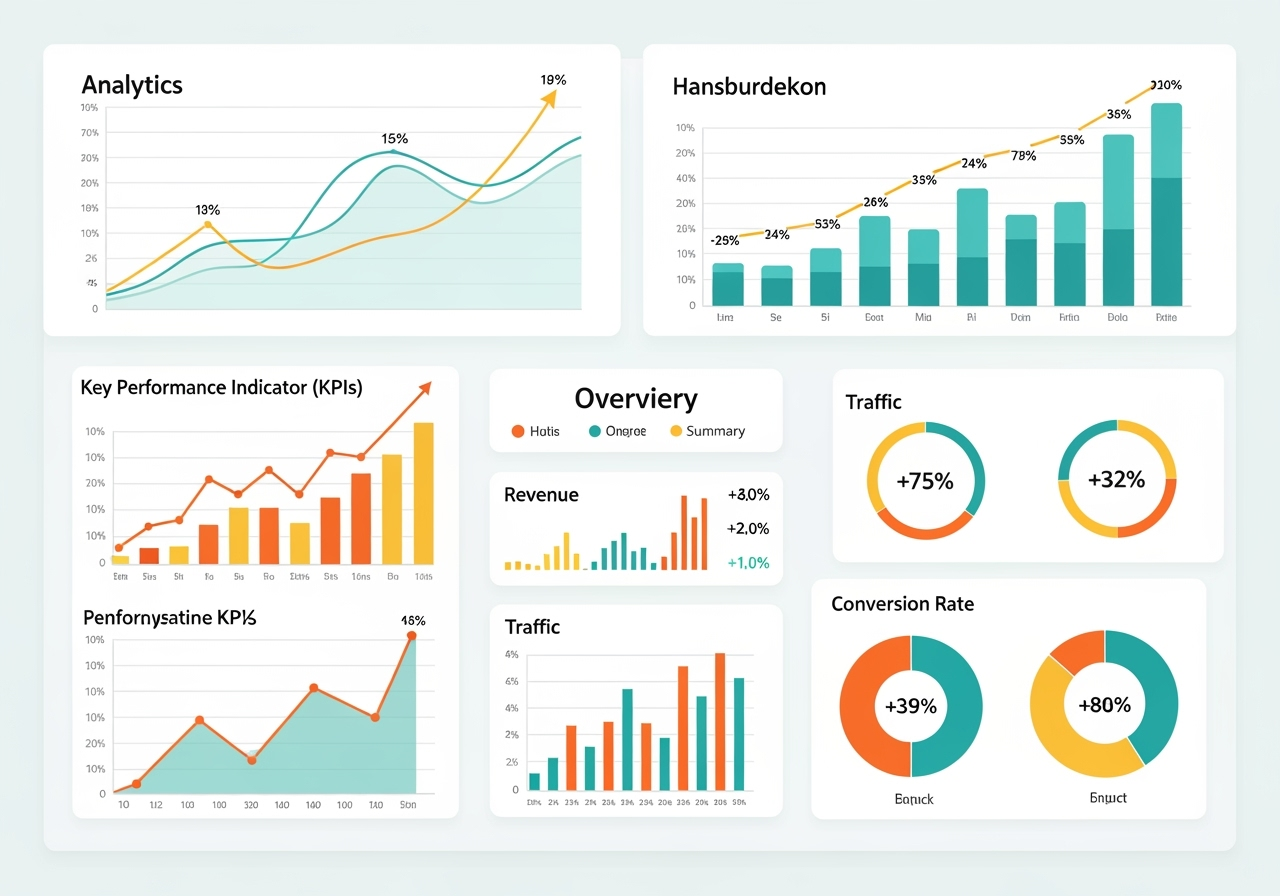
HubSpot’s custom dashboards allow you to visualize these KPIs in real-time, providing a snapshot of your performance at a glance. We use these dashboards to identify bottlenecks in the sales pipeline, pinpoint high-performing campaigns, and track the overall health of our customer relationships. Utilizing HubSpot reports to catch errors and inconsistencies in your data is also crucial, ensuring teams consistently access relevant, accurate information. Setting up automated reports that track data flows and highlight irregularities helps in continuous monitoring and improvement (Q13).
By regularly reviewing these insights, we can pivot our strategies, reallocate resources, and continuously refine our processes to achieve better results. This data-driven approach transforms guesswork into strategic decision-making.
The role of AI in modern marketing technology
Artificial intelligence is no longer a futuristic concept; it’s an integral part of modern marketing technology. In the context of HubSpot CRM optimization, AI plays a transformative role in enhancing personalization, improving lead quality, and automating complex tasks.
Key applications of AI include:
- Predictive lead scoring: AI algorithms analyze vast amounts of data to identify which leads are most likely to convert, allowing sales teams to prioritize their efforts. This ensures resources are focused on high-value opportunities.
- Personalization at scale: AI can help tailor content, email campaigns, and website experiences to individual users based on their behavior, preferences, and demographic data. This creates highly relevant and engaging interactions.
- Content generation and optimization: AI-powered tools can assist in generating blog post ideas, optimizing headlines, and even drafting initial content, speeding up content creation processes.
- Chatbots and virtual assistants: AI-driven chatbots can handle routine customer inquiries, qualify leads, and provide instant support, freeing up human agents for more complex issues.
Many AI Marketing Technology platforms are emerging to help teams work more efficiently and make smarter decisions. Integrating these AI capabilities into your HubSpot CRM allows for a more intelligent, responsive, and efficient approach to customer engagement and growth. It’s about empowering your teams with advanced insights and automation to achieve results that were once unimaginable.
Frequently asked questions about marketing technology
How do I choose the right MarTech tools for my business?
Start by defining your business goals and mapping your customer journey. Audit your current tools to identify gaps. Prioritize solutions that solve your biggest challenges, integrate well with your existing stack, and fit your budget. Always consider user adoption and the availability of training resources. Look for platforms that offer scalability and robust support, like HubSpot, which provides extensive resources through its knowledge base, community, and user groups.
How do I measure the ROI of my MarTech stack?
Measure ROI by tracking metrics tied to your initial goals. This could include increased lead generation, higher conversion rates, improved customer retention, or lower customer acquisition costs. Compare the financial gains and efficiencies against the total cost of the software and implementation. Use custom dashboards and reporting features within your CRM, like HubSpot, to track these KPIs consistently and attribute success to specific MarTech initiatives. Clear objectives and KPIs are crucial for measuring success (Q14).
What is the first step in building a data-driven marketing strategy?
The first step is to ensure you have clean, centralized data. This involves auditing your existing data sources, cleaning up duplicates and inaccuracies, and integrating your key systems (like your CRM and website analytics) to create a single source of truth about your customers. Without a reliable data foundation, any subsequent analysis or automation will be flawed. This addresses foundational steps to organize and clean data (Q2) and ensuring data quality (Q5).
Conclusion: Your path to sustainable growth
Optimizing your HubSpot CRM is not a one-time project; it’s an ongoing journey of continuous improvement. By focusing on a cohesive MarTech stack, prioritizing data quality, enhancing web performance, strategically automating B2B processes, and leveraging analytics and AI, we can transform our customer relationships and drive sustainable growth.
The right combination of strategy, technology, and talent is the key to building winning campaigns. We have explored how to organize and clean data, use custom properties, automate workflows, align sales and marketing, and leverage analytics for actionable insights. We’ve also touched on technical considerations like data mapping and the importance of user adoption and training (Q11).
Common challenges or pitfalls (Q12), such as data silos, underused features, and lack of team alignment, can be avoided by adopting a holistic and proactive approach. Regularly monitoring, maintaining, and continuously improving your HubSpot CRM setup (Q13) ensures it remains a powerful asset. By creating a foundation that is scalable, integrated, and aligned with your business objectives, you empower your teams, delight your customers, and achieve remarkable results.