

7 ways to simplify the financial management for your small business
Sponsored content. This article was supplied by a third party and Business Money has been paid to publish it.

Credit: Unsplash
Running a small business means wearing multiple hats, and the financial management hat often feels like the heaviest one. You’re tracking expenses while chasing invoices, managing payroll while forecasting cash flow, and somehow trying to make sense of it all before tax season hits.
That said, about 42% of small business owners admit they started their companies with limited or zero financial know-how.
The right financial tools can help you manage all this chaos – easily. They turn hours of manual work into minutes of automated processes, giving you back the time to focus on what you actually started your business for: serving customers and growing revenue. Let’s get to it.
1. How can cloud accounting software transform your bookkeeping?
Source: The Business Research Company
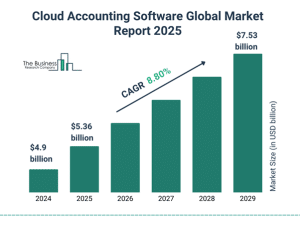
Cloud accounting software eliminates the manual entry nightmares that plague traditional bookkeeping. Modern platforms like QuickBooks Online, Xero, and FreshBooks sync directly with your bank accounts, automatically categorizing transactions and updating your books in real-time.
You gain instant visibility into your financial position from anywhere – no more waiting until month-end to know if you’re profitable. These tools handle everything from invoice creation to expense tracking, turning what used to take days into work that happens automatically in the background.
Most importantly, they give your accountant direct access, eliminating the back-and-forth of spreadsheet emails and ensuring your financial records stay audit-ready year-round.
2. How can employer of record services simplify international hiring?
Source: Employ Borderless
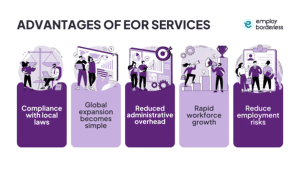
Hiring international workers opens up incredible talent pools, but the administrative burden can feel overwhelming. Employer of Record (EOR) providers like Remote or Rippling act as the legal employer for your international team members, handling everything for you.
They manage payroll in local currencies, ensure compliance with country-specific labor laws, and provide locally compliant benefits packages. You maintain full control over your team’s day-to-day work while the EOR handles everything, from local employment contracts to tax compliance.
This model lets you hire the best talent regardless of location, typically within days rather than months of establishing a foreign entity.
3. Financial analytics dashboards for smarter decisions
| Platform | Key strength | Best for | Starting price |
| Fathom | Visual KPI tracking | Service businesses | $39/month |
| Spotlight Reporting | Multi-company consolidation | Agencies & franchises | $99/month |
| Jirav | Scenario planning | High-growth startups | $350/month |
Financial analytics tools transform raw accounting data into actionable insights. They pull information from your accounting software, then visualize cash flow trends, profitability by product line, and customer lifetime value.
You can model different scenarios – what happens if sales drop 20%? What if you hire three more people? These platforms turn financial planning from guesswork into data-driven strategy, helping you spot problems before they become crises and identify opportunities while they’re still advantageous.
If one of those opportunities includes raising additional funds, choosing the right crowdfunding platform is crucial. Platforms like WhyDonate make it easier for small businesses to collect donations, manage contributions, and maintain financial transparency.
4. Expense management tools that save you money
Source: Veridion
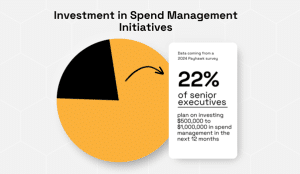
Managing business expenses becomes exponentially harder as your team grows. According to a SAP Concur study, SMBs lose an average of 5% of revenue annually to expense fraud and errors. Modern expense management platforms like Expensify, Divvy, and Ramp solve this through automated receipt capture, real-time spending controls, and integrated corporate cards.
Employees simply photograph receipts, and the software extracts data, matches it to transactions, and routes it for approval. You set spending limits by category or employee, and the system enforces them automatically.
The result: complete visibility into company spending, faster reimbursements for your team, and hours saved on expense report processing every month.
5. What makes invoicing software essential for cash flow?
Source: Deposit Fix
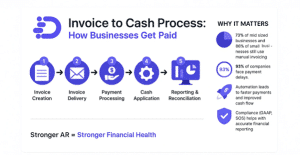
Invoicing software does more than create professional-looking bills. Platforms like Invoice2go, Wave, and Zoho Invoice track payment status, send automatic reminders, and even predict which clients might pay late based on historical patterns.
They integrate payment processing directly into invoices, making it simple for clients to pay with a click. The automation extends to recurring invoices for subscription clients, late payment fees, and multi-currency conversions for international customers.
Key features that drive results:
- Automated payment reminders that reduce collection time by 14 days on average
- Built-in payment processing that increases on-time payments by 30%
- Mobile invoicing that lets you bill clients immediately after service delivery
- Real-time notifications when clients view or pay invoices
6. Payroll platforms that handle compliance automatically
Source: Select Software Reviews
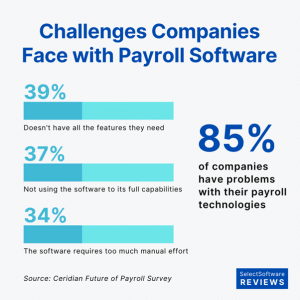
Payroll complexity multiplies quickly – even with just a few employees, you’re managing tax withholdings, benefits deductions, and compliance across multiple jurisdictions. Solutions like Gusto, Paychex Flex, and ADP Run automate these calculations while staying current with changing regulations.
They file your payroll taxes automatically, generate W-2s and 1099s at year-end, and integrate with your accounting software to keep books updated. Beyond basic payroll, these platforms handle paid time off tracking, benefits administration, and even workers’ compensation.
The peace of mind from knowing you’re compliant with federal, state, and local requirements makes the modest monthly fee worthwhile for any growing business.
7. What cash flow forecasting tools prevent financial surprises?
Cash flow forecasting tools anticipate financial problems before they materialize. Platforms like Float, Pulse, and Dryrun connect to your accounting software and use historical patterns to project future cash positions.
They factor in payment terms, seasonal variations, and recurring expenses to show exactly when cash might get tight. You can model different scenarios – delayed customer payments, unexpected expenses, growth investments – and see their impact months in advance.
| Feature | Traditional method | Modern tools |
| Forecast accuracy | 60-70% | 85-95% |
| Time to create forecast | 4-6 hours | 15-30 minutes |
| Scenario modeling | Manual spreadsheet work | Instant what-if analysis |
| Update frequency | Monthly | Real-time |
These tools send alerts when projected cash drops below thresholds, giving you time to arrange financing or adjust spending before problems arise.
Making the transition work
Implementing financial management tools requires more than just signing up for subscriptions. Start with one core system – typically accounting software – and get it running smoothly before adding others. Most platforms offer free trials, so test them with your actual data before committing.
Focus on tools that integrate with each other as data flowing automatically between systems eliminates duplicate entry and reduces errors. Train your team thoroughly on each tool, and document your processes as you go. The investment in proper setup pays dividends through years of smoother operations and clearer financial visibility.