

How automated parking management works and why your property needs it
Sponsored content. This article was supplied by a third party and Business Money has been paid to publish it.
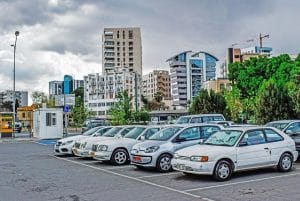 Parking areas at busy properties often fill quickly, causing delays and reduced revenue. Automated parking management integrates license-plate recognition, gateless entry, real-time occupancy tracking, and digital payment tools to replace paper tickets and manual gates. All operational data is stored within one system for consistent reporting and financial review.
Key functions include timed guest passes, configurable refund workflows, mobile entry methods, and portfolio-wide reporting. Property teams can monitor transactions, enforcement, and pricing from a unified dashboard that reduces manual work and data discrepancies. Evaluation criteria should include system architecture reliability, data accessibility, pricing configuration options, occupancy analytics, and enforcement integration to determine which solution best supports operational efficiency and portfolio scalability.
Integrated system architecture and core automation functions
A cloud-based control panel connects cameras, processors, and back-end software to automate access and payment functions. The system reads license plates and verifies them against digital permits or payment records in real time, maintaining performance even during limited connectivity. It connects with property management software and mobile applications through APIs to standardize operations across sites.
These platforms, implemented by parking management companies, unify enforcement, payment, and reporting within one interface. Central administration supports quick configuration updates and remote troubleshooting across multiple properties. All transactions pass through encrypted, tokenized, PCI-compliant gateways for secure processing. Automated payment validation and occupancy tracking reduce manual tasks while minimizing reliance on mechanical equipment, supporting scalable and efficient parking operations.
Dynamic pricing configuration and revenue control
Dynamic pricing systems track occupancy and demand to adjust rates automatically. They use time-based rules that raise or lower hourly fees during busy or slow periods without staff input. This improves revenue and removes the need for manual updates. Managers can view results and change rates instantly across properties through a single dashboard.
Data displays show occupancy, revenue per space, and rate performance over time. Event scheduling tools let managers set temporary pricing before expected surges. These features make it easier to control pricing across a portfolio, balance demand, and measure how each rule affects total yield while maintaining full visibility of payment and occupancy data.
Workflow automation for operational efficiency and cost savings
Centralized automation replaces manual patrols and paper citations with instant digital enforcement. The system matches vehicle plates to permit and violation records and issues notices automatically. Traditional payment booths convert to online and mobile options that support digital wallets and card payments, cutting cash handling and labor. All transactions connect to the same accounting records for quick reconciliation.
A unified dashboard combines data from multiple properties, eliminating redundant vendor tools and lowering integration costs. Managers can set access levels, schedule reports, and adjust enforcement settings remotely. Automated alerts and updates reduce administrative tasks, giving property teams faster insight into activity, revenue, and rule compliance across sites.
Analytics framework and data-driven decision processes
An analytics framework turns system activity into measurable performance data for revenue, occupancy, and dwell time. It gathers information from sensors, transactions, and entry records to generate reports managers can use directly. Automated processing removes manual reconciliation and keeps financial and usage metrics available in real time.
Dashboards compare occupancy and dwell time for each site against portfolio averages, helping identify areas that need improvement. Reports can be exported for finance, leasing, and operations teams to guide staffing, pricing, and maintenance choices. Establishing clear KPIs and linking analytics results to pricing and enforcement settings helps properties make consistent, data-based decisions that support ongoing performance tracking.
Access automation and driver experience optimization
Recognition of licence plates allows entry without tickets or physical barriers, minimizing congestion during high-traffic periods. Digital guest passes issued through email or QR code and payment options such as mobile wallets or pay-by-plate simplify transactions and reduce cash handling. Live occupancy data continuously updates digital signage and mobile applications, showing available spaces in real time.
Each transaction links directly to the vehicle record for precise tracking and secure reconciliation. Real-time occupancy monitoring modifies space indicators and system listings automatically. These integrated functions shorten entry times, lower staffing requirements, and maintain accurate utilization records. Consistent operational data improves overall throughput and supports performance optimization across all locations.
Automated parking management combines access control, payments, enforcement, and reporting in a single connected system. License-plate recognition, gateless entry, and dynamic pricing modules collect accurate data on occupancy and revenue for better financial and operational oversight. Cloud-based dashboards display results from multiple sites, simplifying comparisons and standardizing rules. Tokenized payments and mobile access methods lower hardware costs and improve transaction speed. Property managers gain real-time insight into space use, dwell time, and rate performance. Consolidating all functions into one platform improves efficiency, reduces labor, and increases transparency across locations. These systems provide measurable improvements in accuracy, responsiveness, and scalability for modern parking operations.