

Smart strategies to reduce business losses from water damage
Sponsored content. This article was supplied by a third party and Business Money has been paid to publish it.
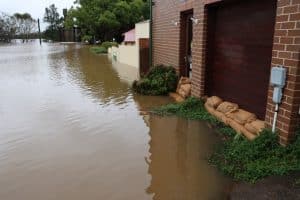
Photo by Wes Warren on Unsplash
Unexpected water can halt operations, ruin inventory, and spike insurance costs. The good news is that most losses are avoidable with a mix of smart design, quick action, and clear roles. Use the tactics below to lower both the frequency and the severity of incidents.
Cost drivers to tackle first
Start with the big-ticket risks that can shut your doors for days. Map critical areas like server rooms, archives, electrical switchgear, and high-value storage so you can protect them first.
Then rank common failure points such as aging pipes, roof penetrations, sprinkler heads, and tenant fit-outs that tap into supply lines.
Group assets by consequence and set response targets for each group. A burst on a top floor above a data room needs automatic shutoff and instant alerting, and a slow sink leak might be covered by routine checks. This focus helps you spend on the risks that matter most.
Smart monitoring and shutoff tech
Sensors and smart valves are small investments that prevent big claims. Flow and point-of-leak detectors in restrooms, kitchens, riser rooms, and mechanical spaces give you early warnings before a puddle becomes a cascade.
Tie alerts to a 24/7 channel so the first person awake can act. A local water damage restoration service should be on call for events your in-house team cannot safely handle. Test the handoff between your internal responders and the vendor so no time is lost during escalation.
A 2024 overview of UK building claims noted that escape of water accounted for 42% of all claims in 2023-2024, underscoring how common internal leaks are compared with other perils.
That share makes a strong case for automated shutoff in restrooms and unstaffed areas. Combine tech with simple habits like closing isolation valves during long weekends.
Rapid response and drying windows
Speed is everything once water appears. Aim to stop the source, remove standing water, and start dehumidification as fast as possible.
Water left in materials invites corrosion, odors, and microbial growth that drive long closures and expensive gut jobs.
A federal guide stresses that wet areas should be dried within 24 to 48 hours to curb mold growth, which is a practical rule of thumb for any facility.
The same guide highlights fixing the cause of dampness or leaks to prevent recurrence. Build your playbook around these time windows so teams know exactly what to do.
Flood and storm risk planning
Not all water starts inside your walls, so widen the lens to your site and neighborhood. If your property sits in a basin or near aging drainage, heavy rain can back up through doors, docks, or floor drains.
Walk water paths during a storm and mark the low points that need barriers or sump capacity.
A global water risk report estimated that floods displaced tens of millions of people and caused losses exceeding $500 billion in recent years, which shows how quickly external water can overwhelm defenses.
Use that context to justify floor-level changes like flood doors, deployable barriers, or raised equipment pads. Keep a vendor list for pumps and temporary power if municipal systems fail.
Train people and tighten procedures
People stop losses when they know what to do and have the gear nearby. Post simple steps by each shutoff valve and include photos so anyone can act under stress. Run short drills where teams practice isolating zones and starting extraction equipment.
Create a one-page call tree with names, roles, and after-hours numbers. Stock wet-vacs, squeegees, fans, and desiccant or refrigerant dehumidifiers where they are needed most. Use this quick checklist once each quarter:
- Inspect roof drains, scuppers, and gutters for debris
- Test leak sensors and confirm alerts reach the right on-call person
- Exercise the main and sectional shutoff valves to prevent seizure
- Verify floor penetrations are sealed around pipes and conduits
- Review tenant build-outs for any new connections to supply lines
Insurance, documentation, and recovery partners

Image by Hans from Pixabay
Insurance recovers dollars, but documentation speeds recovery. Photograph the scene from wide to close, capture meter readings, and save water samples if contamination is suspected.
Log the timeline of detection, shutdown, extraction, and drying so adjusters can see your diligence.
Align your policy language to real exposure. Confirm coverage for business interruption, code upgrades, and mold remediation limits.
An EPA resource explains that addressing water at the source is as important as drying, so keep records that show corrective fixes, not just cleanup.
When you do need outside help, pre-qualify vendors for extraction, structural drying, and rebuild.
One article on water losses highlights that early leak detection and a rapid, coordinated response reduce severity, which is exactly what a pre-vetted partner brings. Share your site maps and valve locations with them in advance so the first visit is fast and effective.
Plan for re-occupancy criteria before an incident. Define water targets for materials, acceptable air readings, and any hygienist clearances for sensitive spaces.
A recent analysis of water claims in the UK reinforced how common internal leaks are, so treat minor incidents as training reps that keep your team sharp.
Water is inevitable, but large losses are not. With smart monitoring, fast drying, trained people, and clear roles, most events become short interruptions instead of multi-week shutdowns. Keep your plan current, practice it, and update equipment as your building and risks change.