

What are your options for tailored auto insurance coverage?
Sponsored content. This article was supplied by a third party and Business Money has been paid to publish it.
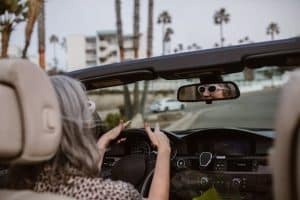
Photo by RDNE Stock project
At airport car parks, drivers line up with passports, booking emails, and licences that look unfamiliar to local staff. The paperwork check is quick, but one missing detail can turn a simple pickup into a long wait. For anyone arriving on business, that delay is not just annoying, it can also add cost and risk.
California allows visitors and new arrivals to get insured, but the route depends on what you drive, how long you stay, and what documents you can show. If you are asking how to get a car insurance with international drivers license, it helps to start with the insurer’s view of risk. Once you understand what they verify and why, it is easier to choose cover that protects people, budgets, and schedules without buying cover you will not use.
What California law requires, and what insurers check
California requires liability insurance when you drive, even if you stay only a few days. Liability pays for injuries, medical bills, and property damage you cause to people and vehicles. It does not pay to repair your car after a crash, unless you add collision cover.
Insurers vary in how they record foreign licences, so you should expect extra verification steps. Some accept a home country licence number, while others request an International Driving Permit translation. Many also ask for passport details and a current US contact address for policy notices.
Rental desks may offer coverage at the counter, and the wording can differ between companies. Credit card benefits can help, but exclusions for type or country of issue are common. Confirm limits and eligible drivers in writing before travel, because an explanation can change later.
The California DMV explains visitor rules, including when a foreign licence can be used legally. That guidance helps when police ask for documents during a crash report or roadside stop.
Coverage options that change both price and protection
Most policies start with liability limits, then add protections based on risk and cash comfort. Higher liability limits can cost less than expected, yet they protect earnings and business assets. The right limit depends on exposure, not the resale value of the vehicle you drive.
Collision and comprehensive cover the vehicle you drive, and they cover most major repair bills. Collision responds to impact damage, such as another car, a wall, or a garage post. Comprehensive responds to non crash losses, including theft, vandalism, glass damage, fire, or weather events.
Medical payments cover can help with immediate medical bills, regardless of who caused the crash. Uninsured and underinsured motorist cover helps when the other driver has no insurance or low limits. In California, uninsured claims happen often enough that this part deserves a review each year.
Deductibles shift premium against later cash cost after a claim, and the trade off matters. A higher deductible reduces the premium, but it raises the bill you pay before cover applies. For a business, that bill may land during the same month as other travel expenses.
Options for visitors, new residents, and business travel
A visitor renting for a week faces different risks than a new hire driving daily. For short trips, people use rental coverage and card benefits, but they must verify limits. Some card benefits require you to decline the rental waiver in writing before cover activates.
For longer stays, a personal auto policy can work, even without a California driver licence. The policy is priced around the driver, the vehicle, and the local garaging address overnight. Garaging matters because theft rates and repair costs vary widely by city, postcode, and season.
If you do not own a car, a non owner policy can provide liability cover for rentals. It usually excludes damage to the car you borrow, and rental firms may require waivers. Still, it can help consultants and visiting staff who drive often without owning vehicles regularly.
Businesses often need a wider view when employees drive rentals or personal cars on work time. Hired and non owned auto cover can sit inside a commercial policy and fill gaps. It also supports reimbursement rules when incidents happen outside the office, away from supervisors, and after hours.
Documents and details that reduce delays
Insurance decisions move faster when you bring papers that connect identity, licence status, and address details. Start with passport and visa pages, then add proof of address, such as a lease. If you live in corporate housing, ask for a letter plus a utility bill showing your name.
Driving history is the next hurdle, and it affects eligibility and price in many cases. Some insurers accept a home country driving record, but it may need translation into English. A letter from your prior insurer showing claim free years can also support better pricing.
Expect questions about usage, because business use and delivery work can change risk classification quickly. Prepare a short fact sheet covering mileage, parking, and who will drive during the stay. For shared vehicles, list each driver and their licence details in advance before quotes begin.
A short checklist can prevent back and forth during underwriting, payment setup, and policy delivery. Keep these items together in one folder, in digital and paper form, before travel begins. Each line below is a common document that often speeds up approval and avoids rework.
First, keep passport and visa copies, plus a reachable US contact for notices, billing, and claim updates. Second, keep licence details, plus an International Driving Permit translation if you use one for clarity. Third, keep proof of address, plus a brief claims history letter showing prior cover dates and losses.
The California Department of Insurance publishes plain language guides on auto cover and claim basics. That reference helps you compare wording without relying on sales scripts or rushed desk explanations.
Cost control without cutting the wrong cover
For Business Money readers, cost is not just premium, it is cost of risk. Deductibles, downtime, and admin time after a crash can dwarf the monthly payment very quickly. A slightly higher premium can be cheaper sometimes if it prevents a large uncovered loss.
Start by matching cover to how the vehicle is used during the trip, not an ideal plan. Airport runs, client visits, and late night driving bring different exposure than a familiar commute. Parking on streets or in hotel garages overnight also changes theft and damage risk rates.
Then set deductibles that staff can absorb without derailing budgets, approvals, and reimbursement planned timelines. If teams travel often, standardise deductibles so reimbursement stays consistent across departments and projects each month. Store claim steps with travel documents, so staff can act calmly after an incident occurs.
Also watch policy conditions that can hit foreign licence drivers, such as named driver rules. Excluded drivers, use restrictions, and reporting time limits can change whether a claim is paid. The best fit matches licence status, driving pattern, and your tolerance for out of pocket loss.
Making the right trade-offs
Auto insurance works best when you treat it like a travel cost you plan, not improvise. Check California liability rules, then pick limits and deductibles that match how and where you drive. Keep licence details, address proof, and prior cover history together so quotes and claims move faster. If you rely on rentals or employee travel, confirm who is covered, and what gaps remain.