

Useful tips for maintaining sanitary partition solutions in hospitals
Sponsored content. This article was supplied by a third party and Business Money has been paid to publish it.

Photo by gorden murah surabaya
In hospitals, maintaining high standards of cleanliness and hygiene is important to prevent the spread of infections and ensure patient safety. One of the key components in ensuring a hygienic environment is the use of partition solutions, such as privacy curtains, to create individual spaces for patients while providing the necessary privacy. These partitions, however, require regular maintenance to remain effective and sanitary, as they are exposed to a variety of contaminants in high-traffic areas.
In this article, we will explore useful tips for maintaining sanitary partition solutions in hospitals. Whether it’s privacy curtain solutions, maintenance routines, or the selection of appropriate materials, these tips will help hospitals uphold the highest standards of cleanliness and comfort for patients and staff alike.
Regular inspection and cleaning schedules
The first and most important aspect of maintaining sanitary partitions in hospitals is to establish a consistent inspection and cleaning schedule. Privacy curtains, in particular, can harbor bacteria, viruses, and other pathogens in high-contact areas like patient rooms and emergency departments. A thorough cleaning routine should be followed, with inspections carried out regularly to check for damage, mold, or stains.
In many hospitals, cleaning protocols require privacy curtains to be washed or replaced every few weeks, depending on the hospital’s traffic and infection control standards. Make sure the cleaning schedule is adhered to and ensure that the cleaning methods used are compatible with the materials of the partition solutions, such as using appropriate disinfectants that won’t damage the fabric.
Use of durable, antimicrobial materials
Choosing the right materials for hospital partitions is crucial to ensuring long-term hygiene and functionality. For example, healthcare privacy curtain solutions should be made from materials that are resistant to bacteria, mildew, and other contaminants. Many modern privacy curtains are made from antimicrobial fabrics that inhibit the growth of harmful microbes, making them a safer choice for high-risk environments like hospitals.
These materials should be durable and easy to clean. Consider investing in fabrics that are resistant to stains and moisture and quick-drying to prevent any potential mold growth. High-quality, antimicrobial partitions may cost more upfront, but the benefits they provide in terms of infection control and longevity make them a worthwhile investment.
Train staff on proper handling and hygiene practices
To maintain the effectiveness of privacy partitions, it’s important that hospital staff understand how to properly handle and maintain them. Staff should be trained to avoid unnecessary contamination when adjusting curtains or partitions. For example, staff should ensure that privacy curtains are not dragged across floors or touched with unwashed hands, as this can transfer germs onto the material.
Educating staff on the importance of hygiene when interacting with partition solutions will ensure that these areas remain clean and sterile. Staff should be trained on how to properly handle and replace curtains when needed to prevent contamination during the process. By fostering a culture of cleanliness, hospitals can significantly reduce the risk of infection.
Regular replacement of worn or damaged partitions
Even the most durable partitions can become worn. Curtains and other partition solutions that are torn, stained, or damaged should be replaced immediately to prevent exposure to harmful pathogens. Regular inspections will help identify when a partition needs to be replaced, which helps maintain the highest standards of sanitation.
If curtains become frayed or torn, they may no longer provide adequate privacy or function as intended. In such cases, prompt replacement is necessary to maintain patient comfort and privacy. Hospitals should keep a stock of replacement curtains on hand to ensure they can quickly address any damage without disruption to patient care.
Ensure proper installation and maintenance
Proper installation of partition solutions is equally important to their long-term effectiveness and sanitation. Curtains, screens, and other partitions should be installed securely and in a way that allows for easy cleaning. Improperly installed partitions may become difficult to clean, leading to the accumulation of dust, dirt, and bacteria.
Regular maintenance should be performed on the hardware and tracks that hold privacy curtains. Tracks and hooks that are rusted, bent, or malfunctioning can make it difficult to maintain privacy or adjust the curtains. Periodic checks and maintenance of these components are crucial to keeping the partition solutions in good working condition and ensuring that they continue to serve their intended purpose.
Implementing infection control protocols
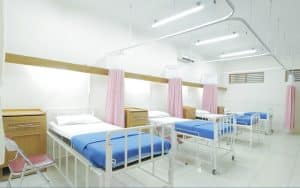
Photo by Adhy Savala on Unsplash
Hospitals should have clear infection control protocols in place that outline how to properly maintain and sanitize partition solutions. These protocols should be regularly updated to reflect the latest best practices and guidelines from health authorities like the Centers for Disease Control and Prevention (CDC).
Infection control protocols may include guidelines for handling waste materials, such as used curtains, and proper disposal methods. Hospitals should adhere to these protocols rigorously to minimize the spread of infections in areas with vulnerable patients, such as intensive care units (ICUs) or isolation rooms.
Maintaining sanitary partition solutions in hospitals is important for infection control, patient privacy, and hygiene. By regularly inspecting and cleaning partitions, using durable and antimicrobial materials, and training staff on proper handling, hospitals can significantly improve their sanitation efforts. Following infection control protocols, addressing environmental factors, and partnering with professional cleaning services can help keep partition solutions in top condition.