

How growing companies rethink space through business storage solutions
Sponsored content. This article was supplied by a third party and Business Money has been paid to publish it.

Photo by Julia M Cameron
Growing companies often hit an invisible wall. Sales climb, headcount rises, and suddenly the office or warehouse feels two sizes too small. The pressure shows up in crowded aisles, delayed orders, and stressed teams.
Instead of rushing into a long lease, many leaders step back and reframe the problem. Space is a lever for speed, resilience, and cash flow. Business storage turns that lever with precision.
Why space becomes a growth constraint
Growth rarely spreads out evenly across a floor plan. One month it is bulky promo stock, the next it is seasonal returns. Peaks stack up, and corridors become overflow zones that slow work.
Constraints cause missed sales and overtime. When teams navigate around pallets, picking accuracy dips, and tempers run high. A smart buffer prevents small bottlenecks from becoming systemic.
Business storage gives you that buffer. It shifts the most variable items out of prime space, so core operations stay uncluttered. The result is faster movement, clearer workflows, and fewer firefights.
The Epping advantage for growing teams
Location still decides whether operations run smoothly or stall. Epping offers direct links to arterial roads and key northern precincts, which makes daily runs efficient.
For near-term expansion, many teams look to business storage in Epping as a flexible way to add capacity without moving offices. That choice keeps travel times predictable and delivery windows tight.
The area supports a mix of suppliers and light industry. That proximity tightens lead times and lowers transport risk. When growth spikes, you can scale storage nearby instead of chasing space across town.
Flex capacity beats fixed overheads
Fixed space locks in cost whether you use it or not. Flexible storage lets you match capacity to the season, campaign, or project. You pay for the space you need and stand it down when the spike passes.
Market conditions favor this approach. A property advisory noted that key industrial precincts kept a severe supply deficit in 2024, with limited warehouse availability and tight vacancy. In this environment, a modular storage strategy reduces exposure while keeping options open, as JLL reported.
Flex capacity speeds decisions. Instead of waiting months for fit-outs, managers can create room in days. That agility supports testing new lines, entering new suburbs, or piloting a different delivery model.
What Epping’s industrial momentum signals
Where an area invests, businesses gain. Epping has seen large-scale industrial planning that points to long-term logistics growth. That momentum matters for companies that need reliable nearby capacity.
Industry coverage highlighted a permit-ready estate sized for major warehousing in Epping, indicating confidence in the corridor’s freight future. The takeaway is straightforward: growth-grade infrastructure tends to attract better services, talent, and partners, as The Urban Developer observed.
For operators, this backdrop lowers uncertainty. When you add storage in a precinct with stable logistics investment, you reduce the odds of nasty surprises like sudden access limits or escalating delays.
Safeguarding stock, files, and equipment
Not all space is equal. Prime floor area should host work that creates value today. Storage is ideal for the vital-but-inactive items that still need care and control.
Use storage to segment risk and improve handling. Keep hazardous or fragile items away from busy lanes. Set simple rules that tag what goes off-site and what must stay close to hand.
- Inventory with low turns but high value.
- Seasonal or promotional displays.
- Archival files and compliance records.
- Spare parts, fixtures, and event gear.
- Bulk packaging, racking, and tools.
With the right checklist, teams know exactly what to stage, ship, or store. That clarity turns storage into a routine, not a scramble.
Planning for the next stage of growth
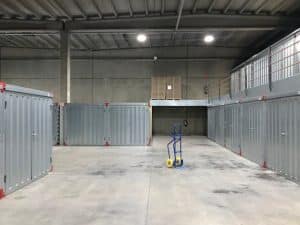
Photo by David Slaager
Treat storage like part of your capacity model. Build a 3 to 6-month view that blends sales plans, inbound calendars, and project timelines. Call out the weeks most likely to spike, then reserve space ahead of time.
Add simple metrics to track performance. Measure pick times before and after offloading slow movers. Watch shrinkage, damage, and rework. When numbers improve, lock in the new standard.
Loop finance into the plan. Storage costs should rise when revenue peaks and ease when demand fades. That alignment protects margin while keeping service levels steady.
Space is a strategic tool. When teams use storage to smooth the messy parts of growth, work moves faster, and people think more clearly.
Start with location, variability, and risk. Then design a storage rhythm that matches how your business really operates. With that in place, growth feels less like a squeeze and more like a system you can steer.