

Overview of the payment system in Denmark
Sponsored content. This article was supplied by a third party and Business Money has been paid to publish it.
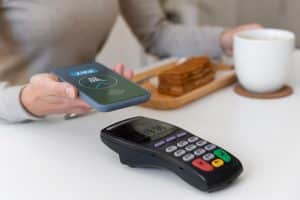
Credit: Freepik
Denmark is often mentioned as one of Europe’s most advanced payment markets, and that reputation is well earned. Most everyday payments are digital and happen without much thought. Cash is still legal and available, but many people simply do not carry it anymore.
Cards, mobile apps, and direct bank transfers cover nearly all daily needs. Shops, public offices, and individuals use the same tools. Payment systems in Denmark are not treated as technology. They are part of normal life. This system grew over time through steady cooperation between banks, regulators, and users who value clear rules, reliability, and speed.
Key components of the Danish payment system
Instead of many overlapping payment systems in Denmark, the country relies on a small set of well-established tools. Each one serves a specific purpose and is familiar to most people.
Dankort (The national debit card)
Dankort sits at the centre of card payments in Denmark. This Denmark payment product has been used for many years and remains the most common way to pay in stores and online. Almost every adult has one, and acceptance across the country is close to universal. Many cards are combined with Visa or Mastercard, which allows the same card to work abroad.
Trust in Dankort is high. Merchants value it because fees are relatively low, and customers see it as reliable and familiar. Payments are quick and uncomplicated. Whether someone is buying groceries, paying for public transport, or ordering online, Dankort is often the default choice. Its long history has shaped payment habits and reduced the role of cash in everyday life.
MobilePay (The mobile wallet)
MobilePay, Denmark payment product, has changed how people send money to each other. Created by Danske Bank, it started as a tool for small personal transfers and quickly became part of daily life. Today it is used in shops, cafes, online stores, and even for public collections.
More than three-quarters of the population uses MobilePay. The reason is ease. A phone number is enough. Payments happen in seconds. There is no need to share bank details or carry cash. Small businesses often prefer it, and many people expect it to be available. It feels natural rather than new.
Instant transfers (Straksclearing)
Straksclearing allows near instant transfers between Danish bank accounts, day and night. Transfers can reach up to DKK 500,000, which makes the system useful beyond personal payments. Salaries, business transactions, and public sector payments often rely on it.
The payment systems in Denmark reduce waiting times and uncertainty. Money arrives when expected, even on weekends or holidays. This supports trust between parties and helps businesses manage cash flow. For many users, it has replaced older transfer methods that took one or two working days.
Card payments
Card payments in Denmark are mostly digital and contactless. Tapping a card is common, and many people no longer think about it. Chip cards remain in use, but contactless payments dominate for smaller amounts.
An important feature is offline functionality. Even if Denmark payment methods go down, payments can still be processed and settled later. This adds resilience and keeps shops running during technical issues. The central bank has highlighted this as a strength of the national setup.
Other digital methods
International wallets such as Apple Pay and Google Pay are present and used, especially by younger consumers. They often sit on top of existing cards rather than replacing them. PayPal is also used, mainly for cross-border online shopping.
Open banking solutions are slowly growing. They allow direct account payments without cards, though adoption remains gradual. Local solutions still dominate because people trust what they know and see every day.
Key components at a glance:
- Dankort as the primary national debit card
- MobilePay for person-to-person and in-store payments
- Straksclearing for instant bank transfers
- Digital card payments with offline capability
- Selected international wallets and online platforms
Each part supports the others. There is little overlap and little confusion. The Danish payment system succeeds because it stays focused. It offers a few strong tools that people understand and trust. New options appear, but they do not disrupt daily use. This keeps payments simple, even as technology changes.
Key characteristics
Payment systems in Denmark reflect how people live and work. It is shaped by habits, expectations, and a high level of trust in institutions. The system does not aim to impress. It aims to function well, every day, for everyone.
Highly digitalized
Most payments in Denmark are cashless. Mobile and card payments dominate both small and large transactions. Many shops no longer handle cash at all. This shift happened gradually, which helped people adjust without pressure.
Digital payments fit daily routines. Phones and cards are always close. Public transport, parking, and services rely on them. This reduces friction and speeds up daily life. Cash has become optional rather than necessary.
Consumer preference
Danish consumers expect payments to be quick and secure. Long checkout times or complicated steps are seen as problems. People want clarity. They want to know when money leaves their account and when it arrives.
Trust plays a big role. Users trust banks, apps, and payment rules. This trust allows wide adoption of new features without fear. When a new option proves reliable, people use it. When it does not, they ignore it.
Resilient infrastructure
The system is designed to keep working under pressure. Offline card payments allow shops to operate during outages. Backup systems support banks and clearing houses. This focus on continuity often goes unnoticed, which is a sign that it works. Resilience also comes from simplicity. Fewer systems mean fewer points of failure. Clear roles reduce confusion during incidents. This approach supports both daily stability and long-term confidence.
The payment systems in Denmark are not built around trends or novelty. It is built around everyday use. Cards, mobile apps, and instant transfers form a clear structure that people trust. Digital payments dominate, but they feel ordinary rather than forced. This balance explains why the Denmark payment methods work so well and why it continues to adapt without losing its core strengths.