

What you need to know when your pet insurance claim is denied
Sponsored content. This article was supplied by a third party and Business Money has been paid to publish it.
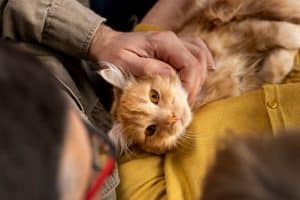
Credit: Freepik
Most policyholders assume a denied claim means the end of the road, but that is one of the most costly mistakes you can make when dealing with pet insurance disputes.
Also, most do not realize that these policies operate under a contractual frame that is very different from human health insurance. Without understanding how pet insurers evaluate veterinary records and timelines, it becomes a hassle to challenge a denial effectively.
For this, a lot of valid claims are abandoned after the first rejection.
So keep reading, we’ll guide through everything you need to know and how to act fast and promptly. Let’s dive in.
Why pet insurance claims get denied more often than you expect
Pet insurance claims go through a lens designed to limit exposure. This does not mean every denial is improper, but the system is not built to help you navigate gray areas:
- Veterinary notes are often written for clinical accuracy, where a single reference to a symptom, even if unrelated to the current condition, can be retroactively classified as evidence of a pre-existing condition.
- Waiting and renewal periods are enforced even when symptoms appear after coverage begins, so insurers may argue that the underlying condition existed earlier based on generalized assumptions.
- Denials tied to policy definitions that are intentionally narrow: using terms such as “chronic,” “hereditary,” or “congenital” that are often defined internally, and really differing from veterinary usage.
Many denials are truly about how coverage is framed.
How lawyers evaluate a rejected pet insurance claim
Every word in the denial letter matters, especially the specific clause cited as justification. This allows insurance claim lawyers to determine if the coverage company followed its own contractual obligations:
- Reconstructing the timeline: aligning veterinary records, policy effective dates, and claim submission details to identify inconsistencies in the insurer’s reasoning.
- Review of medical causation: the question becomes whether the company managing the policy had a reasonable basis for rejecting the opinion of the treating provider.
- Disclosure compliance: if critical terms were inconsistently presented, that sure undermines the insurer’s position.
The exact elements these attorneys analyze:
- Exact policy language cited in the denial.
- Consistency between medical records and insurer conclusions.
- Timing of symptoms versus coverage activation.
- Adequacy of disclosure for exclusions and limitations.
- Whether claims handling met state consumer standards.
This transforms a denial from a final answer into a negotiable position. The winning position starts looking shiny from here.
When insurance claim lawyers identify improper claims handling
How a claim was handled often matters as much as what the policy says:
- Generic denial explanations with little or no reference to the animal’s specific medical history or the timing of veterinary treatment.
- Superficial application of policy terms where exclusions are cited but never connected to actual facts in the claim
- No timeline clarification when the policy allows further documentation before a final decision.
- Professional veterinary opinions reduced to a single sentence or ignored entirely, without explaining why they were deemed insufficient.
- Unexplained delays in the review process: that suggest administrative backlog rather than an active evaluation of the claim
- Inconsistent interpretation of the same policy language when similar conditions are treated differently across claims.
- Reliance on assumptions instead of evidence by generalized risk profiles or preconceptions rather than the records submitted for that specific insured animal.
The dispute shifts away from whether coverage exists in theory and toward whether the insurer complied with its own procedures and standards, a distinction insurance claim lawyers treat as central.
The role of insurance claim lawyers in appeals and disputes
From a legal perspective, they address the insurer’s reasoning line by line, focusing on how conclusions were truly reached. In appeals and disputes, their role goes for:
- Structured appeal submissions that respond directly to each reason cited in the denial.
- Reframing the issue as a compliance and interpretation problem rather than a request for sympathy.
- Focused medical clarifications with veterinarians, ensuring opinions address the exact points the insurer relied on.
- Challenging definitions applied beyond their intended scope when policy language is stretched to fit the denial after the fact.
- Creating a documented record of how the coverage company reached its decision.
- Regulatory or formal complaints using oversight mechanisms to address procedural failures.
- Negotiating resolutions based on documented inconsistencies and gaps between the policy and the records.
Through this process, insurance claim attorneys rebalance a system that initially favors insurers to documented accountability and fair claims handling.
Understanding denials changes the outcome
A denied claim is only a position taken by the coverage company based on how it interpreted records. As we show, many denials are actually shaped by how those facts are selectively applied within the insurer’s review process.
If your pet insurance claim was denied, the most important step is not accepting the decision without review. Having the policy examined by experienced insurance claim lawyers can actually clarify if the denial can be challenged.
Frequently asked questions (FAQs)
- Why do pet insurance companies deny claims so frequently?
Because denials often rely on narrow policy definitions, medical record interpretation, and strict timing rules that favor the insurer unless challenged.
- Can a pre-existing condition determination be disputed?
Yes, especially when the insurer relies on vague or unrelated medical notes rather than clear diagnostic evidence.
- Do insurance claim lawyers only help with lawsuits?
No, most work involves appeals, negotiation, and regulatory complaints rather than litigation.
- Is veterinary opinion important in an appeal?
Absolutely, treating veterinarians provide critical context that internal insurer reviewers may overlook or misinterpret.
- How long should a pet insurance claim review take?
While timelines vary, unreasonable delays without explanation may indicate improper claims handling.