

Fortifying your business: Essential services for risk management and compliance
Sponsored content. This article was supplied by a third party and Business Money has been paid to publish it.
Core business services for compliance and operational integrity
To truly fortify a business against the myriad of risks it faces, a strategic approach to business services is essential. These services are not merely optional add-ons; they are integral components of a robust operational framework, particularly concerning compliance and integrity.

The landscape of modern business is complex, with an intricate web of legal, human resources, technological, and financial demands. Navigating this environment effectively requires specialized expertise, often best sourced through dedicated business service providers. Their role is to provide critical support that enables companies to focus on their core competencies while ensuring regulatory compliance and best practices.
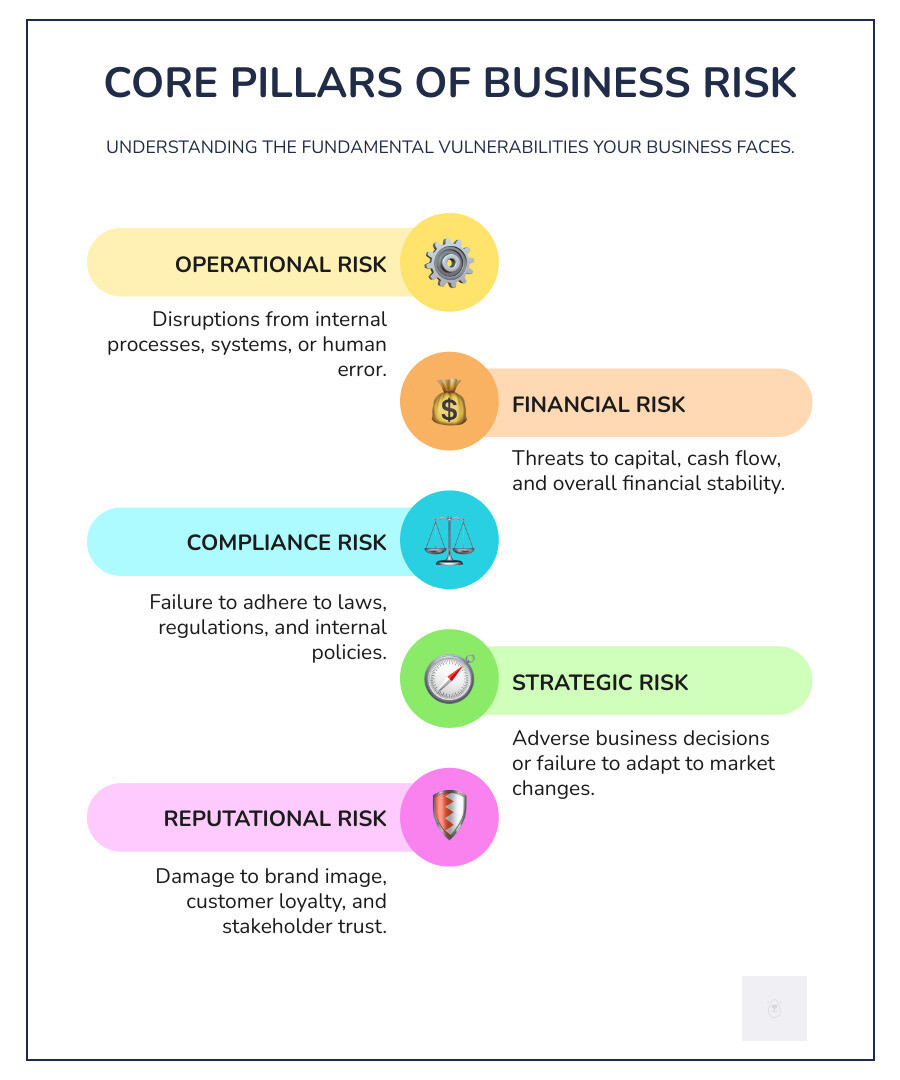
Navigating the legal and regulatory landscape
The legal and regulatory environment for businesses is constantly evolving, presenting both challenges and opportunities. Engaging with specialized legal business services is paramount for safeguarding a company’s interests and ensuring its lawful operation. These services extend far beyond simple contract review; they encompass a broad range of activities designed to mitigate legal risks and ensure compliance with the complex mix of laws and regulations.
Legal services are critical for various aspects of business operations. Corporate law specialists assist with the formation of business entities, governance structures, and shareholder agreements, laying a solid legal foundation. Contract management services ensure that all agreements, from supplier contracts to customer terms of service, are legally sound, enforceable, and protect the company’s interests. This proactive approach helps prevent disputes and clarifies obligations, fostering smoother business relationships.
Beyond contracts, businesses must steer a maze of regulatory compliance requirements. This includes industry-specific regulations, environmental laws, consumer protection statutes, and data privacy mandates such as GDPR and CCPA. Legal service providers offer invaluable guidance in interpreting these regulations, developing internal policies, and implementing compliance programs. Their expertise ensures that a company’s operations, products, and services meet all necessary legal standards, avoiding costly penalties, legal actions, and reputational damage.
Intellectual property (IP) protection is another cornerstone of legal business services. For many companies, their intellectual property—patents, trademarks, copyrights, and trade secrets—is among their most valuable assets. Legal experts help businesses identify, register, and enforce their IP rights, protecting innovations and brand identity from infringement. This not only secures a competitive advantage but also improves the company’s valuation.
A notable example of evolving legal requirements is the Corporate Transparency Act (CTA) in the United States. This act requires many companies to disclose information about their beneficial owners to the Financial Crimes Enforcement Network (FinCEN). Understanding who is considered a beneficial owner, what information must be reported, and the submission deadlines can be complex. Legal business services are instrumental in helping companies interpret these new requirements, gather the necessary data, and ensure timely and accurate reporting to avoid legal repercussions. This proactive engagement with legal experts underscores how business services directly contribute to a company’s operational integrity and legal standing.

Building a resilient workforce with HR and training services
A company’s greatest asset is its people, and managing this asset effectively requires robust Human Resources (HR) and training services. These services are vital not only for fostering a positive, productive work environment but also for ensuring compliance with a wide range of labor laws and regulations.
HR compliance services are the backbone of fair and legal employment practices. They ensure that a company’s hiring, onboarding, compensation, benefits, performance management, and termination processes adhere to federal, state, and local labor laws. This includes navigating complex regulations related to equal employment opportunity, wage and hour laws, FMLA, ADA, and many others. HR service providers help develop and implement compliant policies, handbooks, and procedures, significantly reducing the risk of employee grievances, lawsuits, and regulatory fines. They also offer guidance on sensitive issues like workplace investigations and disciplinary actions, ensuring that all actions are handled consistently and legally.
Employee training services are equally crucial. Beyond skill development, compliance training is a non-negotiable aspect of modern business. Training programs on topics such as anti-harassment, anti-discrimination, ethics, and data privacy are essential for fostering a respectful, lawful workplace culture. These trainings not only educate employees on expected conduct but also demonstrate a company’s commitment to compliance, which can be a mitigating factor in legal disputes. For instance, ensuring your team is adequately prepared to handle difficult situations, including those that might escalate to violence, is paramount, especially with new regulations like California’s SB 553. Providing comprehensive SB 553 compliance training can equip employees to recognize, de-escalate, and report potential threats, creating a safer environment for everyone.
Staffing services, whether for temporary roles, direct hires, or executive search, streamline the recruitment process. They provide access to a broader talent pool, conduct initial screenings, and manage the complexities of onboarding, allowing companies to quickly scale their workforce with qualified individuals without diverting internal resources. This flexibility is particularly valuable in dynamic market conditions.
Effective record keeping is an often-overlooked but critical HR function. Accurate and up-to-date records of employee data, training completion, performance reviews, and disciplinary actions are essential for legal defense, audits, and informed decision-making. HR business services implement robust record-keeping systems that ensure data integrity and accessibility, aligning with legal requirements for data retention and privacy.
Here are some key areas for employee compliance training that businesses should prioritize:
- Anti-harassment and anti-discrimination training: Educating employees on respectful workplace conduct and legal prohibitions against harassment and discrimination.
- Code of conduct and ethics training: Reinforcing company values and ethical decision-making.
- Data privacy and security training: Informing employees about their roles in protecting sensitive company and customer data.
- Workplace violence prevention training: Equipping staff with skills to identify, prevent, and respond to potential threats.
- Health and safety training: Ensuring adherence to OSHA and other safety regulations.
- Anti-bribery and anti-corruption training: Essential for businesses operating internationally, covering acts like the FCPA.
- Bystander intervention training: Empowering employees to intervene in situations of misconduct safely.
By investing in these HR and training business services, companies not only protect themselves legally but also build a more engaged, compliant, and resilient workforce.
Securing physical and digital assets
In an era defined by digital change, the security of both physical and digital assets has become a top priority for businesses. Business services specializing in security are indispensable for protecting sensitive data, intellectual property, and physical infrastructure from a growing array of threats.
Cybersecurity services are at the forefront of this defense. They encompass a wide range of solutions designed to protect networks, systems, and data from cyberattacks. This includes implementing firewalls, intrusion detection systems, and antivirus software, as well as conducting regular vulnerability assessments and penetration testing to identify and remediate weaknesses. Beyond technical defenses, cybersecurity services also provide incident response planning and execution, helping businesses quickly recover from breaches and minimize damage. Given the increasing sophistication of cyber threats, robust cybersecurity is not just a technical requirement but a strategic imperative.
Data protection is closely intertwined with cybersecurity. With stringent privacy regulations like GDPR, CCPA, and others, businesses face significant legal and financial penalties for data breaches. Data protection services help companies establish comprehensive data governance frameworks, including policies for data collection, storage, use, and disposal. They ensure compliance with privacy laws, implement encryption and access controls, and provide guidance on data breach notification requirements. The goal is to safeguard sensitive customer and business information throughout its lifecycle.
Physical security services protect a company’s tangible assets, employees, and premises. This includes deploying access control systems, CCTV (surveillance cameras), and alarm systems. Security personnel, whether on-site or through remote monitoring, deter theft, vandalism, and unauthorized access. Companies like The Brinks Company are recognized leaders in this field, providing secure logistics and asset protection. The integration of technology in physical security, such as smart sensors and AI-powered surveillance, improves response capabilities and overall effectiveness.
Technology integration plays a pivotal role in modern security strategies. Many security services are delivered as Software-as-a-Service (SaaS) solutions, offering scalable, cloud-based protection that can be managed remotely. These solutions provide real-time threat intelligence, automated patching, and centralized management, making it easier for businesses to maintain a strong security posture without significant in-house IT overhead. From secure cloud storage to endpoint detection and response, technology-driven security services are continually evolving to address new threats, enabling businesses to operate confidently in an increasingly interconnected world.

Protecting financial health and enhancing customer trust
The long-term viability of any business hinges on its financial health and its ability to cultivate and maintain customer trust. Business services in these areas are not just about managing money or interacting with clients; they are about building a sustainable and reputable enterprise.
Financial and insurance business services
Sound financial management and comprehensive risk transfer mechanisms are non-negotiable for business longevity. Financial and insurance business services provide the expertise and tools necessary to achieve both.
Accounting services form the bedrock of financial health. They encompass a wide range of activities, including bookkeeping, payroll processing, accounts payable and receivable management, and financial statement preparation. Accurate and timely accounting provides businesses with a clear picture of their economic performance, enabling informed decision-making. Outsourcing these functions to specialized providers ensures professional handling, reduces overhead costs, and frees up internal resources.
Tax compliance is another critical financial service. The complexities of tax laws, both domestic and international, require expert navigation. Tax service providers assist with tax planning, preparation, and filing, ensuring adherence to all regulations and optimizing tax liabilities. They stay abreast of ever-changing tax codes, helping businesses avoid penalties and take advantage of available deductions and credits. This expertise is particularly valuable for companies operating across multiple jurisdictions.
Financial reporting services go beyond basic accounting to provide in-depth analysis and insights into a company’s financial data. This includes generating reports for internal management, investors, and regulatory bodies. Transparent and accurate financial reporting builds confidence among stakeholders and is essential for securing funding, attracting investors, and maintaining regulatory good standing.
Business insurance services are vital for protecting a company from unforeseen risks. From general liability and property insurance to professional indemnity and cyber insurance, these services help businesses identify potential exposures and transfer those risks to an insurer. This financial safety net protects against significant losses due to accidents, lawsuits, natural disasters, or data breaches, ensuring business continuity even in the face of adversity. An experienced insurance broker can help tailor policies to a company’s specific needs, providing peace of mind and financial security.
Auditing services, both internal and external, provide an independent assessment of a company’s financial statements and internal controls. External audits are often required by law or by investors to ensure the accuracy and reliability of financial reporting. Internal audits, on the other hand, focus on improving operational efficiency, identifying fraud risks, and ensuring compliance with internal policies. These services improve transparency, bolster corporate governance, and reinforce stakeholder trust in the company’s financial integrity.

Mitigating product risk and building brand loyalty
In today’s competitive market, a company’s success is not solely defined by its offerings but also by the trust it earns and its ability to meet customer expectations consistently. Business services focused on quality control and customer experience are essential for mitigating product risk and fostering unwavering brand loyalty.
Quality control services are paramount to ensuring that products and services consistently meet specified standards and customer expectations. This involves implementing robust quality management systems, conducting regular inspections and testing throughout the production process, and adhering to industry certifications. By proactively identifying and rectifying defects or inconsistencies, businesses can prevent costly recalls, minimize warranty claims, and protect their brand reputation. A commitment to quality not only reduces direct financial losses but also reinforces customer confidence, increasing the likelihood of repeat business.
Customer service systems are the direct interface between a business and its clientele, playing a crucial role in building and maintaining relationships. Modern customer service extends beyond reactive problem-solving to proactive engagement and personalized support. This involves implementing Customer Relationship Management (CRM) platforms to track interactions, manage inquiries across multiple channels (phone, email, chat, social media), and gather valuable feedback. Effective customer service systems ensure that customer issues are resolved efficiently and courteously, changing potential negative experiences into opportunities to strengthen loyalty.
Reputation management services are increasingly vital in the digital age, where a single negative review can quickly go viral. These services involve monitoring online conversations, addressing customer feedback (both positive and negative), and proactively shaping the brand narrative. In times of crisis, reputation management specialists provide strategic communication guidance to minimize damage and restore public trust. A strong, positive reputation is a powerful asset that attracts new customers and retains existing ones.
Customer retention strategies are designed to cultivate long-term relationships and increase customer lifetime value. This includes loyalty programs, personalized marketing communications, and exclusive offers. Business services in this area analyze customer data to identify patterns, predict churn risks, and develop targeted initiatives to keep customers engaged and satisfied. Retaining existing customers is often more cost-effective than acquiring new ones, making these services a wise investment.
Furthermore, many businesses recognize the value of offering extended product protection, enhancing customer confidence, and generating additional revenue. Partnering with providers of specialized programs, such as those offering extended warranty business services, allows companies to provide comprehensive coverage beyond the manufacturer’s standard warranty. This not only mitigates product risk for the customer but also signals a commitment to product durability and customer satisfaction, further solidifying brand loyalty. By integrating such services, businesses can differentiate themselves in a crowded market and build enduring relationships with their customer base.
Choosing the right business services provider
The success of leveraging external business services hinges critically on selecting the right partners. This decision should be approached with careful consideration, as the chosen providers will become an extension of your operations and directly impact your company’s efficiency, compliance, and reputation.
Vetting potential providers is the initial and most crucial step. This involves thorough due diligence, much like hiring a key employee. Requesting references from current and past clients provides valuable insights into a provider’s reliability, quality of service, and ability to deliver on promises. Checking their track record, industry standing, and any relevant certifications or accreditations can further validate their capabilities.
Expertise is paramount. Look for providers with deep, specialized knowledge in the service area you require. For instance, if you need assistance with complex regulatory compliance, ensure the provider has a proven understanding of the relevant laws and industry nuances. Their team should comprise experienced professionals with a strong background in their field, capable of providing strategic advice rather than just transactional services.
Scalability is another key factor. Your business needs will evolve, and your service providers should be able to adapt accordingly. Can they handle increased volume as your company grows? Do they offer flexible service packages that can be adjusted up or down based on your requirements? A scalable partner ensures that your business services remain aligned with your operational demands without requiring frequent, disruptive changes in providers.
Service Level Agreements (SLAs) are essential contractual documents that define the expectations and responsibilities of both parties. A well-drafted SLA should clearly outline the scope of services, performance metrics, reporting requirements, response times, and resolution procedures. It serves as a commitment to quality and accountability, providing a framework for evaluating the provider’s performance and addressing any service deficiencies. Ensuring that an SLA is comprehensive and mutually agreeable protects your business interests.
Finally, consider technology integration. In today’s interconnected business environment, seamless data exchange and operational compatibility are vital. Can the provider’s systems integrate with your existing platforms, such as your CRM, ERP, or HRIS? Smooth integration minimizes manual data entry, reduces errors, and improves overall efficiency. Discuss their technology stack, data security protocols, and how they leverage innovation to deliver their services.
Here are some key questions to ask a potential business service provider:
- What is your experience working with businesses of our size and in our industry?
- Can you provide client references, and may we contact them?
- What specific methodologies or tools do you use to deliver your services?
- How do you ensure data security and confidentiality?
- What is your process for onboarding new clients and integrating with our existing systems?
- How do you measure success, and what reporting will we receive?
- What is your typical response time for inquiries or issues?
- How do you handle unforeseen challenges or scope changes?
- What is your approach to continuous improvement and staying updated with industry changes?
- What are the terms of your Service Level Agreement (SLA)?
By diligently evaluating these aspects, businesses can forge strategic partnerships with service providers who not only meet their current needs but also contribute significantly to their long-term growth and resilience.