

Future trends in 401(k) technology
Sponsored content. This article was supplied by a third party and Business Money has been paid to publish it.
Key takeaways
- Technology is modernizing 401(k) plans, making them more efficient and user-friendly.
- AI and automation provide personalized guidance and reduce administrative work.
- Financial wellness programs support better decision-making and long-term savings.
- Mobile access and robust security improve engagement and protect data.
- ESG investment options align plans with participants’ values.
- Staying compliant with evolving regulations ensures optimal benefits.
- Automation streamlines recordkeeping, lowering costs and errors.
- Embracing these trends enhances retirement outcomes for both employees and employers.
Technological innovation is revolutionizing how 401(k) plans are structured, managed, and experienced by both employers and participants. As retirement planning becomes more digital and user-centric, companies are rethinking the 401(k) landscape, aiming to drive greater efficiency and engagement. From artificial intelligence to advanced mobile platforms, these advancements are not only simplifying plan administration but also making it easier for employees to chart a successful financial journey. For plan sponsors looking to streamline administrative burdens and deliver more value to participants, solutions like PathFinder retirement are defining the next generation of retirement plan platforms.
Emerging technologies are not simply modernizing the user experience; they are addressing some of the most pressing challenges in retirement planning, such as security, regulatory compliance, and financial literacy. As the market continues to adapt, the integration of holistic financial wellness programs and sustainable investment options is reshaping expectations. Companies that embrace technological change are well-positioned to deliver a superior retirement savings experience, fostering trust and progress for all stakeholders.
Staying ahead of the curve means understanding and leveraging these trends, whether it is through enhanced digital security protocols, more flexible mobile applications, or seamless automation across recordkeeping processes. With a constant influx of regulatory updates and rapidly evolving participant needs, the organizations that prioritize innovation can deliver lasting outcomes. This article will guide you through the key directions that are poised to reshape 401(k) management in the coming years.
AI and automation in 401(k) management
The rise of artificial intelligence is one of the most impactful forces transforming 401(k) administration and investment management. These AI-powered solutions can rapidly analyze vast amounts of participant data to deliver customized investment advice and more precise portfolio management. With AI-driven chatbots and automated support, users can receive real-time, jargon-free answers to their questions, helping to eliminate confusion about contributions, withdrawals, and investment strategies. These smart digital assistants not only reduce administrative burdens for HR teams they also give employees more confidence and control over their retirement planning.
Integration of financial wellness programs
Modern 401(k) plans are evolving into holistic financial wellness platforms. Employers recognize that financial stress can undermine productivity and hinder retirement readiness, so they are supplementing investment options with comprehensive wellness resources. These programs may include partnerships with third-party financial coaches, budgeting tools, debt management workshops, and even personalized action plans for short-term and long-term goals. Not only does this approach empower employees to make better financial decisions, but it also boosts loyalty and retention, key concerns for organizations in competitive talent markets. The blending of education and digital accessibility makes these initiatives highly effective for participants at every life stage.
Enhanced data security measures
The digital transformation of retirement plans has made cybersecurity a primary concern. Advanced encryption standards, continuous account monitoring, and multi-factor authentication are now foundational for leading 401(k) providers. Regulatory agencies and industry watchdogs have flagged growing threats from cyberattacks, requiring sponsors to invest in state-of-the-art security measures to protect participants’ sensitive financial data. Proactive threat assessments, strong access controls, and transparent data policies help maintain participant trust and regulatory compliance.
Mobile accessibility and user experience
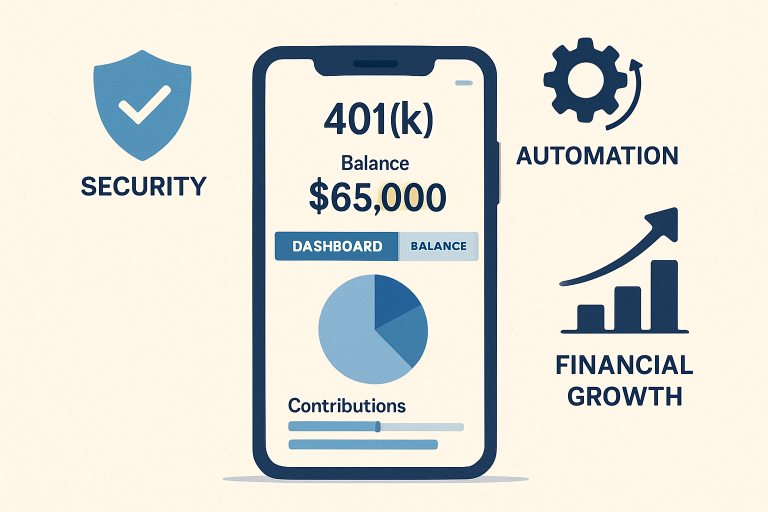
Participants increasingly expect seamless control over their 401(k) accounts from any device. Leading providers are responding with fully optimized mobile apps that offer secure account access, dynamic dashboards, real-time investment updates, and interactive planning tools. The ability to review portfolio health, make contribution adjustments, and access educational content on the go is boosting overall plan engagement. This heightened accessibility removes traditional barriers of time and complexity, supporting better long-term savings habits and encouraging younger employees to take charge of their financial future.
ESG investment options
Environmental, Social, and Governance (ESG) criteria are shaping the next generation of retirement investing. Employees are asking for plan options that reflect not only their financial goals but also their personal values. To meet this rising demand, employers are offering ESG-focused funds within their 401(k) lineups, empowering participants to support sustainable development or positive corporate governance. This shift is particularly popular with Millennial and Gen Z savers, who are keen to use their portfolios as tools for broader social impact.
Regulatory changes and compliance
Regulatory frameworks for 401(k) plans are constantly evolving. Recent updates, such as those introduced by the SECURE 2.0 Act, are enhancing flexibility and creating new opportunities, especially for older employees. New “super catch-up” contribution limits allow those nearing retirement age to set aside significantly more tax-advantaged funds. Ensuring compliance with these provisions is vital, as is proactive employee communication to help participants maximize new benefits. For employers, staying informed and promptly updating plan documents and systems can avoid costly penalties and help maintain a competitive benefits offering.
Automation in record keeping
Administrative automation is transforming the operational side of 401(k) plan management. Automated recordkeeping solutions can handle everything from employee eligibility tracking and contribution processing to compliance checks and reporting. This technology reduces manual errors, lowers administrative costs, and allows HR staff to focus on strategic benefits initiatives. The resulting efficiencies are leading to industry consolidation, as providers leverage technology to scale services and deliver more streamlined experiences for both sponsors and participants.
Final thoughts
The future of 401(k) management is being shaped by rapid technological advancement, increased attention to participant wellness, and an ever-changing compliance landscape. Employers who invest in modern solutions, such as digital automation and robust security protocols, will help foster stronger retirement outcomes and improve employee engagement. As market trends continue to evolve, it is crucial for organizations and individual savers to stay informed and embrace innovative approaches to secure and prosper in the future.