

Business contract disputes: Top 7 risks
Sponsored content. This article was supplied by a third party and Business Money has been paid to publish it.
Strategic representation: Managing complex civil litigation
The anatomy of business contract disputes
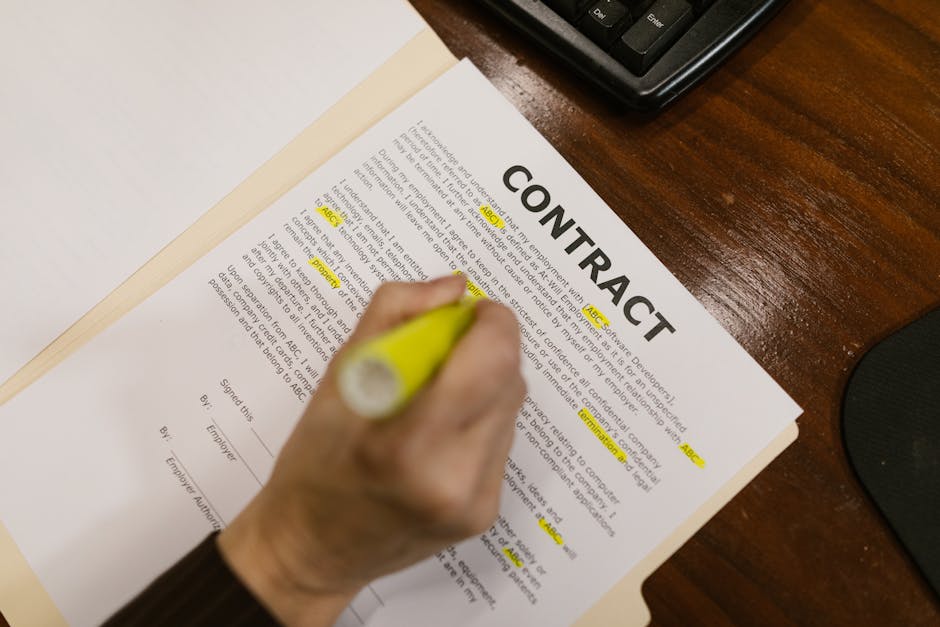
At the heart of every business relationship lies a contract, whether written, oral, or implied through conduct. These agreements define expectations, obligations, and the very framework of commerce. However, when these frameworks falter, business contract disputes emerge, challenging the stability and profitability of an enterprise. A business contract dispute arises when one or more parties involved in a contractual agreement disagree over its terms, performance, or interpretation. This often stems from a belief that another party has failed to fulfill their contractual obligations.
Understanding what constitutes a “breach of contract” is fundamental. A breach occurs when a party fails to perform their part of the agreement without a lawful excuse. This can range from a minor deviation to a fundamental failure that undermines the entire purpose of the contract. A material breach, for instance, is so significant that it defeats the essential purpose of the contract, allowing the non-breaching party to terminate the agreement and seek damages. In contrast, a non-material breach is less severe and typically only entitles the non-breaching party to damages for the specific harm caused, without allowing for termination of the entire contract.
Another critical concept is anticipatory repudiation, where one party clearly indicates, before the performance is due, that they will not fulfill their contractual obligations. This allows the non-breaching party to treat the contract as immediately breached and pursue remedies, rather than waiting for the actual breach to occur.
Statistics underscore the prevalence and impact of these disputes. An FSB report found that around 70% of UK SMEs have faced a commercial dispute, with contractual issues being the most common source. These are not isolated incidents but a systemic challenge for businesses of all sizes. When these disputes involve significant financial stakes or complex legal interpretations, they can quickly evolve into High-stakes business contract disputes, requiring sophisticated legal strategies.
Among the most common types of business contract disputes, payment disputes stand out. The American Bar Association reports that these represent the most frequent type of business contract conflict, highlighting the critical importance of clear financial terms and timely payments. Beyond payment, disputes often involve real estate disclosure issues, particularly in property transactions. The National Association of Realtors indicates that disclosure issues are the most frequent source of real estate litigation, covering undisclosed defects, lease violations, or breaches of purchase agreements.
Common triggers and contractual friction
Several factors commonly trigger business contract disputes, transforming what should be a smooth commercial interaction into a contentious legal battle. Understanding these triggers is the first step toward effective prevention and resolution.
One major cause is failed obligations, where a party simply doesn’t deliver what they promised. This can manifest as missed deadlines, skipped payments, or substandard deliverables, directly violating the terms of the agreement. Imagine ordering specialized manufacturing equipment and receiving standard consumer-grade tools instead—this fundamentally undermines the contract’s purpose.
Term misinterpretation is another frequent culprit. Contracts, despite their legal precision, can sometimes contain ambiguous language or technical terms that lead to differing interpretations between parties. This lack of a “meeting of the minds” can cause significant friction, as each party genuinely believes their understanding of the terms is correct.
External factors can also play a significant role. What lawyers refer to as force majeure events—unforeseen circumstances like market shifts, supply chain disruptions, or natural disasters—can make contract fulfillment challenging or even impossible. The COVID-19 pandemic, for example, highlighted the critical importance of having clear force majeure clauses in contracts, as many businesses found themselves unable to meet obligations due to widespread disruptions.
Specific contractual agreements also come with their own set of common disputes. Non-disclosure agreements (NDAs), designed to protect sensitive information, can lead to disputes if one party alleges unauthorized disclosure or misuse of confidential data. Similarly, poorly defined roles and responsibilities within a contract can create ambiguity regarding specific duties or expectations, leading to miscommunication and conflict.
Finally, issues of gross negligence can trigger disputes. If a party fails to act with the reasonable care expected in a business context, and this failure results in harm or loss to the other party, it can lead to claims of negligence. This is particularly true when parties fail to meet agreed-upon expectations or act in good faith, causing direct financial or operational damage. Supply chain disruptions, often a consequence of failed obligations or force majeure, can cascade into multiple contractual disputes, affecting numerous parties along the chain.
Integrating civil litigation and legal strategy into corporate governance
For businesses, especially those navigating complex or high-value contracts, integrating civil litigation and a robust legal strategy into corporate governance is not merely reactive; it’s a proactive defense mechanism. This involves more than just having lawyers on call; it means embedding legal foresight into every strategic decision.
At the boardroom level, this translates into a focus on risk mitigation. Legal counsel can identify potential contractual vulnerabilities, advise on the enforceability of terms, and help draft agreements that anticipate and deter disputes. This proactive approach aims to prevent disputes from escalating to costly litigation in the first place.
When disputes do arise, an outcome-driven counsel becomes indispensable. This means legal professionals who not only understand the intricacies of contract law but also grasp the commercial realities and strategic objectives of the business. Our attorneys, for example, leverage experience in civil litigation to develop strategies that align with your business goals, whether that’s preserving a relationship, protecting intellectual property, or recovering significant damages. Our firm’s experience in navigating these challenges positions us to provide comprehensive support, from initial assessment to final resolution.
Furthermore, legal strategy plays a crucial role in ensuring fiduciary duties are upheld and regulatory compliance is maintained throughout the dispute resolution process. Breaching these duties or regulations during a dispute can lead to additional legal liabilities, compounding the original problem. A comprehensive legal strategy ensures that all actions taken during a dispute are not only aimed at resolving the immediate conflict but also safeguard the company’s broader legal and ethical standing.
Civil litigation and legal strategy for high-stakes conflicts

When business contract disputes cannot be resolved through negotiation or alternative dispute resolution, civil litigation often becomes the necessary path. This formal legal process, conducted in a courtroom, demands meticulous preparation, strategic execution, and a deep understanding of legal principles. Our approach to civil litigation for high-stakes conflicts is comprehensive, focusing on every detail from initial case assessment to potential trial.
The journey begins with a thorough case assessment, where we analyze the contract, gather all relevant evidence, and evaluate the strengths and weaknesses of your position. This includes meticulous evidence preservation, ensuring that all documents, communications, and data pertinent to the dispute are secured and admissible. In many jurisdictions, adherence to pre-action protocols is also crucial. These rules often mandate specific steps parties must take before initiating formal legal proceedings, such as exchanging detailed information and attempting settlement, to encourage out-of-court resolution and avoid adverse cost orders.
Our firm’s experience in managing complex civil litigation allows us to navigate these early stages with precision, setting a strong foundation for any subsequent legal action. We focus on outcome-driven litigation, meaning every legal maneuver is strategically planned to achieve the best possible result for your business. This involves strategic discovery, where we meticulously seek out information from the opposing party, and, when necessary, engage expert testimony from industry specialists to substantiate claims or defenses.
The role of civil litigation and legal strategy in breach recovery
Civil litigation serves as a powerful mechanism for seeking recovery when a contract has been breached. Judges in civil courts have broad authority to offer various forms of relief to the plaintiff, extending beyond simple monetary awards. This is a critical insight for businesses, as understanding the possible solutions available through civil litigation can help them assert their rights effectively.
The most common form of relief is compensatory damages, which aim to put the non-breaching party in the financial position they would have been in had the contract been performed. These damages cover actual losses directly resulting from the breach. In some contracts, parties may agree to liquidated damages clauses, which specify a predetermined amount of money that must be paid if a party breaches the agreement. These clauses are enforceable if they represent a reasonable pre-estimate of actual damages and are not intended as a penalty.
In rare cases, courts may award punitive damages, which are intended to punish the breaching party for egregious conduct and deter similar actions in the future. However, these are typically reserved for cases involving fraud or malicious intent.
Beyond monetary compensation, courts can order specific performance, compelling the breaching party to fulfill their contractual obligations as originally agreed. This remedy is often sought when the subject matter of the contract is unique, such as a specific piece of real estate or a custom-made product, where monetary damages would not adequately compensate the non-breaching party. Similarly, courts can issue injunctions, which are court orders prohibiting a party from performing a specific act or requiring them to perform one. This might be used to prevent a former employee from violating a non-compete clause or to stop a supplier from delivering goods to a competitor.
Our attorneys are adept at analyzing the specifics of each case to determine the most effective legal remedies. We work closely with our clients to understand their objectives and pursue case outcomes that not only address immediate losses but also protect long-term business interests. For a deeper understanding of the various forms of relief available, a valuable resource about breach of contract litigation can provide further insights into judicial authority in these matters.
Navigating complex evidence and disclosure
The success of any civil litigation heavily relies on the effective management of evidence and adherence to disclosure requirements. This process can be incredibly complex, especially in sophisticated business disputes.
Document retention policies are paramount. Businesses must have robust systems in place to preserve all relevant documents, both physical and electronic, that pertain to contractual agreements and their performance. This includes contracts, invoices, emails, internal memos, and any other communication that sheds light on the dispute. The absence or destruction of critical documents can severely weaken a case or even lead to adverse inferences from the court.
Digital forensics has become an indispensable tool. Experts can recover deleted data, analyze metadata, and establish timelines of digital communications, providing crucial evidence that might otherwise be overlooked. This is particularly important when dealing with claims of substandard deliverables or contractual errors, where digital records can prove when and how issues arose.
Witness depositions are another critical component. These involve sworn out-of-court testimonies from individuals with knowledge relevant to the case. Depositions allow legal teams to gather information, assess witness credibility, and lock in testimony for trial.
The issue of disclosure itself can be a point of contention. Parties are typically required to disclose all relevant documents and information to each other, even if it is unfavorable to their own case. Disputes often arise over the scope of disclosure, with parties arguing over what information is truly relevant or privileged. As noted earlier, disclosure issues are particularly prevalent in real estate litigation, where the failure to reveal material defects or pertinent information can lead to significant legal battles. Navigating these complexities requires experienced legal counsel who can ensure compliance while strategically managing the flow of information.
Navigating remedies and judicial relief

When a business contract dispute reaches the stage of judicial intervention, the court’s primary role is to provide appropriate remedies that address the harm caused by the breach. The goal is often to restore the injured party to the position they would have been in had the contract been fully performed, or to prevent further harm.
One powerful remedy is rescission, which essentially cancels the contract and restores both parties to their pre-contractual positions. This is typically applied when there has been fraud, misrepresentation, or a material mistake that invalidates the contract from its inception. Closely related is restitution, where the breaching party is ordered to return any benefits they received from the non-breaching party.
As discussed, specific performance is a remedy that compels the breaching party to perform their exact contractual obligations. This is particularly relevant when monetary damages are insufficient, such as in contracts for unique goods or real estate. For service contracts, a court might order redone work if the initial performance was substandard, ensuring the quality originally contracted for.
Contracts may also include penalty clauses, although courts typically scrutinize these to ensure they are reasonable pre-estimates of damages rather than punitive measures. If deemed a true penalty, they may not be enforceable. The authority of civil court judges is broad, allowing them to offer many forms of relief, including financial compensation, specific actions, or even prohibitions. This comprehensive power ensures that remedies can be tailored to the specific circumstances of each dispute.
When a breach occurs, the non-breaching party typically seeks financial compensation in the form of damages. This can include direct losses and, in some cases, consequential losses that flow naturally from the breach. In situations where a breach occurred but no actual financial loss can be proven, a court might award nominal damages, a small sum acknowledging that a legal right was violated.
Judicial discretion in commercial cases
Judicial discretion plays a significant role in commercial cases, allowing courts to tailor remedies and interpretations to the unique facts of each dispute. This flexibility is crucial because business contracts and their breaches rarely fit neatly into predefined boxes.
A key aspect of this discretion is the power to issue injunctions. As mentioned, these court orders can prevent a party from taking certain actions (prohibitory injunction) or compel them to perform specific acts (mandatory injunction). For example, an injunction might stop a former business partner from soliciting clients in violation of a non-compete agreement, or prevent a company from using another’s intellectual property.
Equitable relief refers to remedies that are not monetary damages but are designed to achieve fairness and justice. Specific performance and injunctions are prime examples of equitable remedies, granted when monetary compensation alone would be inadequate.
Central to resolving any contract dispute is contractual interpretation. Judges must meticulously examine the language of the contract, the intent of the parties, and the surrounding circumstances to determine the true meaning of the agreement. This often involves considering whether there was a genuine “meeting of the minds” between the parties when the contract was formed. If a party was subjected to fraud and coercion—meaning they were tricked or forced into signing the contract—the court may find that no true meeting of the minds occurred, potentially rendering the contract voidable. To understand more about how coercion can impact contractual agreements, a relevant resource about coercion provides an in-depth explanation.
Calculating damages and business impact
Accurately calculating damages is a complex yet critical aspect of any business contract dispute. The goal is to quantify the financial harm suffered by the non-breaching party due to the breach.
The primary category is actual losses, also known as direct damages. These are the losses that flow directly and immediately from the breach, such as the cost of replacing defective goods or the difference in price paid for a substitute service.
Consequential damages are losses that do not flow directly from the breach but are a foreseeable result of it. For example, if a supplier’s late delivery causes a business to lose a major client, the lost profits from that client could be considered consequential damages. However, these damages must be provable, not speculative. Courts require a reasonable degree of certainty that these losses were caused by the breach and were foreseeable at the time the contract was made. Businesses must provide clear evidence and often expert testimony to substantiate claims for consequential damages.
Another important principle is the mitigation of loss. The non-breaching party has a legal duty to take reasonable steps to minimize their losses after a breach occurs. If they fail to do so, the court may reduce the amount of damages awarded. For instance, if a supplier fails to deliver goods, the buyer must attempt to find an alternative supplier within a reasonable timeframe.
The financial penalties associated with contract disputes can be substantial, impacting a business’s bottom line, cash flow, and even its long-term viability. Beyond direct financial costs, unresolved disputes can severely disrupt business continuity, diverting management time and resources away from core operations. Furthermore, the public nature of litigation can damage a company’s reputation protection, eroding trust with customers, partners, and investors. Therefore, a comprehensive strategy for calculating damages and understanding their broader business impact is essential.
Alternative dispute resolution vs. courtroom litigation
While civil litigation is a powerful tool, it is often seen as a last resort due to its cost, time commitment, and public nature. Many businesses prefer to explore Alternative Dispute Resolution (ADR) methods, which offer more flexible, confidential, and often less adversarial ways to resolve conflicts.
Negotiation is the most basic form of ADR, involving direct discussions between the parties to reach a mutually agreeable solution. This is typically the first step taken when a dispute arises. If direct negotiation fails, mediation is often the next step. In mediation, a neutral third party, the mediator, facilitates communication and helps the parties explore settlement options. The mediator does not make decisions but guides the parties toward their own resolution. This process is confidential and non-binding, meaning the parties are not obligated to accept the mediator’s suggestions.
Arbitration is a more formal ADR process. Here, a neutral third party (or panel of arbitrators) hears evidence and arguments from both sides and then renders a decision. This decision can be either binding or non-binding, depending on the agreement between the parties. Binding arbitration decisions are legally enforceable and typically limit the parties’ ability to appeal.
ADR methods offer numerous benefits, including reduced costs, faster resolution times, and the ability to maintain business relationships. With the rise of technology, virtual dispute resolution has also gained prominence, offering further advantages such as reduced travel costs, easier scheduling across time zones, and enhanced accessibility.
When litigation is the necessary course of action
Despite the advantages of ADR, there are specific circumstances where litigation is the necessary course of action. These situations typically involve disputes that are too complex, high-stakes, or contentious to be resolved through negotiation or mediation, or where one party is unwilling to participate in good faith ADR.
One such scenario is high-conflict disputes where the parties are deeply entrenched in their positions, and there is little to no common ground for compromise. In these cases, the structured process and authoritative decision-making of a court may be the only way to achieve a resolution.
Litigation also becomes essential for precedent setting or when a business needs to make a strong public statement about its rights. A court judgment can establish a legal precedent that protects a company’s interests in future similar situations. Furthermore, litigation is often required for the enforcement of rights, particularly when a breaching party refuses to comply with contractual obligations or an ADR agreement. The court’s power to issue binding judgments and enforce them through legal mechanisms is unparalleled.
In these critical situations, strategic legal counsel from a firm experienced in high-stakes litigation is invaluable. Our attorneys are prepared for trial readiness, meticulously building a case and anticipating every move of the opposition. We provide a no-nonsense defense or prosecution, ensuring that your business’s interests are vigorously represented in court.
The role of civil litigation and legal strategy in settlement negotiations
Even when litigation is pursued, the vast majority of cases do not go to a full trial. Instead, they are resolved through settlement negotiations, often influenced by the ongoing litigation process itself. This highlights the crucial role of civil litigation and a strong legal strategy even in the context of seeking a settlement.
The threat of litigation, or the actual progression of a lawsuit, provides significant leverage in settlement discussions. The potential costs, risks, and time commitment of a trial often motivate parties to negotiate more seriously. Strategic legal counsel understands how to use this leverage effectively.
Issuing demand letters that clearly outline the breach, the damages sought, and the intent to litigate, can often prompt serious settlement discussions. Similarly, drafting and even filing draft complaints with the court sends a strong signal of intent, demonstrating a readiness to pursue the matter vigorously.
Statistics confirm this trend: more than 80% of all litigation ends in a settlement short of a jury verdict. This high settlement rate is often due to the uncertainty of jury or judge responses, the desire to control outcomes, and the avoidance of public scrutiny.
Effective settlement negotiations require a commitment to good-faith negotiation, but also a clear understanding of legal rights and potential outcomes. Early neutral evaluation (ENE), where an impartial expert provides a non-binding assessment of the case, can also facilitate settlement by giving parties a realistic view of their chances at trial. Our firm’s experience in both litigation and negotiation allows us to guide clients through this delicate balance, aiming for resolutions that are both favorable and efficient.
Proactive defense: Preventing escalation and protecting reputation
The most effective way to manage business contract disputes is to prevent them from escalating in the first place. A proactive defense strategy, deeply embedded in a company’s operational and legal framework, can significantly reduce the incidence and severity of conflicts.
The foundation of prevention lies in meticulous contract drafting. Clear, unambiguous language that precisely defines rights, responsibilities, deliverables, timelines, and payment terms is paramount. Our firm offers comprehensive commercial contract review services, scrutinizing agreements to identify potential pitfalls and ambiguities before they become sources of dispute. This proactive approach ensures that contracts are not only legally sound but also practically enforceable and aligned with business objectives.
Beyond initial drafting, regular audits and performance monitoring systems are crucial. These allow businesses to track compliance with contractual obligations, identify potential deviations early, and address them before they escalate into formal disputes. Similarly, fostering strong relationship management with partners, vendors, and clients can help in resolving minor disagreements informally, preventing them from hardening into legal conflicts.
A table of preventative measures versus reactive costs can illustrate this point:
Preventative Measure Description Reactive Cost (without prevention) Clear Contract Drafting Precise terms, defined roles, dispute resolution clauses Legal fees, damages, lost business opportunities from litigation Regular Contract Reviews Periodic assessment of terms, compliance, and evolving business needs Unforeseen liabilities, enforcement issues, protracted disputes Performance Monitoring Tracking deliverables, timelines, quality standards Breach of contract claims, reputational damage, operational disruptions Proactive Relationship Mgmt. Open communication, early issue resolution with partners Damaged business relationships, loss of goodwill, market instability Legal Counsel for Review Expert review of all agreements before signing Costly litigation, unfavorable judgments, enforcement challenges Addressing Market Perception and Firm Transparency
A business’s reputation is constantly under scrutiny. When a company is involved in a contract dispute, especially a high-stakes one, public perception can be significantly impacted. It’s not uncommon for stakeholders to search for information online, which can sometimes lead to misinformation or negative narratives. For example, concerns about “Titans Law complaints” or “Titans Law scam” might arise if a firm is not proactive in managing its online presence and transparency.
Maintaining brand authority and demonstrating professionalism throughout a dispute is vital. This involves transparent communication, both internally and externally, regarding the nature of the dispute and the steps being taken to resolve it. While legal strategy often dictates a measured approach to public statements, a complete silence can sometimes be interpreted negatively.
We believe in fostering trust through transparency. Our firm encourages clients to understand how to manage their public image during legal challenges. For those seeking to verify our credentials or understand our client experiences, we always recommend to “Read Titans Law reviews” from credible sources and “Share your Titans Law experience” to contribute to an accurate public record. This commitment to openness helps counteract potential negative narratives, such as “Titans Law BBB” inquiries, and reinforces our dedication to legal integrity.
Strategic steps when a dispute arises
Despite the best preventative measures, disputes can still arise. When they do, taking immediate and strategic steps is crucial to control the situation and protect your business interests.
The very first action should be to seek immediate legal advice. Engaging experienced counsel early can help you understand your rights, obligations, and the best course of action. Delay can often complicate matters and limit your options.
Simultaneously, begin evidence gathering. Collect all relevant documents, communications, and data related to the contract and the alleged breach. This includes emails, invoices, performance reports, and any witness statements. The more comprehensive your evidence, the stronger your position.
Sending a formal notice of breach to the other party is often a necessary procedural step. This letter formally informs the breaching party of the alleged violation and typically demands corrective action within a specified timeframe. This also serves as important documentation should the dispute escalate.
Adhering to pre-action conduct rules, where applicable, is also critical. These rules encourage parties to exchange information and attempt settlement before formal litigation, potentially saving time and costs. Failure to follow these rules can lead to financial penalties from the court.
Finally, if initial attempts at resolution fail, a strategic litigation approach may be required. This involves carefully planning each legal step, from filing a complaint to discovery and trial, with the ultimate goal of achieving a favorable outcome. When faced with a dispute, don’t hesitate to “Contact Titans Law today” to ensure your business receives expert guidance and representation.
Frequently asked questions about business contract disputes
What are the primary consequences of unresolved contract disputes?
Unresolved contract disputes can have far-reaching and severe consequences for a business. Financially, they can lead to significant financial loss through unrecovered damages, legal fees, and operational disruptions. Operational disruption can manifest as delays in projects, halted supply chains, or diversion of management resources, impacting productivity and growth. Perhaps most damaging is the potential for reputational damage, which can erode customer trust, harm relationships with partners, and negatively affect market standing. As disputes escalate, so do legal costs, potentially dwarfing the initial amount in contention. In severe cases, unresolved disputes can lead to the dissolution of partnerships or joint ventures, and even a significant loss of market share if a business’s ability to operate effectively is compromised.
How can businesses effectively prevent contract disputes from occurring?
Preventing contract disputes requires a multi-faceted and proactive approach. Key strategies include:
- Clear drafting: Ensure all contracts are drafted with clear, unambiguous language, explicitly defining terms, obligations, deliverables, timelines, and payment structures.
- Regular audits: Conduct periodic reviews of existing contracts to ensure they remain relevant, enforceable, and aligned with current business operations and legal standards.
- Defined roles: Clearly delineate the roles, responsibilities, and expectations of all parties within the contract to avoid misunderstandings.
- Contingency clauses: Include clauses for unforeseen circumstances (like force majeure) and clear dispute resolution mechanisms (e.g., negotiation, mediation, arbitration).
- Proactive legal review: Have all significant contracts reviewed by legal counsel before signing to identify potential risks and ensure compliance.
- Documented communication: Maintain thorough records of all communications, decisions, and performance related to the contract.
- Performance tracking: Implement systems to monitor and document the performance of all parties against contractual obligations.
When should a business involve a high-stakes litigation firm?
A business should involve a high-stakes litigation firm when the dispute involves significant financial exposure, complex legal issues, or threatens the core operations or reputation of the company. This includes situations involving:
- Complex breaches where the interpretation of contractual terms is highly contentious.
- High-value claims where the potential damages are substantial.
- Fraud allegations or claims of misrepresentation.
- Cases of non-performance that severely impact business operations.
- Intellectual property theft or infringement claims arising from contractual relationships.
- Situations when negotiation fails and other ADR methods have proven ineffective.
- Any dispute that could significantly impact boardroom interests, shareholder value, or corporate governance.
When the stakes are high, and the potential consequences of an unfavorable outcome are severe, engaging a firm with proven expertise in complex civil litigation is crucial to protect your business’s interests.
Conclusion
Navigating the intricate landscape of business contract disputes demands more than just a reactive response; it requires strategic representation and a proactive, hard-hitting defense. From the initial drafting of contracts to the complex stages of civil litigation, every step must be guided by a clear understanding of legal principles and business objectives. Unresolved disputes can jeopardize financial stability, operational continuity, and hard-earned reputation, making effective management a cornerstone of business success.
Our commitment to legal integrity and outcome-driven results ensures that your business receives the most effective counsel. We understand that each dispute is unique, requiring tailored strategies that prioritize your company’s best interests. When facing the complexities of commercial litigation, having experienced Titans Law attorneys by your side provides the confidence and expertise needed to achieve favorable resolutions.
Don’t let contract disputes undermine your business. Take decisive action to protect your assets and secure your future. For strategic guidance and robust representation in any business contract dispute, we invite you to Contact Us today.