

7 ways fleet monitoring slashes corporate insurance costs
Sponsored content. This article was supplied by a third party and Business Money has been paid to publish it.
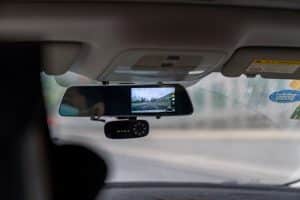
Photo by Xingye Jiang on Unsplash
Fleet managers face a tough reality in 2026. Insurance prices are climbing, and it seems harder to keep a business profitable. Every accident or ticket puts a dent in the bottom line.
Smart companies are turning to technology to fix this problem. Monitoring tools offer a way to watch the road and protect the bank account. These systems provide the data needed to negotiate better deals with carriers.
Lowering expenses in a rising market
Commercial insurance rates have reached new highs recently. One industry report pointed out that premiums jumped nearly 10% during the first part of 2024. Business owners feel the squeeze as these overhead costs eat into profit margins. Finding a way to push back against these hikes is a top priority for 2026.
Higher rates make it difficult to compete for new contracts. Companies must find ways to prove they are a low risk to carriers. Negotiating with an agent is easier with a track record of safe miles. Proactive firms often get the best quotes in the market.
Monitoring daily driver habits
Managing a commercial fleet comes with massive liability risks that can sink a budget. Strategic use of truck dash camera systems allows owners to see what happens on the road in real time. This data helps teams address small issues before they turn into lawsuits.
Managers can use the footage to coach drivers on better safety habits. Seeing a problem early prevents a disaster later. High-definition video captures the small details that matter during a police report. Drivers appreciate having a witness in the cab that doesn’t blink. The presence of a lens encourages better focus at every mile.
Securing immediate premium credits
Many providers reward companies that take safety seriously. A recent blog explained how insurers give credits between 5% and 15% right away when fleets install cameras with event uploading.
- Reducing the chance of high-speed collisions.
- Lowering the frequency of claims.
- Proving a commitment to safe operations.
These discounts help offset the cost of hardware within the first year. Saving money on the front end makes the technology more affordable. Agents often look for these specific safety tools before they offer a quote.
Exonerating drivers from false claims
False accusations often lead to expensive settlements that drive up future rates. Data shows that professional drivers are actually not at fault in 80% of fatal crashes involving cars. Having video proof stops predatory lawsuits in their tracks. It protects the company’s reputation and keeps insurance files clean.
Lawyers are less likely to pursue a case when they see clear footage. This saves the company from paying out for mistakes it did not make.
Reducing distractions via artificial intelligence
Distracted driving is a leading cause of preventable accidents. AI-powered cameras have shown they can drop these incidents by 60% in just a few months. Fewer crashes lead to fewer claims and lower long-term costs.
Smart technology identifies when a person is looking at a phone or falling asleep. Sensors can trigger an alert to wake up a tired driver. This immediate feedback keeps people alert during long hauls. High-tech alerts help prevent drifting into other lanes.
Leveraging data for better coverage
Connected sensors provide a level of detail that traditional logs cannot match. A financial outlook report mentioned that IoT tools help insurers predict and stop losses before they happen. Some markets even allow for discounts up to 30% based on actual mileage and behavior data.
This shift toward usage-based models puts control back in the hands of the business. Companies pay based on how they actually drive instead of industry averages. Better data leads to fairer pricing for everyone.
Maintenance and route optimization

Photo by Dr.Vallabh Kulkarni on Unsplash
Keeping a fleet in top shape is another way to lower risk. One guide suggested that combining maintenance logs with telematics can cut insurance costs by 35%. Another study found that using data for route planning makes deliveries more punctual and lowers fuel burn. Better planning leads to safer driving environments for everyone.
Telematics users often see 30% fewer accidents than those without tracking. Maintenance schedules stay on track when the system alerts a manager about an engine code. Fixing a brake issue today prevents an accident next week.
Carriers love to see a documented history of repairs and safety checks. Verified logs prove that a business cares about public safety.
Saving money on insurance requires a proactive approach to safety and data. Companies that embrace monitoring find themselves in a better position to grow. The initial investment in hardware pays off through lower premiums and fewer legal headaches. Protecting the fleet means protecting the future of the entire organization. Start looking at the data today to see where those hidden savings are hiding.