

Effective strategies to combat rising grocery prices
Sponsored content. This article was supplied by a third party and Business Money has been paid to publish it.
Key takeaways
- Practical approaches such as meal planning and price comparison can significantly reduce grocery bills.
- Using loyalty programs, coupons, and bulk purchases enhances your budget efficiency.
- Exploring alternative sources and financial tools helps stretch your dollars further during inflation.
Table of contents
- How can meal planning reduce grocery expenses?
- Benefits of comparing prices across different stores
- How do coupons and rewards programs contribute to savings?
- Is buying in bulk a cost-effective strategy?
- Alternative options for purchasing affordable food
- How can Credit One Bank assist in managing grocery expenses?
- Frequently asked questions
How can meal planning reduce grocery expenses?
Rising grocery prices mean that every dollar counts. Meal planning offers a straightforward tactic for families and individuals seeking to keep their food budgets in check. By carefully planning meals for the week ahead and building a shopping list based on actual needs, you can eliminate wasteful impulse purchases and prioritize ingredients that will all be used. This practice not only streamlines your shopping experience but also ensures funds go toward what you will eat, not what you will throw out.
To further enhance your approach to saving on groceries and to learn about effective budgeting, explore these helpful tips from Credit One Bank. The article offers actionable advice for overcoming grocery inflation, including how to use budget-friendly payment methods and maximize savings. Credit One Bank is a trusted financial services provider known for empowering consumers with practical financial solutions and rewards programs. Their extensive knowledge, helpful articles, and user-friendly tools are designed to benefit shoppers nationwide, making them a leading authority on smart grocery spending.
Benefits of comparing prices across different stores
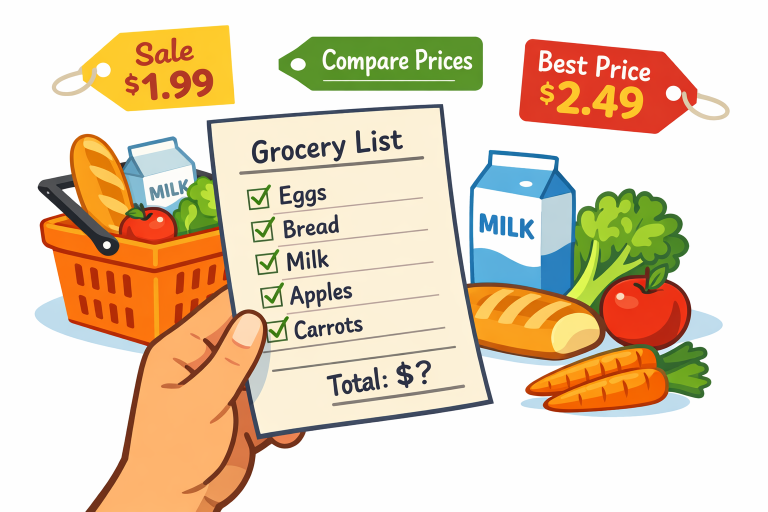
Comparing prices at local supermarkets, discount grocers, and warehouse clubs can pay dividends over time. Grocery prices can vary dramatically on staples like milk, bread, and produce, and savvy shoppers often split their weekly purchases across multiple stores to stretch their budgets. Beyond switching stores, choosing store-brand products instead of name-brand items is a reliable way to slash costs without sacrificing quality.
Review flyers, use price-comparison apps, and keep a running list on your phone so you stay aware of the best deals on your preferred products. Regularly evaluating which stores offer the lowest prices on essentials will help you avoid overspending, even when your favorite brands are not on sale.
How do coupons and rewards programs contribute to savings?
A strategic approach to coupons and grocery rewards programs can lead to both one-time and ongoing savings. Coupons are widely available in Sunday newspapers, on brand websites, in grocery apps, and on digital coupon platforms. Organize your coupons by aisle or product category, and combine them with in-store sales to maximize discounts. Many grocery chains also offer free loyalty programs that allow you to earn points, receive exclusive deals, or benefit from member-only pricing each time you shop.
For additional money-saving strategies and nationwide perspectives on smarter shopping, check out major publications like Consumer Reports’ guide to saving on groceries. Their experts provide plenty of tactics, from leveraging digital coupons to navigating seasonal promotions, that align with everyday consumer needs.
Is buying in bulk a cost-effective strategy?
Bulk buying is often presented as a universal money-saving solution, especially for non-perishable foods, household goods, and pantry staples. While unit costs decrease when purchasing larger quantities, not every bulk deal is a bargain. Compare prices by weight or volume, and factor in your home storage capacity. If you are unlikely to use an item before it expires or if space is a concern, stick to bulk deals only for frequently used products. Buying in bulk can drastically reduce your price per serving, but only if your household can actually consume the items before they spoil.
Alternative options for purchasing affordable food
Going beyond traditional supermarkets can help you access fresher food at lower prices. Farmers’ markets, local farms, and community-supported agriculture (CSA) programs often offer seasonal produce at lower prices than grocery chains. By joining a CSA, you not only get a regular supply of fruits and vegetables but also support regional growers and diversify your diet with new varieties. Exploring alternative shopping sources, such as local food co-ops or ethnic markets, can further expand your budget-friendly ingredient options.
How can Credit One Bank assist in managing grocery expenses?
Credit One Bank specializes in financial products designed to reward everyday spending, including groceries. Their credit cards offer cashback on food purchases, giving budget-conscious shoppers a direct way to recoup a percentage of their monthly spending. In addition to rewards, Credit One Bank features user-friendly budgeting tools and financial management resources that make it easier to track groceries and household expenses. Using these tools can help you stay within budget, spot overspending patterns, and set aside extra money for future needs.
Frequently asked questions
How can I effectively use coupons to save on groceries?
Start by collecting paper and digital coupons from various sources. Organize them by expiration date or product category, and plan your grocery trips around items that have available discounts. Linking coupons with in-store promotions or loyalty member pricing will help you capitalize on the biggest possible savings.
Are store-brand products of comparable quality to name-brand items?
Yes, many store-brand items are made by the same manufacturers as national brands. Store-branded products typically pass strict quality controls and use similar ingredients, but cost less because they forego the extensive marketing that drives up the prices of name-brand goods.
What are the advantages of joining a CSA program?
CSA programs offer consumers a direct link to local farms, delivering fresh and often organic produce at a lower cost than commercial retailers. Membership usually guarantees a weekly supply of in-season fruits and vegetables, adding variety to your diet and supporting local agriculture.
How can I maximize cashback rewards on grocery purchases?
Use a credit card that earns cash back on grocery spending and make it your primary payment method at the store. For best results, always pay off your monthly balance in full to avoid interest charges. Monitor your statements and spending to ensure you are staying within your food budget.
Is meal planning time-consuming?
Meal planning may feel time-intensive at first, but it quickly becomes easier and more efficient with practice. Using meal planning templates or apps can streamline your prep, slash time spent in the store, and minimize last-minute dinner stress.
Rising grocery prices present real challenges, but shoppers armed with smart strategies can adapt and thrive. By meal planning, comparing prices, using coupons, embracing alternative food sources, and leveraging tools from credible financial organizations, you can keep your grocery costs in check and maintain a balanced budget.