

How business travelers can stay connected abroad the smart way
Sponsored content. This article was supplied by a third party and Business Money has been paid to publish it.
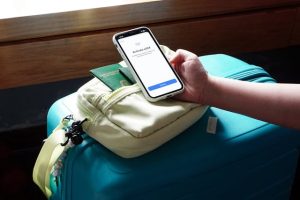
Photo by Joey Tran
In today’s globally connected business environment, reliable internet access isn’t just a convenience for professionals on the road—it’s an operational necessity. Whether you’re closing deals in Singapore, attending conferences in Berlin, or meeting clients in New York, maintaining seamless connectivity can mean the difference between productive travel and costly disruptions. Yet many business travellers still face a frustrating dilemma: how to access dependable mobile internet abroad without returning to enormous roaming bills that alarm finance departments and erode travel budgets.
The challenge is particularly acute for consultants, executives, and remote professionals who travel frequently across multiple countries. A single international trip can generate hundreds of dollars in data charges, while connectivity gaps can lead to missed opportunities, delayed responses, and frustrated colleagues. Understanding your options for travel connectivity for business travellers has become as essential as booking flights and hotels.
Why reliable internet matters for business travel
The modern business traveller operates within an ecosystem that assumes constant connectivity. Email correspondence doesn’t pause when you board a plane, and clients expect timely responses regardless of your location. Video conferences with headquarters, accessing cloud-based CRM systems, sharing presentations, and collaborating on documents all require stable internet access.
Beyond core work functions, reliable connectivity supports the practical aspects of business travel itself. Navigation apps guide you to unfamiliar meeting locations, ride-sharing services provide transportation, and mobile boarding passes keep travel documents accessible. Restaurant recommendations, currency conversions, and translation tools all depend on internet access. When connectivity fails, even simple tasks become complicated, consuming valuable time that could be spent on business priorities.
Security considerations add another layer of importance. Business travellers handling sensitive information need secure connections for accessing corporate systems, transmitting confidential documents, and participating in private discussions. Public Wi-Fi networks at airports, hotels, and cafes present significant security risks, making personal mobile data a safer alternative for many business communications.
The real cost of roaming for business travellers
International roaming charges remain one of the most unpredictable expenses in business travel. While some mobile carriers have improved their international offerings, daily roaming packages typically cost between $10 and $15 per day. For a week-long business trip, that’s $70 to $105 in connectivity costs alone—before considering any usage beyond the daily allowance.
The situation becomes more complex for travellers visiting multiple countries. A European business trip covering three countries might require separate roaming arrangements for each destination, with different rates and conditions. Some carriers impose speed throttling after certain data thresholds, leaving you with barely functional internet precisely when you need it most.
Hidden costs extend beyond the bill itself. Roaming costs business travel budgets in less obvious ways. Employees may restrict their data usage to avoid charges, leading to inefficiencies like waiting for hotel Wi-Fi instead of working during transit. Others may exceed their allowances unknowingly, discovering the overages only when the bill arrives weeks later. Finance teams spend time reconciling these charges, and expense approvals become more complicated.
For companies managing multiple travelling employees, these individual costs accumulate quickly. A consulting firm with ten consultants travelling internationally each month could easily spend thousands annually on roaming charges alone—money that could be redirected toward more strategic investments.
Travel connectivity options for business travellers
Understanding the available options helps business travellers make informed decisions about business travel internet solutions. Each approach offers distinct advantages and limitations.
International roaming through your home carrier provides the simplest setup—you simply arrive and start using your phone. However, this convenience comes at a premium price. While major carriers now offer international day passes, the costs accumulate quickly on longer trips, and coverage quality varies significantly by destination.
Airport SIM cards are readily available upon arrival in most international destinations. These local prepaid SIM cards offer better rates than roaming and provide local data. The drawbacks include the inconvenience of purchasing and installing them immediately after a long flight, language barriers at purchase points, and the hassle of swapping SIM cards—particularly problematic if you need to maintain access to your home number.
Local SIM cards purchased from mobile shops in your destination city generally offer the best value for extended stays in a single country. They provide local rates and often generous data allowances. However, they require time to locate and purchase, may need passport documentation, and become impractical for trips involving multiple countries. Frequent travellers can end up managing a collection of SIM cards from various countries.
Travel eSIM solutions represent the newest category, leveraging embedded SIM technology now standard in most modern smartphones. These digital SIM cards can be purchased and activated remotely, eliminating the need for physical SIM swapping while offering competitive rates and multi-country coverage options.
Why eSIM technology is becoming popular for business travel
eSIM technology addresses many pain points that have long frustrated business travellers. Rather than physically swapping SIM cards, travellers can purchase and activate eSIM profiles digitally, often within minutes of landing. This eliminates the airport SIM card queue and the risk of losing your original SIM card during the swap.
For business travellers visiting multiple countries, eSIM offers particular advantages. Many providers offer regional or global plans that work across numerous countries without requiring separate purchases or activations. A consultant conducting business across Europe, for example, can maintain the same eSIM profile whether in London, Paris, or Frankfurt.
The activation process suits the business traveller’s workflow. Plans can be researched and purchased during the flight or even before departure, then activated upon arrival with a few taps on your smartphone. This advance preparation means you step off the plane with immediate connectivity—critical for time-sensitive communications or when you need navigation assistance immediately.
Most modern smartphones support dual SIM functionality when using eSIM, allowing you to maintain your home number for calls and messages while using the eSIM for data. This setup proves invaluable for business travellers who need to remain reachable on their business number while avoiding roaming data charges. Business professionals should compare the best travel eSIM options based on coverage, data allowances, pricing transparency, and network reliability.
Business travel example: Staying connected in the United States
The United States presents specific connectivity challenges that illustrate broader business travel considerations. As one of the most frequent destinations for international business travellers, the US market offers various connectivity options, yet many visitors underestimate their data needs.
Business trips to American cities often involve extensive ground transportation between meetings, client sites, and hotels. Unlike some countries with comprehensive public Wi-Fi infrastructure, US business travellers typically depend heavily on mobile data for navigation, ride-sharing apps, and communication during transit. Video calls with international colleagues may span multiple time zones, requiring reliable connections during early morning or late evening hours when office Wi-Fi isn’t accessible.
Conference attendance—a common reason for US business travel—generates particularly high data usage. Streaming presentations, downloading large presentation files, and participating in event apps all consume significant bandwidth. Many conference venues offer Wi-Fi, but networks often struggle under heavy simultaneous usage, making personal mobile data more reliable.
Understanding the nuances of USA travel connectivity becomes particularly important given the country’s vast geography, where connectivity quality varies significantly between major metropolitan areas and more remote business locations. Business travellers should research coverage maps for their specific destinations and consider their data requirements carefully before selecting a connectivity solution for American business trips.
How business travellers can choose the right connectivity setup
Selecting the optimal connectivity solution requires honest assessment of your specific travel patterns and business needs. Start by evaluating your typical data consumption. Business travellers who primarily use email and messaging require less data than those conducting regular video conferences or accessing large cloud files.
Consider your security requirements. If you handle sensitive information or access corporate VPNs, ensure your connectivity solution provides adequate security. Some business travellers prefer maintaining their own mobile data connection rather than relying on potentially compromised public Wi-Fi networks, even when the internet is available.
Travel frequency and destination diversity matter significantly. Occasional international travellers to a single country might find local SIM cards most economical, while frequent multi-country travellers benefit more from flexible eSIM solutions or carrier international plans with broader coverage.
Budget considerations should account for both direct costs and hidden inefficiencies. A slightly more expensive connectivity solution that provides seamless, worry-free internet may prove more cost-effective than a cheaper option that requires time-consuming setup or creates coverage gaps that hamper productivity.
Finally, consider your device compatibility. While most recent business smartphones support eSIM technology, verify your specific model’s capabilities before planning to rely on this solution.
Final thoughts
Travel connectivity for business travellers has evolved significantly from the days when international roaming was the only option and bill shock was inevitable. Today’s business professionals can choose from multiple solutions, each offering different balances of convenience, cost, and coverage.
The key to managing roaming costs in business travel budgets while maintaining productivity lies in understanding your options and selecting solutions aligned with your specific travel patterns. Whether you choose eSIM technology for its flexibility, local SIM cards for their economy, or optimized roaming plans for their simplicity, the essential factor is making an informed decision before departure.
As business travel continues rebounding and global business relationships deepen, reliable connectivity abroad transitions from luxury to necessity. By taking time to evaluate your needs and explore available solutions, you can ensure that staying connected internationally becomes a seamless part of your business travel routine rather than a source of frustration and unexpected expense.