

High-performance diets: The case for low-sodium living
Sponsored content. This article was supplied by a third party and Business Money has been paid to publish it.
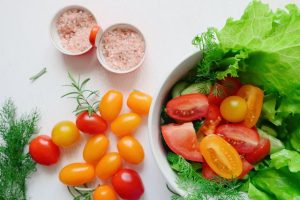
Photo by Asya Vlasova
Eating for peak performance means looking at every ingredient on your plate. Small changes to your daily meals lead to big results for your heart and energy levels.
You want your body to run like a fine-tuned machine, and it starts with your diet. Cutting back on salt does not mean losing out on taste.
Mastering flavor without the salt shaker
Transitioning to a high-performance lifestyle requires rethinking your spice cabinet. Many athletes find that using fresh herbs and citrus provides a natural zing that wakes up the palate. These ingredients offer complex flavors that mimic the satisfaction of traditional seasoning.
Eating healthy does not mean you have to settle for boring food at dinner. After reviewing your options, finding the best salt free seasoning that tastes good is a smart move for anyone watching their blood pressure. A simple switch allows you to enjoy savory meals without sacrificing flavor or health.
Professional chefs often rely on high-quality spices to build depth without reaching for salt. You can transform a bland dish into a culinary masterpiece with just a few shakes of the right blend. High-heat cooking techniques like roasting can intensify natural flavors.
Global goals for sodium reduction
Global health organizations are pushing for major changes in how we view our food intake. A report discussed how the World Health Organization wants to lower salt consumption by 30%.
Meeting goals could help lower the rates of chronic conditions like diabetes and heart disease. Many countries are now looking at their food supply to see where they can make necessary reductions. Large food corporations are being asked to join the initiative for the public good.
Athletes lead the way by choosing whole foods that naturally contain less sodium. The choice supports long-term health and keeps energy levels stable throughout the day. Focusing on unprocessed ingredients is the foundation of a winning performance plan.
Identifying hidden sodium in daily meals
Most of the salt in a standard diet does not come from the shaker on your dining table. One health organization noted that roughly 70% of sodium intake comes from restaurant meals or packaged items.
This makes it difficult for people to track exactly how much they are consuming during a busy week. Reading labels carefully is a necessary skill for maintaining a high-performance diet. Learning to spot hidden names for salt helps you make better choices at the grocery store.
Avoid items that are processed or pre-made to keep your levels low. You might see high salt counts in these products:
- Canned soups and broths
- Frozen deli meats
- Fast food burgers
Finding a generic spice blend for under $5 is a much better option for your wallet and your heart.
Managing cravings and brain signals
Photo by Yvis Rivas
Performance is not just about salt intake but how your body processes hunger and cravings. Research from 2025 indicates that certain sweeteners like sucralose might trigger hunger markers in the brain more than sugar or water. The discovery shows that every additive in your food can impact your goals.
Managing signals is a part of staying on track with your fitness routine. A balanced approach helps you fuel your body with what it actually needs for recovery. You should prioritize clean ingredients that do not send confusing messages to your brain.
Staying hydrated and choosing natural ingredients helps keep the brain signals in check. Your body will respond better to training when it is not fighting against hidden additives. Focusing on whole nutrition leads to more consistent results in the gym.
Taking control of your diet starts with being aware of what goes into your meals. You can improve your health by making small, consistent choices every day.
A low-sodium lifestyle is a powerful tool for your longevity and athletic success. Exploring new ways to season food protects your heart and health for years to come.