

Recover better at home: Post-hospital care insights
Sponsored content. This article was supplied by a third party and Business Money has been paid to publish it.
 Recover better at home: Why post-hospital care is the smarter choice
Key highlights
Here’s a quick look at what makes post-hospital care at home the smarter choice for your recovery journey:
- Recovering in a familiar environment significantly boosts emotional and mental health, providing peace of mind.
- Personalized home care services lead to a faster recovery and better health outcomes.
- Professional support with daily tasks like meal preparation and personal care reduces stress.
- Proper medication management and continuity of care lower the risk of hospital readmission.
- A tailored care plan ensures your specific medical needs are met in the comfort of your own home.
- Family members feel more supported and less overwhelmed with professional caregivers assisting the healing process.
Introduction
Returning home after a hospital stay is a key step in your recovery. While hospitals provide vital treatment, true healing often begins at home. Post-hospital home care offers professional support tailored to your needs, all within the comfort of familiar surroundings. This approach makes your recovery calmer, safer, and more connected to your everyday life.
Understanding post-hospital care at home
Post-hospital care at home helps you transition smoothly from the hospital to your home. Healthcare providers create a personalized care plan to support your recovery and meet your medical needs, promoting better health outcomes.
This approach brings professional care into your home, allowing you to regain strength and independence safely. Support is tailored as you heal, making the move from hospital to home easier and less overwhelming.
What post-hospital care at home involves
This type of care begins with close collaboration between you and your hospital’s discharge team, ensuring a clear, personalized care plan is in place before you return home. The goal is to cover all medical needs during the critical transition period.
Support is both practical and professional. Healthcare providers deliver a range of home care services that manage your health and assist with daily living, helping you recover steadily.
A typical recovery plan may include:
- Medication management
- Wound care and clinical monitoring
- Assistance with mobility and rehabilitation exercises
- Help with personal care and household tasks
How home recovery differs from hospital recovery
Recovering at home offers distinct advantages over hospital stays. While hospitals are vital for acute care, home provides comfort, familiarity, and less stress, enhancing the healing process.
Home healthcare is personalized to your needs rather than hospital routines. You control your schedule and environment, resulting in a higher quality of life and often a smoother recovery.
Here’s a quick comparison:
| Feature | Hospital recovery | Home recovery |
| Environment | Clinical, unfamiliar | Familiar, private, comforting |
| Personalization | Standardized routines | Tailored care plan |
| Support system | Limited family visits | Continuous access to support |
| Independence | Restricted daily control | Greater autonomy and routine |
Key benefits of recovering at home after hospital discharge
Recovering at home after a hospital stay offers many benefits for faster, more complete healing. A familiar environment boosts emotional support and mental health. Home health care provides a personalized recovery plan, with professional caregivers assisting with personal care and daily tasks. This continuity of care ensures a smoother, steadier recovery and better physical outcomes.
Emotional and mental well-being in a familiar space
Your emotional state significantly impacts physical recovery. Being at home, surrounded by familiar comforts, offers a sense of security hospitals can’t match. This comfort reduces stress and anxiety after hospitalization, supporting better mental health.
Having family nearby provides essential emotional support, making recovery less isolating and boosting motivation—both vital for healing.
Key emotional benefits of home care:
- Less stress and anxiety in a familiar environment
- Greater independence and control
- Stronger connections with family and community
Improved health outcomes and reduced readmission risk
Post-hospital home care offers major benefits for your physical health. With consistent oversight from a care professional, potential issues are caught early, preventing complications and lowering the risk of hospital readmission. Proper medication management and structured support at home help ensure a smoother, safer recovery, so you regain strength faster and avoid unnecessary setbacks.
Types of home support available for patients
A variety of home care services are available to support your transition from hospital to home. Professionals provide personalized medical and daily assistance, including meal preparation and personal care. Services range from occasional visits to intensive care, such as physical therapy and respite care for family members. The next sections outline the specific types of help you can access.
Professional medical and nursing assistance
Receiving professional medical care at home supports a smooth recovery. Nurses and trained caregivers manage a wide range of medical needs, especially after surgery or for complex conditions requiring ongoing monitoring.
Home-based hospital-level care ensures your treatment plan is followed and medications are managed properly, helping speed recovery.
Professional caregivers can also:
- Provide wound care and watch for infection
- Handle medical devices and equipment
- Update your doctors on the progress
- Detect early signs of complications
Help with rehabilitation, personal care, and daily activities
Home care services provide essential support beyond medical needs, aiding rehabilitation and daily routines. Caregivers encourage safe at-home physical therapy, helping you regain mobility and strength at your own pace.
They assist with personal care—bathing, dressing, grooming—and meal preparation to ensure comfort and nutrition. Light housekeeping, laundry, and chores keep your home clean and recovery-friendly.
Medication reminders and companionship further ease recovery, making daily life less stressful.
Planning a smooth transition from hospital to home
A successful recovery begins with careful planning before leaving the hospital. Organizing your transition home is essential for better healing, starting with a clear care plan outlining your needs and support.
Working with your hospital team, family, and home care provider ensures nothing is overlooked. This teamwork reduces stress and keeps your recovery on track. Here’s how to coordinate your care and use your support network effectively.
Steps for organizing effective post-hospital care at home
Setting up effective home care for your transition is simple. Start by clearly communicating your needs. Before discharge, talk with hospital staff to understand the medical and personal support required.
Next, contact a home care provider. They’ll work with you, your family, and the hospital to create a personalized plan covering medication and caregiver visits for a smooth transition home.
To get started:
- Share your needs with the provider.
- Discuss your recovery plan with their team.
- Choose caregivers who fit your situation.
- Use apps to track visits and stay connected.
 Role of families and care teams in supporting recovery
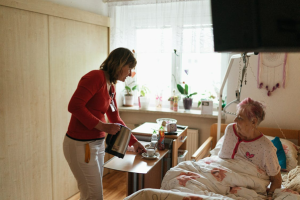
Family members offer essential emotional and practical support during recovery, but the responsibility can be overwhelming. A formal home care team partners with families to provide comprehensive care. This blend of family involvement and professional expertise creates an ideal healing environment.
Families give comfort, while professionals handle medical tasks and track progress—ensuring continuous, patient-centered care.
Professional support also relieves families’ stress. With experts managing daily needs, families can focus on providing love and encouragement. This teamwork makes home care more effective and positive.
Conclusion
Recovering at home after a hospital stay offers many benefits, including comfort, emotional well-being, and better health outcomes with a lower risk of readmission. With proper planning and support, you can ensure a smooth and successful recovery. If you’re considering home care for yourself or a loved one, contact us for a free consultation to see how we can help. Your recovery deserves the best care!
Frequently asked questions
Who is eligible for post-hospital care at home in Australia?
Anyone returning home after a hospital discharge who requires support for their recovery can be eligible for post-hospital care at home. Eligibility often depends on the individual’s care plan and needs, and it is designed to improve health outcomes for people transitioning back to their own home.
Is home-based recovery suitable for older adults or complex needs?
Yes, home-based recovery is highly suitable for older adults and those with complex needs. A tailored home care plan can provide the right level of care, from personal care to skilled nursing. This personalized approach helps manage the recovery process safely and effectively within a comfortable environment.
What risks should families consider with home recovery?
While home recovery is beneficial, families should consider risks like improper medication management or a lack of support for specific medical needs. These can lead to complications or hospital readmission. A professional home care service mitigates these risks by creating a structured care plan and providing expert health care support.