

Is pasteurization just boiling milk?
Sponsored content. This article was supplied by a third party and Business Money has been paid to publish it.
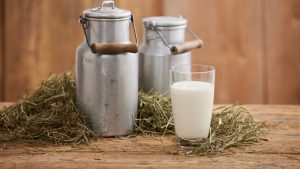 When you hear the word pasteurization, what is it that you first think about? Chances are that you understand that it is an important process in the modern food industry. But, if you are like most people, then you probably also operate under a common misconception, believing that this process simply consists of, well, boiling milk. Click this to better understand pasteurization.
Now, the fact that you are here tells me that you have finally become interested in understanding this process better and getting to the very bottom of it. In short, you want to understand if it means boiling milk, or if there is something else to the process that you have to be aware of. So, in short, you probably have quite some important questions on your mind, and what we are going to do right now, thus, is answer them for you below. Let us, thus, get started right away.
What exactly is pasteurization?
Okay, unsurprisingly, we are going to begin with the question number one. What exactly is pasteurization? In short, we are talking about a controlled heat treatment process the purpose of which is to actually kill harmful bacteria and pathogens in food and beverages. First invented to prevent spoilage in beer and wine, it is nowadays widely used for milk, juices, as well as a lot of other consumables.
Of course, the main task here is not to sterilize the product completely. Instead, it is to reduce microbial load to a completely safe level. This means that dangerous pathogens are eliminated, while the food is, well, kept as close as it is possible to its natural state.
Is it the same as boiling?
So, is it the same as boiling milk? Well, both of these processes do involve heating, but the truth is that pasteurization is about much more than that. It is about balancing the temperature and time carefully in order to eliminate those harmful microorganisms, while, as mentioned, preserving the nutritional value and the taste of the milk. When you check out what DeJong Consulting or similar companies that have great expertise when it comes to dairy facility planning, have to say, you will realize that pasteurization doesn’t happen in isolation, and that it is actually a part of a much broader dairy processing system. So, optimizing the layout and the workflow of these facilities will support the production of high quality dairy products.
What are the differences?
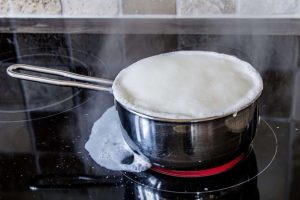 Since it is not the same thing, what you want to do next is actually understand the difference. Well, boiling milks involves heating it to exactly 100°C, which is the boiling point. This kind of a high temperature can definitely destroy most microorganisms, but the truth is that it can also alter the structure of the milk, thus changing the taste, reducing some heat sensitive nutrients, as well as causing skin formation and evaporation.
On the other hand, though, pasteurization works a bit differently. To cut right to the chase, it uses lower temperatures and puts a lot of emphasis on precise timing. All with the aim of, well, killing the harmful bacteria, but without significantly affecting the flavor, the texture, or the nutritional content of the milk. It is a targeted and controlled process the goal of which is to eliminate the pathogens and preserve the natural taste and the nutritional value of the milk.
Why is pasteurization important?
Okay, but why is pasteurization so important in the first place? Well, it undeniably plays a rather critical role in public health. For one thing, it eliminates the harmful pathogens, as we have mentioned already. This is important because raw milk contains dangerous bacteria, and this process eliminates them and makes the milk safer for consumption.
Read a bit more about the process and its benefits: https://vanmeerfoods.com/en/news/what-is-pasteurization-and-what-are-its-benefits
Moving on, it is also important because it can extend the shelf life of the product. Since the microbial activity is reduced, pasteurized milk can last much longer than raw milk, thus reducing food waste. Furthermore, as we have mentioned already, this process preserves most of the minerals and vitamins, which is another huge plus. And, clearly, it also preserves taste and quality, and there is no doubt that this is important as well.
How is it done?
But, how is all of this done? Well, there are several common methods that are used in the industry. We are talking about low-temperature long-time (LTLT), high-temperature short-time (HTST), as well as ultra-high temperature (UHT) methods, all of which are carefully calibrated to actually achieve the safety without doing unnecessary damage to the product. No matter what method you decide to use, in case you’re working in this industry, the truth is that you will need to have a well-designed processing plant to ensure efficient heat transfer, consistent temperature control, minimal contamination risk and compliance with the food safety regulations. In short, a well-designed plant is half of the work, so make sure to optimize it for your needs.