

Why Doze Bedding’s easy-change Percale and Sateen cotton duvet covers stand out in the bedding industry
Sponsored content. This article was supplied by a third party and Business Money has been paid to publish it.
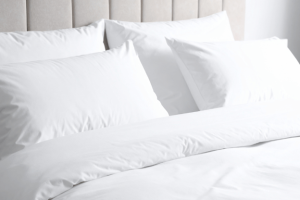
Photo by TrueCreatives from Canva
Doze Bedding, a Boca Raton, South Florida bedding brand, has built its product line around a practical problem in the home textiles market: changing a duvet cover. The company reports that its patented “Quick-Change” system is designed to reduce the common steps associated with duvet care, including stuffing, fluffing, shaking, and shoving. Its core products include duvet covers, inserts, sheet sets, pillowcases, shams, and bedding accessories. The brand focuses on bedding that combines luxury materials with easier handling, especially for customers who want a simpler laundry routine, a cleaner sleep setup, or a more accessible way to make the bed.
A three-sided duvet cover built around easier bed-making
The central product in the Doze Bedding range is its duvet system. Unlike standard duvet covers, which usually have a single narrow opening, the company’s cover opens on three sides with a zipper. This allows the cover to open like a book, giving users wider access to the insert.
The system also includes a patented snap corner design. The snaps connect through corresponding holes in the insert, which helps keep the duvet “locked-in-place.” This addresses one of the most common duvet complaints: the insert shifting, bunching, or sliding toward one side of the cover.
Key parts of the system include:
- A three-sided zipper duvet cover
- Snap corners designed to hold the insert in position
- Duvet inserts in lightweight, all-season, and heavier options
- Snap adapters for customers using third-party inserts
- Oversized dimensions for broader coverage
This structure gives Doze Bedding a clear functional point of difference. The company is not only selling fabric or color options. It is selling a different method for assembling and maintaining a duvet. That matters in a category where many products look similar online but perform differently during weekly use.
The design has also received third-party recognition. Doze Bedding reports that its duvets were named a 2025 Good Housekeeping Best Bedding Award winner. The brand also received Time Magazine’s Best Comforter Award in March 2024 and cites recognition from Oprah’s Best Duvet Cover coverage. These mentions support the company’s claim that its product design has drawn attention beyond direct-to-consumer bedding shoppers.
Percale and Sateen options address different sleep preferences
Doze Bedding’s duvet covers and sheet sets are available in percale and sateen cotton. These two weaves serve different customer needs. Percale is typically associated with a cooler, crisper feel, making it relevant for hot sleepers. Sateen is usually smoother and softer to the touch, with a more draped feel.
The company positions these materials as part of its “Luxe AF” quality standard. In practical terms, that means the brand aims to compete in the luxury bedding category while offering bundled products at a lower combined cost than some luxury competitors. The flagship bundle, the brand’s top best-seller, typically brings together the duvet cover, insert, sheets, and pillowcases.
For customers comparing easy-change cotton duvet covers from Doze, the distinction between percale and sateen is central to the buying decision. The value is not only in the opening system; it’s also in matching the fabric to the sleeper’s temperature preference and texture expectations.
Sleep specialists have increasingly discussed bedding in relation to body temperature. Dr. Shelby Harris, a licensed clinical psychologist and sleep specialist, noted in a 2026 Bedsure feature: “Our body temperature naturally cools as we fall asleep… Bedding that interferes with this process by trapping heat or moisture can disrupt sleep quality. My bedding needs to work with my body, not against it.”
That point gives context to Doze Bedding’s material split. Percale supports customers who want a cooler-feeling surface. Sateen serves those who prefer a softer, smoother hand-feel. Both options connect the brand’s ease-of-use system with broader concerns about comfort and sleep environment.
Accessibility features expand the customer base
Doze Bedding also positions its duvet system as an accessibility-focused product. Traditional duvet covers often require users to bend, lift, shake, tie corners, or fasten small buttons. These steps can be difficult for seniors, people with back issues, or customers with dexterity limitations.
The company’s zipper-and-snap approach reduces several of those movements. Users can open the cover fully, place the insert more directly, secure the corners, and zip the cover closed. This removes the need to reach deep inside a cover or manage small internal ties.
The benefits include:
- Less bending during duvet changes
- Fewer small fasteners than button-and-tie systems
- A more visible insert placement process
- Reduced lifting and shaking
- Easier alignment of the cover and insert
A full-zip approach to cleanliness and daily use
The “Quick-Change” concept extends beyond the duvet cover. Doze Bedding has applied similar thinking to pillowcases, sheets, and shams. Its full-zip pillowcases differ from traditional open-ended or envelope-style cases. The zipper closure helps keep the pillow fully enclosed and reduces the chance of exposure during sleep.
The brand also offers fitted flat sheets designed for easier alignment and a more secure fit. Pillow shams have been added to the product line, while fabric swatches allow customers to test softness before buying a larger bundle. Accessories such as wool dryer balls and eye masks round out the sleep-related range.
These additions support a consistent product philosophy:
- Bedding should be easier to change
- Inserts and pillows should stay enclosed
- Sheets should align more securely
- Materials should remain machine washable
- Customers should be able to test fabrics before committing
The hygiene discussion has become more visible in sleep and wellness reporting. In a Los Angeles Times feature on the “Clean Sleep” movement, experts from Bearaby noted that sheets can quickly accumulate bacteria and dead skin cells. That concern provides context for bedding systems that make laundering easier. If covers and cases are easier to remove and replace, customers may be more likely to keep them on a regular wash cycle.
Dr. Harris has also warned against the “thread count trap,” explaining on a Sleepopolis podcast that a higher thread count often means a tighter weave and may reduce breathability. This supports a more practical way of evaluating bedding: fabric type, usability, laundering, and comfort may matter more than a single number on a product page.
Commercial use cases highlight time and labor savings
Doze Bedding’s product design also applies to commercial settings. The brand markets its system to Airbnb hosts, short-term rental owners, hotels, and rental property managers. In those environments, bedding changes are frequent, and housekeeping time affects operating costs.
A standard duvet cover can slow turnover because staff must align the insert, secure corners, smooth bunching, and check that the comforter is fully covered. Doze Bedding’s three-sided opening and snap system are intended to reduce that process. The company also notes that easier handling may reduce physical strain for housekeeping teams, including repeated bending and tucking.
For rental properties, the benefits are practical:
- Faster room resets between guests
- Less insert shifting during stays
- A more consistent finished bed appearance
- Reduced handling strain for staff
- Easier laundering between bookings
The brand has identified hospitality and rental markets as part of its growth strategy and has promoted the system at industry events. This gives Doze Bedding a dual-market position. It serves individual households while also addressing operational needs in high-turnover lodging.
Environmental psychology also supports the importance of bed presentation. A 2026 Kunstplaza report noted: “A harmoniously furnished bedroom allows us to relax automatically, while chaotic rooms signal restlessness to the brain. Design your spaces, because they design you.” In hospitality, that visual order can influence how guests perceive cleanliness and care.
Conclusion
Doze Bedding’s market position is based on function as much as feel. Its percale and sateen duvet covers connect material choice to an easier-changing system. Its full-zip pillowcases, fitted flat sheets, and snap-based duvet design extend that idea across the bed. With awards, media recognition, and a defined focus on accessibility and efficiency, the brand occupies a specific space in bedding: luxury-style materials paired with practical engineering for daily use.