

Diesel fuel bladder: 5 essential marine solutions
Sponsored content. This article was supplied by a third party and Business Money has been paid to publish it.
Flexible fuel storage solutions for marine applications
The role of flexible fuel storage in modern marine operations
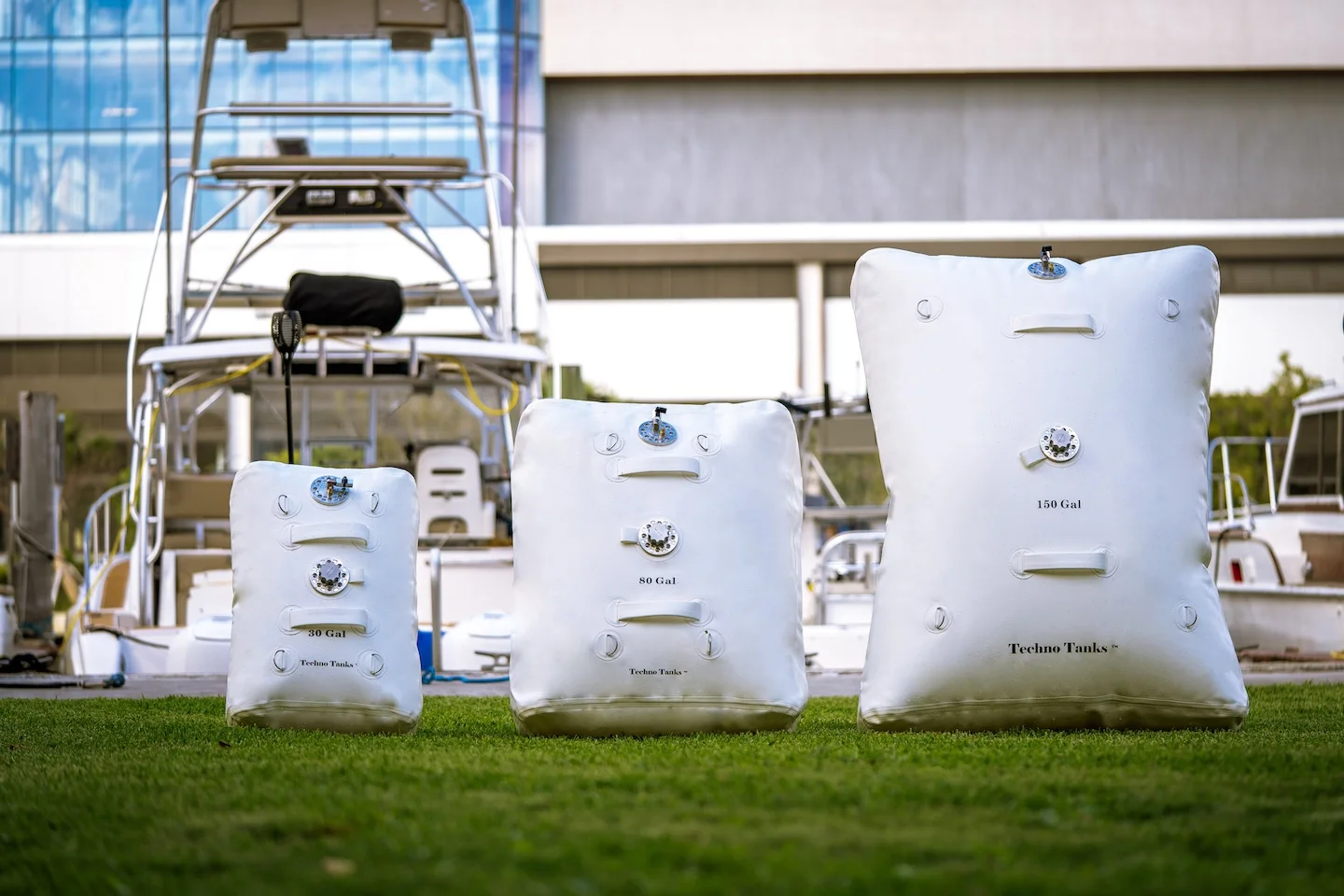 For marine professionals and enthusiasts, extending a vessel’s range or securing auxiliary fuel is a common challenge. Traditional rigid fuel tanks often present limitations in terms of space, weight, and installation flexibility.
Flexible fuel bladders, also known as collapsible fuel tanks, offer a dynamic and efficient solution to these issues. These innovative storage systems provide a practical way to store and transport diesel fuel, significantly enhancing operational capabilities for a wide array of marine applications.
This comprehensive guide will explore the multifaceted world of flexible fuel bladders. We will delve into their fundamental design and how they differ from conventional tanks, highlighting the benefits they bring to marine environments. The article will cover critical aspects such as material science, available capacities, and performance across various applications. Additionally, we will discuss essential safety and regulatory considerations, alongside best practices for maintenance and handling. Understanding these elements is key to leveraging the full potential of flexible diesel fuel bladders for enhanced marine operations.
Modern marine operations demand adaptability and efficiency, especially when it comes to fuel management. Rigid fuel tanks, while robust, often impose significant constraints. Their fixed installation can lead to challenges in weight distribution, particularly as fuel is consumed, and they permanently occupy valuable space on a vessel. This fixed footprint can limit cargo capacity, crew movement, or the installation of other essential equipment.
Flexible fuel bladders address these limitations directly. Their inherent design allows for strategic placement, enabling better weight distribution across the vessel. When empty, these collapsible fuel tanks can be rolled up or folded, reclaiming up to 90% of the space they occupied when full. This space efficiency is invaluable on any vessel, from small workboats to large yachts, where every square foot counts. For operations requiring temporary fuel storage for extended voyages, emergency response, or remote refueling, the ability to deploy and retrieve fuel capacity on demand is a game-changer.
Comparing rigid tanks and flexible fuel storage systems
The fundamental difference between rigid tanks and flexible fuel storage systems lies in their construction and inherent properties. Rigid tanks, typically made from aluminum, steel, or fiberglass, are designed for permanent installation and offer a fixed, structural solution for fuel containment. They are robust, often integrated into the vessel’s structure, and provide a high degree of protection for the fuel. However, their rigidity means they cannot adapt to changing space requirements or be easily moved. Once installed, they are a permanent fixture, impacting the vessel’s design and payload distribution for its entire lifespan.
Flexible bladder tanks, conversely, are engineered from advanced, highly durable fabric materials. They are essentially industrial-grade bags designed to safely contain fuel. This flexible nature allows them to conform to irregular spaces and to collapse when empty, offering unparalleled versatility. The choice between these two systems often comes down to specific operational needs, installation constraints, and the desired level of adaptability. For a deeper dive into the distinctions, exploring the comprehensive analysis of a fuel bladder vs fuel tank can provide valuable insights.
Below is a comparison highlighting key aspects:
Feature Rigid Steel Tanks Flexible Bladder Tanks Material Steel, aluminum, fiberglass High-strength, coated technical fabrics (e.g., TPU) Installation Permanent, structural, often welded/bolted Temporary or semi-permanent, secured with lashing Portability None (fixed) Highly portable, collapsible when empty Space Use Fixed footprint, always occupies space Flexible footprint, minimal space when empty Weight Heavier due to material construction Lighter, especially when empty Capacity Fixed volume Variable capacities, custom sizing available Corrosion Susceptible to internal/external corrosion Resistant to corrosion; material-specific compatibility Cost Higher initial installation, complex removal Generally lower initial cost, easy deployment Maintenance Internal cleaning can be difficult Easier to clean and inspect when empty and accessible Stability Impact Fixed weight distribution, can affect trim Can be positioned for better weight distribution; requires careful management when partially filled
Operational benefits of flexible fuel storage for range extension
For vessels embarking on long voyages or operating in remote locations, extended range is paramount. Flexible fuel bladders provide a direct path to achieving this by enabling significant payload optimization. Instead of being limited by the vessel’s built-in fuel capacity, operators can strategically add several hundred or even thousands of gallons of auxiliary fuel. This allows for fewer refueling stops, which can save time, reduce costs, and enhance operational independence, especially in areas where fuel supply is scarce or expensive.
Furthermore, the ability to position these bladders in different areas of the vessel allows for a degree of ballast control. While careful management is crucial to avoid stability issues (discussed later), the flexibility in placement can help maintain optimal trim and stability as fuel is consumed. This is particularly beneficial for commercial vessels or those carrying variable loads. As essential offshore fuel solutions, flexible bladders are proving indispensable for everything from commercial fishing fleets to research vessels and expedition yachts. Their versatility makes them an ideal choice for expanding the capabilities of various marine fuel bladders applications, ensuring vessels can go further and stay out longer.
Technical specifications and material engineering
The superior performance and reliability of flexible fuel bladders are rooted in advanced material science and sophisticated manufacturing techniques. The core material typically involves a high-strength fabric, often polyester, coated with a specialized polymer. For diesel fuel bladders, Thermoplastic Polyurethane (TPU) is a common choice due to its excellent resistance to hydrocarbons, abrasion, and punctures. This combination creates a material that is both incredibly strong and flexible, capable of withstanding the rigors of marine environments.
Manufacturing processes are equally critical. Radio Frequency (RF) welding is a standard technique used to create strong, leak-proof seams by melting and fusing the material layers together. This ensures the integrity of the bladder even under pressure and movement. Some manufacturers employ even more advanced methods, such as double-layer welding, which provides an additional layer of reinforcement, significantly enhancing durability and resistance to dynamic surge forces. Understanding these intricate details of fuel bladder specs is essential for selecting the right product for specific marine applications, ensuring both safety and longevity.
Material segregation and chemical compatibility
A critical aspect of flexible fuel bladder technology, and one that cannot be overstated, is material segregation and chemical compatibility. While flexible bladders are highly versatile, they are not universally compatible with all fuel types. Different fuels possess distinct chemical properties that can react adversely with certain polymers, leading to material degradation, leaks, and catastrophic failure.
Specifically, the polymer coating of the bladder must be carefully selected to match the fuel it will contain. For flexible diesel fuel bladders, Polyester TPU is typically employed due to its inherent resistance to diesel hydrocarbons. Conversely, for gasoline, a different polymer such as Polyether TPU is required. Attempting to store gasoline in a bladder designed for diesel, or vice-versa, can cause the inner lining to dissolve or degrade, compromising the bladder’s integrity and creating a severe safety hazard. This strict material segregation is vital for ensuring the safe and effective use of both diesel fuel bladders and gasoline fuel bladders, preventing dangerous chemical reactions and ensuring the longevity of the product.
Sizing, dimensions, and capacity planning
Flexible fuel bladders are available in an extensive range of sizes and capacities, from small auxiliary tanks of a few dozen gallons to massive industrial bladders capable of holding tens of thousands of gallons. This wide selection allows marine operators to choose a system that perfectly matches their specific needs, whether it’s for a weekend excursion or an oceanic crossing. For example, smaller vessels might opt for a 150-gallon bladder to extend their range for a few days, while larger commercial operations might require multiple 1000-gallon units.
When planning for capacity, it’s crucial to consider not only the desired volume but also the physical footprint of the bladder when full. While bladders are flexible, they do take on specific dimensions when filled, which must be accommodated within the vessel’s available space. Many manufacturers offer custom sizing options, allowing bladders to be fabricated to fit unique or irregularly shaped compartments on a boat or deck. This bespoke approach ensures optimal space utilization and integration into the vessel’s layout. A detailed fuel bladder sizing guide can assist in making informed decisions, taking into account factors like required volume, available space, and the specific application. For examples of commercially available options and their varying capacities, resources like Husky Fuel Bladder Tanks – Safe & Portable Diesel & Gas Storage provide a good overview of the market.
Deployment, fuel transfer, and marine safety standards
Proper deployment and fuel transfer procedures are paramount to the safe and effective use of marine fuel bladders. When deploying a bladder, it must be securely positioned on a flat, clean surface, free from sharp objects that could chafe or puncture the material. Robust lashing is essential, utilizing integrated D-rings or reinforced grommets to firmly secure the bladder to the vessel’s deck or a stable platform. This prevents movement, especially in dynamic marine conditions, and minimizes the risk of damage or spillage.
Fuel transfer from a bladder to the main fuel tanks can be accomplished through various methods. If the bladder is positioned higher than the main tank, gravity feed can be a simple and effective solution. However, for bladders placed on the same level or lower, a transfer pump is necessary. These can range from manual siphon pumps for smaller volumes to 12V or 24V electric pumps specifically designed for diesel, often equipped with explosion-proof motors for safety. It is crucial to use appropriate fittings and hoses, ensuring they are compatible with diesel and securely connected to prevent leaks. For practical guidance and detailed instructions on safe fuel handling, consulting resources on how to transfer fuel from a fuel bladder is highly recommended. Specialized fuel transfer bladders are also available, designed with specific features to facilitate efficient and safe transfer operations.
Secure deck installation and stability considerations
The secure installation of fuel bladders on a vessel’s deck is critical for safety and maintaining vessel stability, particularly in rough seas. One of the primary concerns is the “free surface effect,” which occurs when liquids in a tank are free to slosh from side to side. In an unbaffled bladder that is only partially filled, this sloshing can significantly reduce a vessel’s stability, potentially leading to dangerous rolling motions. To mitigate this, operators should aim to keep bladders either completely full or completely empty. Alternatively, bladders with internal baffles are available, which help to compartmentalize the fuel and reduce sloshing, making them a safer option for vessels that might experience varying fill levels.
Robust lashing systems are non-negotiable. Bladders must be secured at multiple points using strong tie-downs attached to the vessel’s structural elements. Anti-chafe protection should be used at all contact points to prevent wear and tear on the bladder material, especially during prolonged use or in adverse weather. For specific applications and considerations for fuel bladder for boats, understanding these installation nuances is key.
When considering auxiliary fuel storage, it’s beneficial to review various options and best practices. For instance, Marine Fuel Bladders for Boat and Vessel Fuel Storage tanks offer insights into different designs and their secure deployment.
Regulatory compliance and environmental safety
Adherence to regulatory standards is paramount when using flexible fuel bladders in marine environments. In the United States, the U.S. Coast Guard (USCG) has specific guidelines regarding fuel storage on vessels. Generally, temporary or auxiliary fuel bladders are not permitted for permanent installation below deck due to concerns regarding proper ventilation, fire safety, and potential for spills in enclosed spaces. They are typically intended for above-deck use, where adequate ventilation and accessibility for inspection and spill response are maintained.
Beyond vessel-specific regulations, environmental protection is a major consideration. For larger capacities or land-based temporary fuel farms, regulations such as the Spill Prevention, Control, and Countermeasure (SPCC) rule and various Environmental Protection Agency (EPA) guidelines may apply. These regulations often mandate the use of secondary containment systems, such as berms or trays, to capture any potential leaks or spills and prevent environmental contamination. Such measures are crucial for protecting sensitive ecosystems and ensuring responsible fuel management. A comprehensive resource like the complete guide to marine bladder tanks and storage can provide detailed information on these complex regulatory landscapes. Furthermore, whitepapers and executive summaries from industry leaders, such as the Executive Summary – Western Global, often highlight the importance of robust design and deployment practices to meet global safety and environmental standards.
Cost-benefit analysis and procurement decisions
When evaluating flexible fuel bladders, a thorough cost-benefit analysis is essential. The initial capital expenditure for a flexible bladder is often significantly lower than that of fabricating and installing a new rigid tank of equivalent capacity. This makes them an attractive option for vessels needing to expand fuel capacity without undertaking major structural modifications. However, the overall value proposition extends beyond just the purchase price.
The operational lifespan of a fuel bladder, typically ranging from 5 to 15 years depending on material, usage, and maintenance, contributes to its long-term cost-effectiveness. The Return on Investment (ROI) can be realized through various avenues: reduced fuel costs by purchasing in bulk, fewer refueling stops saving time and operational expenses, and the flexibility to operate in remote areas without reliable fuel infrastructure.
fuel bladder pricing is not fixed. It varies based on several factors, including the bladder’s size, the specific fuel type it’s designed for, configuration (e.g., baffled or unbaffled), intended application, and any custom requirements. For accurate pricing tailored to specific fuel storage, transfer, sizing, and use-case needs, buyers should always request a detailed quote. This also applies to custom fuel bladders, which offer bespoke solutions for unique vessel layouts or operational demands.
Long-term value and lifecycle costs
Maximizing the long-term value of a flexible fuel bladder involves diligent maintenance and proper storage. Regular inspection for signs of wear, abrasion, or minor damage is crucial. Small punctures can often be repaired on-site using specialized repair kits, extending the bladder’s life. When not in use, bladders should be thoroughly drained, cleaned, dried, and stored in a cool, dark, and well-ventilated area, away from direct sunlight and extreme temperatures. This prevents material degradation from UV exposure and hydrolysis stabilizers, which, despite being incorporated into the material, can still be affected by harsh environmental conditions over time.
By adhering to these best practices, operators can ensure their investment provides reliable service for many years, translating into significant lifecycle cost savings compared to the ongoing expenses associated with less flexible fuel solutions. The comprehensive benefits and proven reliability of these systems are why many marine professionals choose advanced solutions for their bulk liquid storage needs. Exploring resources like why you should use Techno Tanks and marine fuel bladder for marine bulk liquids can further illustrate this long-term value. For any specific inquiries or to discuss tailored solutions, it is always advisable to contact us directly.
Frequently asked questions
Understanding the nuances of flexible fuel bladders is crucial for safe and effective marine operations. Here are answers to some common questions regarding marine compliance, fuel compatibility, and stability management.
Can a single flexible bladder be used interchangeably for diesel and gasoline?
No, a single flexible bladder cannot be used interchangeably for diesel and gasoline. This is a critical safety point due to the fundamental differences in chemical compatibility between the fuels and the bladder materials. As discussed in the section on material segregation, diesel fuel bladders are typically constructed with Polyester TPU, while gasoline bladders require Polyether TPU. Using an incompatible fuel can lead to rapid polymer degradation, compromising the bladder’s integrity and posing severe risks of leaks, spills, and fire. Always ensure the bladder is specifically rated for the intended fuel type. For detailed information on specific fuel types, refer to resources on diesel fuel bladders.
What are the Coast Guard regulations regarding below-deck bladder installation?
In the United States, U.S. Coast Guard (USCG) regulations generally do not permit the installation of temporary or auxiliary fuel bladders below deck for non-permanent applications. The primary concerns revolve around adequate ventilation, fire safety, and the ability to detect and contain fuel spills in enclosed spaces. For these reasons, flexible fuel bladders are typically intended for above-deck use, where they can be properly secured, vented, and easily accessed for inspection and emergency response. Always consult the latest USCG regulations or local maritime authorities for specific compliance requirements.
How do you prevent fuel sloshing and stability issues in rough seas?
Preventing fuel sloshing and maintaining vessel stability in rough seas when using flexible bladders requires careful management. The primary strategies include:
- Baffled bladders: Opting for bladders equipped with internal baffles helps to compartmentalize the fuel, significantly reducing the free surface effect and minimizing sloshing.
- Full or empty principle: As a best practice, strive to keep bladders either completely full or completely empty. Partially filled, unbaffled bladders are most prone to severe sloshing, which can negatively impact stability.
- Robust lashing systems: Ensure the bladder is secured with a comprehensive and robust lashing system that prevents any significant movement or shifting, even in extreme conditions. This distributes forces evenly and keeps the bladder firmly in place.
Conclusion
Flexible fuel bladders represent a significant advancement in marine fuel management, offering unparalleled operational flexibility and range extension capabilities for a diverse array of vessels. Their ability to provide auxiliary fuel capacity without the permanent commitment of rigid tanks, coupled with their space-saving collapsible design, makes them an invaluable asset for modern marine operations.
From enhancing payload optimization and aiding in ballast control to providing critical fuel solutions for offshore voyages and emergency scenarios, the benefits are clear. However, realizing these advantages hinges on informed procurement decisions, strict adherence to material compatibility for specific fuels, meticulous deployment, and diligent maintenance practices. As the marine industry continues to evolve, the strategic integration of flexible fuel bladders will undoubtedly play an increasingly vital role in empowering vessels to navigate further, operate more efficiently, and meet the dynamic challenges of the open water.