

How card readers for small businesses improve sales efficiency
Sponsored content. This article was supplied by a third party and Business Money has been paid to publish it.
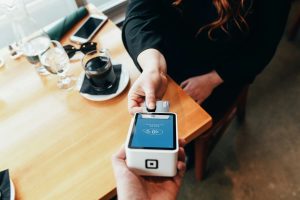 Running a small business means every transaction counts. Not just financially, but in terms of time, customer trust, and how smoothly your day runs. If you’re still cash-only or wrestling with a clunky payment setup, you’re probably losing sales you don’t even realise you’re losing.
Card payments aren’t just a convenience for your customers. They change how your whole operation moves.
More customers actually buy
People carry less cash than they used to. That’s just how people shop now. When someone browsing your market stall or your shop counter reaches for their wallet and finds only a card, your ability to accept that payment is the difference between a sale and an awkward shrug.
Contactless payment through NFC technology means tapping a phone or card takes two seconds, and that friction-free experience keeps the queue moving, especially during busy periods.
If you’re figuring out which setup suits your business, a good starting point is reading a hands-on comparison of card readers for small business from people who’ve put them through their paces.
Options like Square POS, Stripe Terminal, and mobile payment card readers each suit different setups. A market trader and a café don’t have the same needs, and the hardware should reflect that.
Your sales data actually becomes useful
A card reader connected to a POS system gives you something cash never could: a clear record of what sold, when, and how much. Knowing your busiest hours, your top-selling products, and which payment methods your customers prefer lets you make decisions based on your own numbers rather than gut feeling.
Tracking and reporting through a POS app also feeds into cash flow planning. If Fridays are consistently strong and Mondays are slow, you can plan your staffing and stock accordingly. That kind of visibility adds up over months in ways that are easy to underestimate at first.
Payment processing gets faster, and that matters
There’s a real cost to slow checkouts. Customers waiting in line will leave. Some won’t come back. A payment terminal that handles tap and dip payments, EMV chip cards, and digital wallets without stalling keeps things moving at the pace people expect.
Transaction processing speed has improved considerably in recent years. Modern readers handle the back-and-forth with the payment gateway quickly, so the time from card to receipt is measured in seconds. Receipt printing, whether physical or emailed, also gives customers a paper trail they trust.
Security is part of the deal
Taking card payments means taking fraud protection seriously. PCI compliance isn’t just bureaucratic overhead; it’s the baseline that protects both you and your customers.
If you’re unsure what to look for, GoSmallBusiness.co.uk covers security requirements alongside the practical specs, which is useful when you’re comparing readers and don’t want to wade through technical jargon alone. Solid card reader setups come with encryption technology built in, meaning card data isn’t stored raw on your device.
EMV chip cards are far harder to clone than magstripe cards, and contactless limits add another layer for low-value purchases. Security and fraud protection built into your payment system is something customers notice indirectly.
They may not know the technical details, but they trust businesses that handle their cards without any drama. Losing that trust once is an expensive lesson.
The checkout experience shapes how customers feel about you
When payment is quick and painless, the interaction ends on a positive note. Mobile wallets, gift cards, loyalty programme integration—these aren’t extras anymore. They’re part of what a customer compares you against the next time they’re choosing between you and a competitor nearby.
Some POS systems also support inventory management and barcode scanning alongside payment processing, which means your payment terminal is doing more than just taking money. It’s updating stock levels in real time, which matters when you’re running a tight operation and can’t afford to oversell.
Mobile payments work wherever you trade
Not every small business operates from a fixed counter. If you do farmers’ markets, events, home visits, or pop-up stalls, mobile payment card readers are worth taking seriously. A Bluetooth Low Energy connected reader paired with a smartphone gives you full card payment capability without needing a fixed till.
Cellular service and battery life matter here more than they might seem. A reader that dies halfway through a busy Saturday is worse than no reader at all, so it’s worth checking hardware warranty terms and battery specs before you commit to anything.
Small frictions add up
There’s a version of small business growth that comes from big decisions: new staff, new premises, new product lines. But there’s also a quieter version that comes from cutting the small frictions that bleed you a few sales every day.
Accepting card payments reliably is that kind of change. It won’t feel dramatic the first week. It shows up in the numbers over time, and in fewer customers walking away because they didn’t have cash on them.
When weighing up your options, compare transaction fees honestly against your average sale size, check what customer support looks like when something goes wrong, and pick hardware that fits how you trade. Not how you imagine you’ll trade once things get busier, but how you trade right now.