

6 things a vehicle history report can tell you that the seller won’t
Sponsored content. This article was supplied by a third party and Business Money has been paid to publish it.
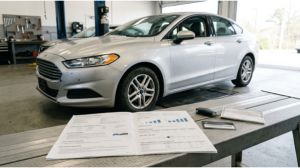 Sellers aren’t always lying to you. Most of the time they’re just not saying much, and there’s a real difference between the two. A report fills in exactly what gets left out, on purpose or not.
Bought a car once where the seller swore it had “one owner, garage kept, nothing ever happened to it.” The report told a different story within about thirty seconds. Not a scam exactly, he’d bought it from someone who never mentioned the accident either. Here’s what a report actually digs up that a conversation alone never will.
The real number of owners
One owner” is one of those phrases sellers love dropping like it ends the discussion. And sure, sometimes it’s the truth. Other times, they mean one owner since they bought it, and they just leave out the three owners before them.
That’s where a report comes in handy, it lays out the actual chain, every owner, roughly when each transfer happened. And if you spot a bunch of quick flips bunched up in a short window, that usually means something’s going on, even if nobody wants to explain what. A Cheap Carfax Report is usually the fastest way to pull that full ownership chain, instead of relying on whatever the current seller happens to know or remember. Doesn’t prove a problem by itself, three owners in two years, but it’s a pattern you’d want to ask about.
Accidents the seller genuinely might not know about
This one surprises people. Not every seller is hiding something. Plenty just don’t know their own car’s full history, especially if they bought it, used it themselves and took the previous owner’s word for it.
The report pulls insurance claims, police reports, and repair shop data that go back further than most sellers ever bothered checking. A moderate accident from six years ago, professionally repaired, might never come up in casual conversation simply because the current owner never thought to look.
Repair shops don’t always report back to the same database either, which is part of why two reports from two different providers can occasionally show slightly different pictures. Worth pulling more than one if something about the car feels off despite a clean first report. It costs a little more, sure, but it’s still nothing compared to missing a real accident history because one database happened to be a step behind on updating its records.
Title problems hiding behind a clean sounding story
“It’s got a clean title” gets said a lot, and it’s often technically true while still missing the point entirely. A title can look clean on the current paperwork while an older branding, salvage, flood, rebuild, sits buried a few states back in the chain.
States don’t always share this information smoothly with each other. A car totaled and rebuilt in one state can end up with a fresh, clean looking title somewhere else. The report cross references across states in a way a seller reading their own glovebox paperwork simply can’t.
Whether the mileage actually makes sense
Sellers rarely lie about mileage on purpose, most of the time it’s whatever the odometer says, no deeper thought involved. But odometers get rolled back, and sometimes the person selling you the car has no idea it ever happened, several owners ago.
A report tracks recorded mileage at every title transfer, inspection, and service visit. Steady increases over time look normal. Gaps, or numbers that drop instead of climb, don’t. This is one of the harder things to catch just by talking to someone, since the seller’s often repeating information they never questioned themselves.
A seller with nothing to hide won’t mind you checking. One who suddenly can’t find any paperwork at all, on a car they claim to have owned for years, is telling you something even if they don’t mean to.
Whether it was ever used commercially
A car that spent two years as a rental, a rideshare vehicle, or part of a delivery fleet gets driven very differently than a personal car, usually harder and with less consistent maintenance between drivers.
Sellers don’t always mention this, sometimes because they bought it privately after its fleet life ended and never asked. A report flags fleet or rental use directly, which matters a lot for wear on things like the transmission and suspension that don’t always show up during a quick test drive.
Lease history is worth a mention too, people forget cars come off leases all the time. A leased car usually gets driven within mileage limits and serviced on schedule, since the leasing company has its own reasons to keep it that way. Not automatically a bad thing, actually often the opposite. But it’s another piece of the puzzle a seller might not think to bring up, simply because it never occurred to them it mattered.
Open recalls nobody got around to fixing
This one’s less about honesty and more about nobody checking in the first place. Recalls don’t expire, and they don’t announce themselves with a warning light. A car can carry an open safety recall for years, passing through several owners, none of whom thought to look.
The report often flags this alongside the rest of the history, though it’s worth double checking directly against the manufacturer’s own recall database too, since that data is updated more frequently. Either way, it’s information the seller likely doesn’t have sitting in their head, simply because there was never a reason for them to go looking.
What the report won’t tell you
Worth saying plainly, a report isn’t complete on its own. It won’t catch a bad transmission that hasn’t thrown a code yet, or tell you how the previous owner actually drove the thing day to day. Pair it with a real inspection and an honest conversation, not just a printout you skim once and forget about. The report narrows down what to ask. It doesn’t replace asking.
Why this changes the conversation
None of this means every seller’s hiding something shady. Most aren’t. But a report gives you facts instead of secondhand impressions passed down from owner to owner, each one a little less accurate than the last. Running a Cheap Carfax Report before you go look at the car takes a few minutes and costs less than you’d spend on gas getting there.
Pull the report before you fall in love with the car, not after you’ve already talked yourself into it. Bring specific findings to the seller, skip the vague stuff, because a seller who honestly didn’t know is usually relieved to find out too. This isn’t about catching a liar. It’s about knowing the full picture before you end up telling it to the next buyer down the road.