

Live silver price: Understanding market rates and what influences them
Sponsored content. This article was supplied by a third party and Business Money has been paid to publish it.
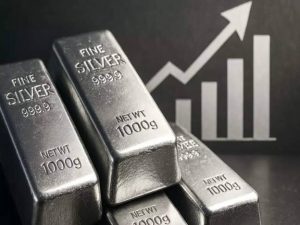 Silver is a valuable precious metal with applications across jewellery, investment, electronics, solar energy, and manufacturing. Its combination of investment appeal and industrial usefulness makes it an important commodity in global markets. Monitoring the live silver price helps investors, buyers, jewellers, and businesses understand current market conditions before making purchasing decisions.
Silver prices can move up or down throughout the trading day as market participants react to economic developments, currency fluctuations, supply conditions, and changes in demand. Learning what drives these movements can help people compare prices, assess the cost of silver products, and better understand the precious metals market.
What is the live silver price?
The live silver price represents the current market value of silver, typically expressed in US dollars per troy ounce. A troy ounce weighs approximately 31.1035 grams and is the standard measurement used when pricing many precious metals.
Silver does not maintain a constant market value. Its price changes in response to trading activity, economic announcements, investor expectations, and developments in industries that depend on the metal.
People interested in current market rates can explore resources that publish updated silver pricing and historical market information. Checking the live silver price provides a useful reference when researching silver bars, bullion coins, and other products made from precious metals.
It is important to remember that the market price and the final retail price are different. Physical silver products usually cost more than the value of the metal alone because dealers include premiums and other relevant expenses.
How silver prices are measured
Silver is commonly priced by the troy ounce, although prices may also be displayed per gram or kilogram. These different measurements allow buyers to compare products of various sizes and quantities.
One troy ounce is equivalent to approximately 31.1035 grams. To estimate the market value of a particular amount of silver, buyers can convert the weight into troy ounces and multiply it by the current quoted price.
Purity is another important consideration. Fine silver marked .999 contains 99.9% silver, making it a common choice for investment bars and certain bullion products. Jewellery and other silver items may contain additional metals to improve durability and resistance to everyday wear.
When evaluating a silver product, buyers should consider its total weight, silver purity, current market value, and any additional charges. These details help provide a more accurate understanding of what the product is worth.
Key factors that influence silver prices
Several economic and market-related factors influence silver prices. Changes in industrial consumption, investment demand, currency values, and mining production can all contribute to price movements.
1. Industrial demand
Silver plays an important role in electronics, electrical equipment, solar panels, and various manufacturing processes. Its excellent electrical conductivity makes it useful in applications where efficient electrical performance is essential.
When industrial production expands, demand for silver may increase as manufacturers require more of the metal. Growth in renewable energy installations can also support demand, particularly where silver is used in photovoltaic technology.
However, industrial demand can change when manufacturers develop alternative materials or reduce the amount of silver required for production. These developments may influence the balance between supply and demand over time.
2. Inflation and interest rates
Inflation and interest rates can affect how investors view silver as an asset. During periods of rising prices, some investors consider precious metals as a way to diversify their holdings or protect purchasing power.
Interest rates can also influence investment decisions. When savings accounts and interest-bearing investments offer higher returns, some investors may prefer those options over silver, which does not generate regular income.
When interest rates decline, precious metals may become more attractive to certain investors. Nevertheless, silver prices do not always respond in the same way because market expectations and broader economic conditions also play important roles.
3. US dollar movements
The international silver market generally quotes prices in US dollars. As a result, changes in the dollar’s value can influence purchasing costs for buyers using other currencies.
A stronger dollar can make silver more expensive for international buyers, potentially affecting demand. A weaker dollar may reduce the cost for buyers whose currencies have strengthened against it.
Exchange rates are especially important when comparing international silver prices with local retail prices. Even if the global market price changes only slightly, currency fluctuations can affect the amount customers pay in their own currency.
4. Mining supply and recycling
The amount of silver available in the market also influences its price. Silver comes from dedicated silver mines, mining operations focused on other metals, and the recycling of existing silver products.
Mining disruptions, higher production costs, or reduced output may restrict supply. If demand remains strong during such periods, prices may experience upward pressure.
Recycling can provide an additional source of silver and help meet market requirements. The relationship between newly mined silver, recycled material, and overall consumption contributes to changes in market conditions.
Silver spot price vs retail price
The spot price and retail price serve different purposes when evaluating silver. The spot price is the market reference for silver traded for near-immediate delivery, while the retail price is the amount a customer pays to purchase a finished product.
Silver bars, coins, and rounds often carry a premium above the spot price. This additional amount can cover refining, manufacturing, packaging, transportation, distribution, and the dealer’s operating costs.
Some collectible coins may command even higher premiums because of their rarity, condition, or popularity among collectors.
Buyers should also understand the difference between bid and ask prices. The bid price represents what a buyer or dealer is willing to pay for silver, while the ask price represents the amount at which it is offered for sale. The difference between these figures is known as the spread.
Comparing both prices and checking the dealer’s buying and selling policies can help buyers estimate the overall cost of owning silver.
How to track live silver prices
Following silver market movements can help buyers compare offers and understand changes in the metal’s value. A consistent approach makes price information easier to interpret.
- Check current market quotations: Review reliable precious metals resources to find the latest available silver price.
- Use consistent measurements: Compare prices using the same weight unit, whether grams, troy ounces, or kilograms.
- Study historical movements: Review price charts across different periods to understand broader market trends.
- Compare retail premiums: Examine the difference between the spot price and the final cost of individual silver products.
- Monitor currency exchange rates: Consider the effect of the US dollar exchange rate when calculating costs in another currency.
- Review resale conditions: Check how dealers calculate buyback prices and whether additional fees apply when selling silver.
The live silver price is a useful reference when assessing the value of physical silver. Comparing the market quotation with the final retail price can help buyers understand product premiums and identify the costs involved in a potential purchase.
Is silver a good investment?
Silver can be an option for people interested in precious metals and portfolio diversification. Its industrial applications distinguish it from assets whose demand is primarily driven by investment activity.
Nevertheless, silver is not a risk-free investment. Prices can fluctuate considerably because of economic uncertainty, changing industrial requirements, currency movements, and shifts in investor sentiment.
Physical silver also involves practical considerations, including secure storage, insurance, transaction fees, and the difference between buying and selling prices. These expenses can affect an investor’s overall return.
Before investing, individuals should consider their financial goals, available funds, risk tolerance, and intended holding period. Comparing different investment options and understanding the potential for losses can support more informed decisions. Historical price performance should not be treated as a guarantee of future results.
Conclusion
The live silver price offers an important reference for understanding the market value of silver and following changes in the precious metals industry. Factors such as industrial consumption, mining output, inflation, interest rates, and currency movements can all affect the price.
Understanding how silver is measured, how retail premiums work, and why market quotations fluctuate allows buyers to evaluate products more effectively. Whether purchasing silver for jewellery, manufacturing, collecting, or investment purposes, checking reliable pricing information and considering the full cost of a transaction can help support better-informed decisions.