

Escape the grid: How solar energy unlocks the freedom of off-grid living
Introduction

Credit: Unsplash
Imagine waking up in a peaceful cabin nestled in the mountains, surrounded by nothing but nature, with no loud noises, no rush, and no bills for electricity. What if you could live this dream without worrying about expensive power bills or reliance on utility companies? What if you could escape the grid entirely?
Off-grid living is a growing trend, where individuals and families choose to live independently of traditional electricity sources. Solar energy is one of the most popular and accessible ways to make off-grid living possible, and in today’s world, it’s more affordable and practical than ever.
This blog post will explore how solar energy is transforming off-grid living, why it’s an excellent choice for those seeking independence, and how you can finance your off-grid solar setup to make your dream a reality.
What does off-grid living really mean?
Off-grid living refers to a lifestyle where a home or property operates without direct connection to public utility services like electricity, water, or sewage. People who choose to live off the grid typically generate their own power, collect their own water, and manage their waste independently. It’s a lifestyle driven by sustainability, self-sufficiency, and a desire to reduce dependence on modern infrastructure.
While off-grid living can seem daunting to some, it offers the unique opportunity to live in harmony with nature, reduce environmental impact, and even cut costs. Solar energy plays a crucial role in making off-grid living possible because it provides a clean, renewable energy source that can power homes, appliances, and even entire farms, all without the need for a connection to the power grid.
Why solar energy is perfect for off-grid living
Solar energy is the ideal power source for off-grid living for several reasons:
Abundant and renewable energy source
Solar energy harnesses the power of the sun, which is an unlimited and renewable energy source. Unlike fossil fuels, solar energy is clean, sustainable, and available every day. For off-grid living, solar panels are a perfect match because they can generate power in remote locations, where access to the grid may be unavailable or impractical.
Energy independence
One of the main benefits of off-grid living is the ability to become fully self-sufficient. Solar panels allow you to generate your own electricity, reducing your reliance on external energy sources. Once you install your solar system, you won’t need to worry about paying monthly electricity bills or dealing with utility company price hikes. Solar energy lets you take control of your energy consumption.
Low maintenance and durability
Solar panels are low-maintenance systems that can last for decades. With proper care, a typical solar panel system will operate efficiently for 25 years or more. Unlike traditional generators or other power sources that require constant upkeep, solar systems are remarkably durable and require minimal intervention. This makes them ideal for off-grid living, where access to regular maintenance or repairs may be limited.
Off-grid power storage
Credit: Unsplash
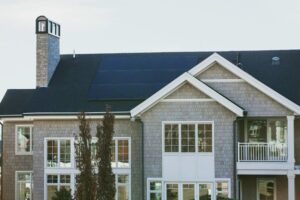
Pairing solar panels with battery storage systems allows you to store excess power for use when the sun isn’t shining. This is essential for off-grid living, as you may not always have access to daylight. Solar batteries store energy collected during the day and provide power at night or during cloudy periods, ensuring you have a continuous energy supply. With advanced battery technology, energy storage has become more efficient and affordable than ever before.
How solar energy can make your off-grid dream a reality
When it comes to setting up an off-grid solar energy system, the process is relatively straightforward, though it requires careful planning. Here’s how solar energy can help you achieve off-grid living:
Understanding your power needs
Before installing a solar power system, it’s important to assess your energy consumption. How much power do you use daily? What appliances or devices will you need to run off your solar system? Off-grid homes typically have a smaller energy demand than traditional homes, but it’s essential to calculate your daily energy needs to ensure you install the right-sized solar system. Factors to consider include:
Choosing the right solar system for off-grid living
There are several components to an off-grid solar system:
Solar panels
These are the heart of your system, capturing sunlight and converting it into usable electricity.
Charge controller
This device regulates the flow of electricity from the solar panels to the battery, preventing overcharging.
Batteries
Off-grid solar systems require batteries to store excess power for later use. The size of the battery bank will depend on how much energy you need to store.
Inverter
This converts the direct current (DC) electricity generated by your solar panels into alternating current (AC) electricity, which is used to power household devices.
Each of these components plays a vital role in ensuring that your off-grid home has reliable and consistent power.
Sizing your system for maximum efficiency
Sizing your solar energy system involves determining the number of solar panels and batteries required to meet your needs. Your power usage, combined with the number of daylight hours in your location, will influence the size of the system. Working with a professional solar installer can help you get the right setup for your specific needs and ensure you have enough energy to live comfortably off the grid.
Off-grid solar panel financing options
While the initial cost of setting up an off-grid solar system can be significant, the good news is thatyour solar setup can be financed. Many people assume that going off the grid is too expensive, but with solar energy, the long-term benefits often outweigh the upfront costs.
Here are some financing options to consider:
Solar loans
Solar loans allow you to finance the cost of installing solar panels. These loans can be paid off over time with fixed monthly payments, similar to a traditional mortgage. Solar loans typically offer competitive interest rates, and some may have no upfront costs.
Leasing or power purchase agreements (PPAs)
If you’re unable to secure a solar loan, leasing or entering into a PPA agreement might be a viable option. With a lease, you pay a fixed monthly fee for the use of the solar panels, while PPAs allow you to purchase the power generated by the panels at a discounted rate. Both options can allow you to go solar without paying for the full installation upfront.
Incentives and rebates
Many governments offer incentives to encourage the adoption of solar energy. These incentives can help offset the installation costs, making off-grid living more affordable. Be sure to research available federal, state, and local incentives to see if you qualify for any programs that can help reduce the financial burden.
Personal savings or home equity
If you have savings or equity in your home, you may choose to pay for your solar system outright. While this requires a larger initial investment, it also allows you to avoid interest payments and fully own your solar system from day one.
The long-term benefits of solar-powered off-grid living
While setting up an off-grid solar system requires an initial investment, the long-term benefits are substantial. Here’s why it’s worth considering:
Reduced energy costs
Once your solar system is up and running, you’ll no longer need to pay monthly electricity bills. In fact, depending on your setup, you could even generate more power than you consume, allowing you to sell the excess back to the grid (if applicable). This means that not only are you saving on electricity, but you could also have an income-generating asset.
Sustainability and environmental impact
Solar energy is one of the cleanest forms of energy available. By transitioning to solar-powered off-grid living, you reduce your carbon footprint, minimize reliance on fossil fuels, and contribute to a more sustainable future for everyone.
Greater control and independence
With off-grid solar energy, you take control of your energy production. You are no longer at the mercy of rising electricity costs or service outages. This independence is especially valuable for those living in remote locations or those who simply want to live off the beaten path.
Conclusion: Your path to freedom begins with solar energy
Living off the grid doesn’t mean giving up comfort or convenience. With solar energy, you can unlock the freedom to live independently, reduce your carbon footprint, and take control of your energy consumption. Whether you’re looking to escape the noise of the city or seeking a more sustainable way of life, solar-powered off-grid living is a smart choice that’s becoming increasingly accessible.
With financing options available and various incentives to make the transition more affordable, there’s never been a better time to invest in solar energy. If you’re ready to break free from the grid and embrace a lifestyle of self-sufficiency, solar energy is the key to turning your off-grid dreams into reality.
So, why wait? Harness the power of the sun, and take the first step towards your off-grid future today.