

Why waste is big business right now
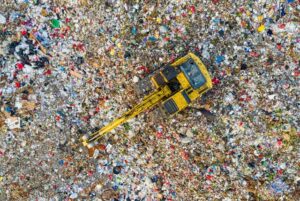
Photo by Tom Fisk
In a world awash with disposable coffee cups and single-use packaging, it might seem odd to celebrate rubbish. Yet the waste sector is booming, attracting investors, innovators and policymakers in equal measure. From landfill levies to circular economy pledges, the humble bin has never been more central to boardroom strategy. Here is a newsy yet informal dispatch on why waste management has graduated from back-street bins to big league business.
Rising revenue streams
Recent figures show the UK waste management market topping £12 billion annually, with growth projected at around 3 per cent each year. Recycling fees, landfill tax and the rise of energy-from-waste facilities have all played a part. Municipal councils pay hefty levies to divert rubbish from landfills, while commercial clients increasingly outsource their refuse handling to specialist firms. The result is a revenue stream that few sectors can rival for sheer resilience.
The circular economy drive
Governments and businesses are now talking about circularity rather than linear consumption. Under this model, materials are kept in use for as long as possible, and valuable resources are recovered at end of life. Major brands pledge to use recycled content in their packaging and even offer take-back schemes for old products. This shift puts waste managers centre stage, as they not only collect but also sort, process and re-introduce materials into manufacturing chains. The message is clear: waste is no longer a problem to be discarded, but an opportunity to be captured.
Tech trumps trash
Innovation in waste management has accelerated, with robotics, artificial intelligence and Internet of Things solutions making sorting and processing more efficient. Smart bins equipped with sensors report fill levels in real time, reducing vehicle miles and carbon emissions. Optical sorters in recycling plants now identify materials with pinpoint accuracy, boosting recovery rates. Entrepreneurs are also exploring waste-to-energy innovations, turning organic refuse into biogas for heat and power. In this tech-driven landscape, the player with the smartest solution stands to reap the greatest rewards.
Glossary gains
As the sector becomes more complex, a solid grasp of terminology is essential. Resources such as the CurbWaste Glossary helps professionals navigate terms like anaerobic digestion, source-segregation and refuse-derived fuel. Having a common language not only aids compliance with regulation, but also fosters clearer communication between hauliers, waste facilities and end users. In other words, knowing your RDF from your MRF could make all the difference when pitching for a lucrative municipal contract.
Regulatory tailwinds
Tighter regulations on single-use plastics, escalating landfill taxes and ambitious recycling targets are forcing both public and private sectors to up their game. The UK government’s recent consultation on extended producer responsibility means that manufacturers will soon bear the full cost of packaging waste. This change is likely to funnel more business towards waste management firms tasked with collection and processing, reinforcing the sector’s upward trajectory.
Future forecast
Looking ahead, the opportunities are manifold. Urban mining, the process of extracting valuable materials from waste streams, promises new revenue lines. Meanwhile, green finance mechanisms such as sustainability-linked loans reward companies for meeting recycling and emissions targets. With global waste projected to rise by 70 per cent by 2050, the smart money is on those who can turn yesterday’s trash into tomorrow’s treasure.
Conclusion
From policy pressures to technological breakthroughs, waste management has morphed into a dynamic, profitable industry. What was once considered mere refuse is now rebranded as resource, with every tonne of material representing a potential revenue stream. In short, the bin of the future is not a place to hide rubbish, but a treasure chest waiting to be unlocked.