

Why pop-up shop rentals are changing the face of retail
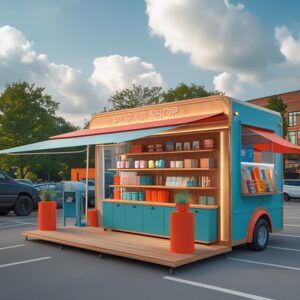 The retail world is changing, and pop-up shop rentals are leading the way. These short-term stores are shaking up how brands connect with customers, try out new markets, and create cool shopping experiences. As regular stores face challenges, pop-ups offer a flexible and creative solution that’s catching the eye of both businesses and shoppers. Pop-up shops aren’t just a passing trend – they’re a big shift in how retail works, meeting the need for quick changes and exciting marketing in a competitive market.
Key takeaways:
- Pop-up shops are flexible in where they can go and how long they stay, letting brands test markets with less risk.
- These temporary spaces are a cost-effective way to enter markets and create unique brand experiences.
- Pop-ups are great for testing products and doing real-time market research.
- New designs, including mobile and themed pop-ups, are changing how people shop.
- Pop-up shops help connect online and offline shopping experiences.
- Challenges include picking locations, get permits, and handling logistics.
- The future of pop-ups involves new tech, being eco-friendly, and more social media use.
Pop-up shops are temporary stores that run for a short time, from one day to a few months. They let brands create short, immersive experiences that engage customers in ways regular stores often can’t. This isn’t just a fad; it’s reshaping retail and giving new chances to businesses of all sizes. Pop-up shops offer a special mix of exclusivity, urgency, and cool experiences that modern shoppers love.
Let’s explore why pop-up shop rentals are becoming a game-changer in retail and how they’re meeting the changing needs of both brands and customers. From boosting brand visibility to providing valuable market insights, pop-up shops are proving to be a versatile tool for modern retailers.
The evolution of retail: From traditional stores to pop-up experiences
Retail has come a long way from simple markets and general stores. As shoppers’ preferences and technology have changed, so have the ways businesses sell their products. The rise of online shopping in the late 20th and early 21st centuries was a big change, challenging physical stores. This digital shift made retailers rethink their strategies and adapt to a world where people could shop from home.
However, the pendulum is swinging back towards physical retail experiences, but in a new and innovative way. Pop-up shops are leading this retail revolution, offering a mix of the hands-on experiences of traditional stores with the flexibility and novelty that modern shoppers want. This hybrid approach combines the best of both worlds, letting customers interact with products in person while keeping the agility and trendiness of online brands.
This shift towards experiential marketing has been driven by several factors:
- Shoppers want unique and memorable shopping experiences that are more than just buying things
- Brands need to stand out in a crowded market and create emotional connections with customers
- The rise of social media and “Instagram-worthy” moments, driving people to seek out shareable experiences
- The flexibility of short-term retail spaces, letting brands try different locations and ideas
- The growing importance of storytelling in brand marketing, with pop-ups serving as three-dimensional stories
- The increasing preference for locally curated and limited-edition products, which pop-ups can showcase well
Pop-up shops address these factors by creating temporary, often themed environments that encourage customers to engage with brands in new and exciting ways. They offer a level of interactivity and personalization that traditional stores and online shopping can’t always match. By creating a sense of urgency and exclusivity, pop-ups tap into the psychology of FOMO (fear of missing out), driving foot traffic and social media buzz.
Advantages of pop-up shop rentals for brands
Pop-up shop rentals offer many benefits for brands, making them an attractive option for businesses of all sizes. Let’s explore some of the key advantages:
Flexibility in location and duration
One of the biggest benefits of pop-up shops is their flexibility. Brands can choose prime locations that might otherwise be too expensive or unavailable for long-term leases. This flexibility allows businesses to:
- Test different markets without long-term commitments, reducing financial risk
- Take advantage of seasonal trends or events, like holiday shopping or music festivals
- Reach customers in busy areas, including popular shopping districts or transportation hubs
- Try out various store layouts and designs to optimize customer flow and engagement
- Follow target demographics as they move or travel, ensuring maximum exposure
- Quickly respond to market opportunities or competitor movements
The ability to set up shop for a limited time also creates a sense of urgency among consumers, encouraging them to visit before the pop-up disappears. This scarcity principle can drive sales and create buzz around the brand or product.
Cost-effective market entry
Pop-up shop rentals provide a cost-effective way for brands to enter new markets. The reduced overhead compared to traditional retail spaces allows businesses to:
- Minimize financial risk when exploring new product lines or locations
- Put more resources into marketing and customer experience, enhancing brand perception
- Test the viability of physical retail without long-term lease commitments
- Scale operations up or down quickly based on demand and performance metrics
- Avoid costly renovations and long-term maintenance associated with permanent stores
- Invest in high-quality, temporary fixtures that can be reused in multiple locations
This cost-effectiveness is particularly helpful for startups and small businesses looking to establish a physical presence without breaking the bank. It also allows larger brands to experiment with new concepts or product lines without the financial burden of a permanent store.
Unique brand experiences
Pop-up shops offer brands the chance to create immersive and memorable experiences for their customers. These unique environments allow businesses to:
- Showcase their brand personality in creative ways, going beyond traditional visual merchandising
- Offer hands-on product demonstrations and trials, allowing customers to engage with products in novel ways
- Create Instagram-worthy moments that encourage social sharing and organic marketing
- Build stronger emotional connections with customers through personalized interactions
- Collaborate with artists, influencers, or other brands to create one-of-a-kind experiences
- Tell brand stories through immersive environments that engage multiple senses
By offering experiences that go beyond traditional shopping, brands can leave a lasting impression on consumers and foster brand loyalty. These unique interactions can turn customers into brand advocates, extending the impact of the pop-up far beyond its physical duration.
Product testing and market research
Pop-up shops serve as excellent platforms for product testing and market research. Brands can use these temporary spaces to:
- Gauge customer reactions to new products in real-time, observing interactions and gathering immediate feedback
- Collect valuable feedback through direct customer interactions and surveys
- Test pricing strategies and promotional offers to optimize sales approaches
- Understand local market preferences and trends, informing future product development
- Experiment with different merchandising techniques to maximize product appeal
- Gather data on customer demographics and behavior patterns in specific locations
This real-world data can be invaluable for refining products, marketing strategies, and overall business plans. The insights gained from pop-up shops can inform decisions about permanent store locations, product lines, and customer service approaches.
Creating buzz and urgency
The temporary nature of pop-up shops naturally creates a sense of excitement and urgency among consumers. This can lead to:
- Increased foot traffic and sales during the pop-up period, driven by the “limited time only” factor
- Greater media attention and word-of-mouth marketing, as pop-ups are often seen as newsworthy events
- Enhanced brand awareness and visibility, particularly in new or untapped markets
- FOMO (fear of missing out) effect, driving customer engagement and social media sharing
- Opportunities for exclusive product launches or limited-edition items tied to the pop-up
- Creation of a “VIP” feeling for customers who visit, enhancing brand perception
By leveraging the limited-time aspect of pop-ups, brands can generate significant buzz and drive customer action. This urgency can translate into higher conversion rates and increased customer lifetime value as visitors seek to make the most of the temporary opportunity.
Innovative pop-up shop designs transforming retail
The world of pop-up shops is always changing, with brands pushing the limits of creativity to stand out and offer unique experiences. Innovative pop-up shop designs are transforming the retail landscape, offering customers something they can’t find in traditional stores. Let’s explore some of the most exciting trends in pop-up shop design:
Mobile pop-up stores
Mobile pop-up stores take the concept of flexibility to the next level. These shops on wheels allow brands to move their retail space to different locations, following their target audience or capitalizing on various events. Some popular types of mobile pop-ups include:
- Food trucks: While mainly associated with the food industry, the food truck concept has inspired other retailers to create mobile showrooms for fashion, technology, and lifestyle products.
- Glass box trucks: These transparent mobile stores create a unique visual appeal and allow passersby to see the products on display, generating curiosity and foot traffic.
- Ice cream trucks: The nostalgic appeal of ice cream trucks has been reimagined for retail, creating a sense of fun and excitement around product launches or seasonal collections.
- Converted shipping containers: These modular spaces offer a balance of mobility and stability, allowing for more complex interior designs while maintaining portability.
- Airstream trailers: The iconic design of Airstream trailers provides a retro-chic backdrop for brands looking to create a vintage or Americana-inspired pop-up experience.
These mobile pop-ups offer the advantage of bringing the store directly to the customers, whether it’s at a busy street corner, a festival, or a corporate event. They can quickly adapt to changing consumer patterns and event schedules, maximizing exposure and sales opportunities.
Themed pop-up experiences
Themed pop-up shops create immersive environments that transport customers into the brand’s world. These experiences can be based on:
- Product themes (e.g., a winter wonderland for a ski equipment brand or a tropical paradise for a swimwear line)
- Brand stories or heritage, showcasing the company’s history and values through interactive displays
- Collaborations with artists or influencers, merging retail with art installations or celebrity-curated spaces
- Current events or cultural phenomena, tapping into trending topics or social movements
- Sensory experiences, engaging multiple senses to create a memorable and immersive environment
- Fantasy or fictional worlds, bringing beloved stories or characters to life through retail
By creating a cohesive and engaging theme, brands can offer customers a memorable experience that goes beyond simply browsing products. These themed environments encourage longer dwell times, increased social media sharing, and stronger emotional connections to the brand.
Interactive technology integration
Technology is playing an increasingly important role in pop-up shop designs, enhancing the customer experience and providing valuable data for brands. Some innovative tech integrations include:
- Virtual and augmented reality (VR/AR) product try-ons, allowing customers to visualize products in different settings or on themselves
- Interactive touchscreens for product information and customization, enabling customers to explore extended product ranges
- Social media integration for instant sharing and user-generated content, amplifying the pop-up’s reach
- QR codes linking to extended product ranges or online stores, bridging the physical and digital shopping experience
- Gesture-controlled displays that respond to customer movements, creating an engaging and playful atmosphere
- AI-powered chatbots or virtual assistants to provide personalized recommendations and answer customer queries
These technological elements not only create a more engaging experience but also bridge the gap between physical and digital retail. They provide valuable data on customer preferences and behaviors, helping brands refine their offerings and marketing strategies.
Case studies: Successful pop-up shop rental campaigns
To understand the real-world impact of pop-up shop rentals, let’s examine some successful campaigns that have made waves in the retail industry:
NYX Cosmetics mobile experience
NYX Cosmetics created a mobile pop-up experience that traveled across the United States, bringing their products directly to customers. The pop-up featured:
- Interactive makeup stations for product testing, allowing customers to experiment with different looks
- One-on-one consultations with beauty experts, providing personalized advice and product recommendations
- Social media-friendly photo booths with professional lighting to showcase customer makeovers
- Exclusive product launches and promotions available only at the pop-up locations
- Virtual try-on technology for customers to test multiple makeup looks quickly
- A loyalty program sign-up station to capture customer data and encourage repeat purchases
This mobile pop-up allowed NYX to reach new markets, create buzz on social media, and provide a hands-on experience with their products. The campaign resulted in increased brand awareness, higher social media engagement, and a significant boost in sales both during and after the pop-up events.
Nike x Kyrie Irving sneaker launch
Nike partnered with NBA star Kyrie Irving to launch a new sneaker line through a series of pop-up shops. These temporary stores featured:
- Basketball-themed interiors that reflected Irving’s style and career highlights
- Limited-edition sneakers available only at the pop-ups, creating a sense of exclusivity
- Virtual reality experiences allowing customers to “play” with Irving on a virtual basketball court
- Meet-and-greet opportunities with the basketball star, enhancing the personal connection with the brand
- Interactive displays showcasing the technology behind the sneaker design
- A customization station where customers could personalize their purchases
This campaign created significant hype around the product launch and offered fans a unique, immersive experience tied to their favorite athlete. The pop-ups generated extensive media coverage, long queues of eager customers, and a rapid sell-out of the limited-edition sneakers.
Adidas ultra boost mobile locker room
Adidas created a mobile locker room pop-up to promote their Ultra Boost running shoes. This innovative pop-up included:
- A treadmill for customers to test the shoes in real-time, simulating different running conditions
- Personalized gait analysis and shoe recommendations based on individual running styles
- A locker room-themed interior complete with showers and changing areas for an authentic experience
- Social media integration for sharing experiences and connecting with the running community
- Virtual reality tours of famous running routes from around the world
- A hydration station offering sports drinks and recovery tips
This pop-up not only showcased the product but also provided a valuable service to customers, enhancing their overall experience with the brand. The campaign resulted in increased sales of Ultra Boost shoes, positive word-of-mouth marketing, and strengthened brand loyalty among running enthusiasts.
The role of pop-up shops in omnichannel retail strategy
Pop-up shops play a crucial role in modern omnichannel retail strategies, bridging the gap between online and offline experiences. Here’s how pop-ups contribute to a seamless omnichannel approach:
Bridging online and offline experiences
Pop-up shops serve as physical touchpoints for online brands, allowing customers to interact with products in person. This integration can include:
- QR codes linking to online product pages or exclusive content, encouraging further exploration
- In-store tablets for browsing extended product ranges not available in the physical space
- Click-and-collect services for online orders, providing convenience and immediate gratification
- Virtual try-on experiences that can be continued at home through mobile apps
- Digital wishlist creation in-store that syncs with customers’ online accounts
- Seamless login experiences that recognize customers across channels
By creating these connections, brands can offer a more cohesive shopping experience across all channels, enhancing customer satisfaction and increasing the likelihood of purchase.
Data collection and customer insights
Pop-up shops provide valuable opportunities for data collection and customer insights. Brands can:
- Track foot traffic and engagement with different product displays using IoT sensors
- Collect customer feedback through surveys or interactive kiosks for immediate insights
- Analyze purchase behavior in relation to online browsing history for targeted marketing
- Test new products or marketing strategies in a controlled environment before wider release
- Gather data on customer preferences for local markets to inform inventory decisions
- Use facial recognition technology (with consent) to analyze customer demographics and emotions
This data can inform broader retail strategies and help brands better understand their customers’ preferences and behaviors across all channels.
Personalization opportunities
Pop-up shops allow for highly personalized experiences that can be difficult to achieve in traditional retail settings. Brands can offer:
- Custom product configurations or made-to-order items created on-site
- Personalized styling sessions or product recommendations based on customer profiles
- Exclusive experiences based on customer loyalty status or purchase history
- Tailored promotions based on past purchase history and in-store behavior
- Interactive product customization stations with real-time visualization
- Personalized follow-up communications based on in-store interactions
These personalized touches can significantly enhance customer engagement and loyalty, creating a memorable experience that extends beyond the pop-up itself.
Overcoming challenges in pop-up shop rentals
While pop-up shop rentals offer numerous benefits, they also come with unique challenges that brands must navigate. Understanding and addressing these challenges is crucial for a successful pop-up campaign:
Location selection
Choosing the right location is critical for a pop-up’s success. Brands must consider:
- Target audience demographics and habits to ensure alignment with the chosen location
- Foot traffic patterns and peak hours to maximize visibility and potential sales
- Proximity to complementary businesses that can enhance the overall customer experience
- Accessibility and parking availability to ensure ease of visit for customers
- Local events or seasonal factors that might impact foot traffic
- Competition in the area and how the pop-up can stand out
Careful research and potentially working with local real estate experts can help brands find the ideal spot for their pop-up. Utilizing data analytics and heat mapping tools can provide valuable insights into the most promising locations.
Permitting and regulations
Navigating local regulations and obtaining necessary permits can be complex, especially for short-term retail spaces. Brands need to:
- Research local zoning laws and retail regulations specific to temporary structures
- Obtain proper business licenses and permits, which may differ for pop-ups
- Ensure compliance with health and safety standards, including COVID-19 protocols
- Secure appropriate insurance coverage for temporary retail operations
- Navigate potential restrictions on signage, outdoor displays, or operating hours
- Understand and comply with local tax regulations for temporary businesses
Working with local authorities or experienced pop-up consultants can help streamline this process. Developing relationships with property managers who are familiar with pop-up regulations can also be beneficial.
Logistics and setup
The temporary nature of pop-ups presents unique logistical challenges. Brands must plan for:
- Quick and efficient store setup and teardown, often within tight timeframes
- Inventory management for a limited space and time, balancing stock levels with demand
- Staffing for short-term operations, including training on brand values and products
- Technology integration in a temporary environment, ensuring reliable connectivity
- Transportation and storage of fixtures and inventory between pop-up locations
- Contingency plans for unexpected issues like weather disruptions or equipment failures
Detailed planning and potentially partnering with specialized pop-up service providers can help overcome these logistical hurdles. Developing a modular, easily transportable store design can also facilitate smoother operations across different locations.
Marketing and promotion
Effectively promoting a pop-up shop within a limited timeframe can be challenging. Strategies to consider include:
- Leveraging social media for real-time updates and engagement, creating a sense of urgency
- Partnering with local influencers or businesses to tap into existing customer bases
- Creating buzz through teaser campaigns or exclusive invitations to generate anticipation
- Utilizing location-based marketing techniques to target nearby potential customers
- Implementing a PR strategy to secure media coverage and increase visibility
- Integrating the pop-up promotion with broader brand marketing campaigns for consistency
A well-planned marketing strategy is essential to ensure that target customers are aware of the pop-up and motivated to visit. Utilizing a mix of digital and traditional marketing channels can help reach a wider audience and drive foot traffic to the pop-up location.
The future of pop-up shop rentals in retail
As the retail landscape continues to evolve, pop-up shop rentals are poised to play an increasingly important role. Here are some trends and predictions for the future of pop-up retail:
Emerging technologies
The integration of cutting-edge technologies will continue to enhance pop-up experiences:
- Augmented reality (AR) for virtual product try-ons and immersive brand experiences, allowing customers to visualize products in their own environments
- Virtual reality (VR) for transporting customers to different environments or product origins, creating memorable and educational experiences
- Artificial intelligence (AI) for personalized recommendations and customer service, enhancing the shopping experience with tailored suggestions
- Internet of things (IoT) for seamless connectivity and data collection, enabling real-time inventory management and customer tracking
- 3D printing for on-demand product customization, allowing customers to create unique items on-site
- Blockchain technology for enhancing product authenticity and transparency in supply chains
These technologies will create more engaging and personalized pop-up experiences while providing valuable data for brands to refine their strategies and product offerings.
Sustainability and eco-friendly designs
As environmental concerns become increasingly important to consumers, pop-up shops will likely focus more on sustainability:
- Use of recycled or upcycled materials in pop-up construction, minimizing environmental impact
- Energy-efficient lighting and operations, reducing carbon footprint
- Zero-waste initiatives and recycling programs integrated into the pop-up experience
- Showcasing sustainable products and practices, educating consumers on eco-friendly choices
- Modular and reusable pop-up designs that can be easily transported and reassembled
- Partnerships with local environmental organizations to support community initiatives
Eco-friendly pop-ups will not only appeal to environmentally conscious consumers but also demonstrate a brand’s commitment to sustainability, potentially influencing long-term customer loyalty.
Integration with social media and influencer marketing
The relationship between pop-up shops and social media will likely become even more symbiotic:
- Creating highly “Instagrammable” pop-up designs that encourage social sharing
- Integrating social media directly into the pop-up experience through interactive displays
- Collaborating with influencers for exclusive pop-up events and product launches
- Using user-generated content to promote and enhance pop-ups in real-time
- Implementing live-streaming capabilities for virtual attendance of pop-up events
- Developing AR filters and effects specific to the pop-up for social media engagement
This integration will help extend the reach of pop-ups beyond their physical locations and create ongoing engagement with customers, turning visitors into brand ambassadors.
How brands can leverage pop-up shop rentals
Leveraging pop-up shop rentals effectively requires careful planning and execution. Here are some strategies for brands looking to make the most of this retail trend:
Strategies for success
- Define clear objectives for your pop-up (e.g., brand awareness, product testing, sales) to guide all decisions
- Choose a location and timing that aligns with your target audience and brand message
- Create a unique and memorable concept that reflects your brand identity and resonates with customers
- Integrate online and offline elements for a seamless customer experience across all touchpoints
- Train staff to provide exceptional customer service and brand representation, ensuring a positive experience
- Develop a compelling narrative or theme for your pop-up to create emotional connections with visitors
Planning and execution tips
- Start planning well in advance to secure ideal locations and necessary permits, allowing for contingencies
- Design a flexible layout that can be easily set up and taken down, maximizing efficiency
- Develop a comprehensive marketing plan to promote your pop-up across multiple channels
- Prepare for various scenarios and have contingency plans in place for unexpected challenges
- Collect customer feedback and data throughout the pop-up experience to inform future strategies
- Create a follow-up plan to maintain engagement with customers after the pop-up closes
Measuring ROI and impact
To assess the success of your pop-up shop rental, consider tracking these metrics:
- Foot traffic and conversion rates to understand the effectiveness of your location and concept
- Sales revenue and average transaction value to measure direct financial impact
- Social media engagement and user-generated content to gauge brand awareness and customer enthusiasm
- Customer feedback and satisfaction scores to assess the overall experience and identify areas for improvement
- Brand awareness lift in the local market through pre- and post-pop-up surveys
- Long-term impact on online and in-store sales to understand the pop-up’s influence on broader business performance
Analyzing these metrics will help you refine your pop-up strategy for future activations and understand the overall impact on your brand’s performance and customer relationships.
The impact of pop-up shops on consumer behavior
Pop-up shops are not just changing how brands approach retail; they’re also influencing consumer behavior in significant ways:
Changing expectations in retail experiences
Pop-up shops have raised the bar for what consumers expect from retail experiences:
- Increased demand for unique and interactive shopping environments that go beyond traditional store layouts
- Greater appreciation for limited-time offers and exclusivity, driving urgency in purchasing decisions
- Expectation of seamless integration between online and offline channels for a cohesive brand experience
- Desire for personalized and tailored shopping experiences that cater to individual preferences
- Growing interest in brand storytelling and immersive experiences that create emotional connections
- Heightened expectations for knowledgeable staff and personalized service in physical retail spaces
These changing expectations are pushing all retailers to innovate and enhance their customer experiences, blending the best aspects of digital and physical shopping.
The psychology of limited-time offerings
The temporary nature of pop-up shops taps into powerful psychological triggers:
- Scarcity principle: Limited availability increases perceived value and drives purchase decisions
- Fear of Missing Out (FOMO): Drives urgency and immediate action, encouraging customers to visit and buy
- Novelty effect: New and unique experiences are more memorable, enhancing brand recall and loyalty
- Exclusivity: Creates a sense of being part of something special, appealing to customers’ desire for unique experiences
- Anticipation and excitement: The ephemeral nature of pop-ups builds anticipation and creates a buzz
- Social proof: Crowds and lines at pop-ups can signal popularity and quality, influencing others to join
These psychological factors can lead to increased engagement and sales during the pop-up period, as well as longer-term brand affinity and customer loyalty.
Building brand loyalty through unique experiences
Pop-up shops offer opportunities to create lasting connections with customers:
- Providing memorable, shareable experiences that go beyond traditional shopping, creating positive associations with the brand
- Offering personalized interactions with brand representatives, fostering a sense of connection and trust
- Creating a sense of community around the brand through exclusive events and experiences
- Showcasing brand values and mission in tangible ways, aligning with customer beliefs and preferences
- Offering limited-edition or exclusive products that create a sense of belonging among customers
- Providing opportunities for customers to give feedback and feel heard, increasing brand loyalty
By creating these unique and personal experiences, pop-up shops can help brands build stronger, more emotional connections with their customers, leading to increased loyalty and long-term value.