

How long will dental implants last? A smart investment

Closeup of unrecognizable female doctor pointing at tooth model while consulting patient, copy space
Dental implants have transformed modern dentistry by offering a stable, natural-looking solution for missing teeth. Unlike removable dentures or traditional bridges, implants are designed to bond with your jawbone, creating a secure foundation that feels and functions like real teeth. Their reputation for durability and comfort makes them a popular choice for those seeking lasting results.
However, the decision to invest in dental implants often comes with questions about value, maintenance, and, most importantly, longevity. Understanding how long they truly last can help you make an informed choice about your dental health and financial commitment.
Read on to discover why dental implants can be a smart, lasting investment for your smile.
Average lifespan of dental implants
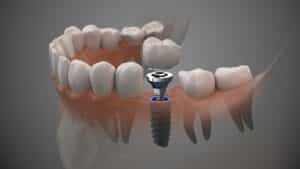
With proper care, dental implants can last 15 to 25 years or longer, with many lasting a lifetime. The titanium implant post, which is surgically placed into the jawbone, is designed to be permanent. If you’re wondering how long implants last, it depends on several factors that can extend or shorten their lifespan. However, the crown (the visible part) may need replacement after 10 to 15 years due to wear.
For a clearer picture, here are the top factors that directly impact lifespan:
- Quality of the titanium post: Using a high-grade titanium post helps ensure stability and strength over time. This material resists corrosion and fuses securely with the jawbone, forming a solid base for the restoration. Choosing quality components reduces the chance of loosening or complications.
- Precision of implant placement: Careful planning and surgical skill influence how well the implant integrates with surrounding bone. Accurate positioning helps distribute bite forces evenly, minimizing stress on the implant root. This precision lowers the likelihood of premature wear or structural issues.
- Long-term gum health: Healthy gums provide essential protection against infection and inflammation. Keeping gums strong supports the implant’s stability and helps prevent issues that can lead to bone loss. Maintaining gum health is a critical part of protecting your investment in dental implants.
These factors work together to determine how long your implant will serve you. With attention to these details, you can significantly extend the life of your dental implants and enjoy lasting confidence in your smile.
Factors that influence longevity
Several individual factors can affect how long dental implants last. Paying attention to these details helps support a successful outcome and reduces the chance of complications.
Below are the key factors that can shape your implant’s lifespan:
- Oral hygiene habits: Daily brushing and flossing help control plaque and reduce the risk of gum disease around the implant. Left unchecked, bacteria can cause peri-implant disease that damages bone and soft tissue. Consistent oral care protects the stability of the titanium post and keeps the surrounding area healthy.
- Preexisting health conditions: Conditions such as diabetes, osteoporosis, or autoimmune diseases can slow healing and increase the risk of complications after implant surgery. These issues may interfere with how well the implant integrates with the bone. Managing health conditions with your provider supports better outcomes and lowers the chance of implant failure.
- Lifestyle choices: Smoking limits blood flow and slows recovery, while grinding or clenching can place excessive force on the implant root. These habits may weaken the connection between bone and implant or damage the crown over time. Avoiding tobacco and protecting your teeth with a night guard when necessary can extend the life of your dental restoration.
These factors can greatly influence how well your implant performs over time, making careful planning and consistent care essential.
Comparing implants to other tooth replacement options
Dental implants offer a stable solution that often feels more natural than alternatives like dental bridges or removable dental prostheses. While bridges rely on adjacent teeth for support, implants use a titanium screw anchored in the bone, which avoids placing extra stress on healthy teeth. This approach preserves existing tooth structure and provides a secure base that can handle everyday chewing.
In addition, the design of implant-supported dentures delivers improved fit and comfort for patients missing multiple teeth. Unlike traditional dentures that may slip or need adhesives, these stay fixed thanks to precise implant placement technique. As a result, patients often find eating and speaking much easier with these advanced solutions.
Furthermore, when comparing costs, implants can seem higher upfront, but they often reduce long-term expenses by lowering the need for replacements or adjustments. Treatments like bone augmentation before dental implant surgery may add to initial costs but help ensure reliable outcomes. With careful planning and dental visits, implants maintain their function and appearance for many years.
Tips to maximize your implant’s lifespan
 Caring for dental implants begins with daily routines that support overall oral health. Gentle brushing with a soft-bristled toothbrush and using non-abrasive toothpaste can help protect the surface of the crown. Consistent dental care, including flossing carefully around the implant, reduces plaque buildup and lowers the risk of inflammation.
Moreover, professional care plays an essential role in maintaining long-term success. Scheduling regular dental check-ups allows your dentist to monitor the implant, address early signs of trouble, and provide thorough cleanings. This partnership helps keep the surrounding gums and bone healthy, supporting the stability of the implant over time.
Final thoughts
Dental implants are built to last, and with proper care, they often do. While individual results vary based on health and habits, the potential for decades of function makes them a smart, lasting investment. If you’re looking for a solution that combines durability, comfort, and long-term value, dental implants are worth serious consideration.