

Understanding the market for second-hand buses
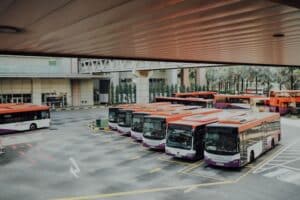
Photo by CHUTTERSNAP on Unsplash
Today’s transport sector calls for practical and sustainable innovations for various industries. Second-hand buses have come up as a solution to a number of the problems faced by individuals and corporations alike. New vehicles mean the investor must consider significant capital to fund the purchase. This means that the ones used are the most sensible functionality and environmentally responsible options.
Why buy a second-hand bus?
The most compelling reason to consider a used bus is cost-effectiveness. New buses can be costly depending on the model, capacity, and features. The flip side has a lesser financial burden because a second-hand vehicle can be available at a fraction of a new one’s price.
Some buyers consider seating and utility purposes. For example, a small transport business can use multiple used units without the financial strain of new fleet investments. The big companies in the same industry can use the older vehicles to fill short-term capacity gaps, such as supporting seasonal demand spikes.
Key considerations before purchasing
A low financial investment should not fool you into buying just any unit on the market. There are several factors you should consider before committing to a purchase. The first one is the age and mileage of the unit. Older buses will naturally have more wear and tear. Higher usage should not be a sure dealbreaker, but you must know how long the unit has been running and the maintenance levels. Part of the checks in this regard could be records for inspections, part replacement, and any history of significant repairs and accidents.
The local environmental regulations also are significant for the investor. You should be sure to familirise yourself with the rules to avoid wrangles with local enforcement. Some of these requirements are carbon emission levels and fuel consumption regulations. The configuration of the bus should match your intended use. A double-decker might be unnecessary for a school run, and a minibus may not be appropriate for a local transport route.
Where to find quality second-hand buses
Your best bet for finding second hand buses would be dealers who refurbish and certify to quality standards. This route would help you eliminate the hustle of testing everything independently. This does not mean you should be negligent of the important factors before purchasing. Always have a list of checks and tick them off without compromise.
Conclusion
Buying a used unit could be your saving grace if you conduct due diligence on the available ones. The outcome is cost savings, better logistical operations, and contributing to greener transport initiatives.