

Access property investments with transparent, permissionless transactions
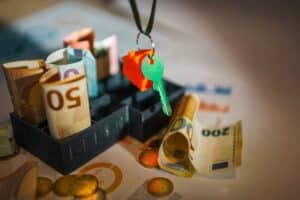
Photo by Jakub Żerdzicki on Unsplash
Real estate has always been a cornerstone of wealth-building. However, the process of investing in property is traditionally layered with inefficiencies, exclusivity, and slow-moving bureaucracy. Technological innovations—particularly blockchain—are opening up new pathways. Investors now have access to platforms that are transparent, efficient, and borderless. Through these advancements, buying into real estate is no longer limited to the elite or subject to gatekeepers.
How blockchain introduces trust to property investing
The property sector has long depended on a centralized network of institutions to verify transactions and establish legitimacy. Title companies, escrow agents, legal advisors, and banks all play a role in facilitating deals. While this system offers security, it also adds significant time, cost, and room for human error.
Blockchain simplifies this web by introducing a decentralized ledger that tracks every transaction in real time. Each entry on the blockchain is verified by a network of nodes, making it nearly impossible to alter or forge. With smart contracts executing terms automatically based on pre-defined conditions, there’s no need for a middleman to enforce agreements. This drastically reduces the opportunity for manipulation and miscommunication.
In a market often riddled with fraud, unclear ownership records, and disputes over terms, this level of integrity has immediate appeal. It ensures transparency not just during the transaction but throughout the entire lifecycle of the investment, including rent payments, maintenance logs, and resale history.
Lowering barriers through fractional ownership
Buying an entire property—whether commercial or residential—requires significant capital, often placing it out of reach for most individual investors. Even when funding is available, the legal complexity and due diligence required can serve as deterrents. That’s where the concept of tokenized assets comes into play. Tokenization breaks a property into smaller digital units, each represented by a token on the blockchain. These tokens can be purchased by investors, allowing them to own fractions of a building or portfolio. This makes real estate investment far more accessible.
For instance, a $1 million apartment building could be divided into 10,000 tokens priced at $100 each. An investor doesn’t need to buy a whole unit or pay for property management—they just need to choose the number of tokens they want.
This model also enhances liquidity. Traditional real estate can take weeks or months to sell. But tokenized real estate can be traded on secondary markets much like stocks or cryptocurrency, providing a faster exit strategy and giving investors greater control over their capital.
Permissionless platforms empower global participation
Investing in foreign real estate often means navigating legal restrictions, currency barriers, and local real estate laws. These challenges deter even the most interested global investors. Permissionless blockchain platforms remove those obstacles by eliminating centralized control and allowing anyone with a digital wallet and internet connection to participate.
Smart contracts facilitate instant, borderless deals, while stablecoins and cryptocurrencies provide alternatives to fiat currencies bogged down by exchange fees and processing delays. This kind of frictionless access is transformative, especially in developing economies where traditional property systems may be underdeveloped or exclusionary.
Moreover, property developers benefit as well. They gain access to a wider pool of investors, reduce dependency on bank financing, and can raise capital more efficiently through token offerings.
Transparent transactions foster investor confidence
One of the greatest deterrents in property investing—especially for beginners—is the lack of transparency. Buyers may struggle to verify ownership, understand pricing models, or determine the legitimacy of a seller’s claims. Even experienced investors face uncertainties that can affect returns.
Blockchain directly confronts these issues. Every transaction is traceable, timestamped, and publicly available. Property records, lease agreements, and investment contracts are stored on-chain and cannot be retroactively altered. Investors can verify how funds are allocated, when payments are due, and whether a property is generating expected returns.
This level of insight removes the guesswork. It shifts the dynamic from “trust me” to “trust the code,” which builds confidence among stakeholders at all levels—from retail investors to institutional players.
Reducing costs by eliminating intermediaries
Real estate transactions are notoriously expensive. Brokerage fees, legal consultations, escrow services, title searches, and mortgage processing can consume a large chunk of capital. These costs often represent 8-10% of the total transaction amount, eating into profits and discouraging frequent trading.
Blockchain systems reduce or eliminate the need for many of these intermediaries. Smart contracts replace legal documentation. Ownership verification becomes instant and immutable. Payments can be automated and routed directly to stakeholders. According to Deloitte, tokenized real estate models can lower transaction costs by as much as 40%—a game-changer for both short-term and long-term investors.
These savings also create space for reinvestment, which compounds wealth over time and enhances the return-on-investment curve for even small-scale participants.
Compliance without compromise

Photo by Jakub Żerdzicki on Unsplash
Skeptics often cite compliance as a roadblock to blockchain adoption. However, modern platforms are finding ways to embed regulation within code. Through integrations with identity verification services, users are prompted to complete Know Your Customer (KYC) and Anti-Money Laundering (AML) checks before trading.
This approach creates a dual advantage: it satisfies regulators while preserving the speed and efficiency of blockchain infrastructure. Each participant’s activity is tied to a verifiable digital identity, and every financial movement is documented in a way that can be audited on demand.
Governments are increasingly taking notice. Sweden has tested a blockchain land registry to reduce administrative burden and processing time. The UAE and the UK are also exploring similar programs. These efforts signal that regulatory frameworks and blockchain adoption are not mutually exclusive—they are increasingly becoming complementary.
The future of property investment is arriving faster than expected. Through blockchain-based systems, the market is becoming more open, efficient, and trustworthy. Investors can now participate with minimal capital, conduct trades globally, and eliminate unnecessary friction. Real estate is finally catching up to the digital economy.