

Rocky Mountain College LLC – a leader in art and design education and innovation
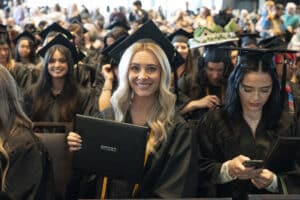 Established in 1963, Rocky Mountain College of Art + Design (Rocky Mountain College LLC (RMCAD) is a premier institution located in Denver, Colorado, with a robust online presence. Known for fostering creative talent through an innovative educational approach, RMCAD is accredited by the National Association of Schools of Art and Design (NASAD) and the Higher Learning Commission (HLC). The college offers a diverse array of 11 undergraduate programs, including interior design, illustration, graphic design, animation, and game art. RMCAD is committed to creating a community-oriented environment where diversity, inclusivity, and professional growth are highly valued. With a mission to inspire critical thinking and prepare students to become influential forces in their industries, RMCAD engages students both on campus and online, meeting them where they are.
Today, we interview a representative from RMCAD to delve deeper into their journey, strategic planning, and resilience in the ever-evolving landscape of higher education.
RMCAD’s strategic approach
What is RMCAD’s overall approach to navigating challenges that impact higher education institutions, from public perception to operational disruptions?
RMCAD adopts a proactive and student-centered approach when navigating challenges. Our preparedness is rooted in established protocols like the “I Love U Guys! Foundation” Standard Response Protocols (SRP), which provide a structured framework for emergencies. We emphasize adaptability through our blended-learning model, which positioned us well to handle changes like the COVID-19 pandemic. Moreover, our strategic plan, RMCAD RISE (Reflect, Innovate, Serve, and Evolve), serves as a guiding beacon for decisions, prioritizing innovation, inclusivity, and professional growth while maintaining a focus on student success. We continuously evolve through data-driven decision-making to meet the needs of both students and the industry.
How does RMCAD ensure that its faculty, staff, and students remain connected and supported during uncertain or stressful periods?
We have established various mechanisms to maintain connection and support. Multi-channel communication through phone, text, and email ensures widespread notification during emergencies. Our dedicated support services include the CARE Team, which proactively intervenes in matters related to the safety and well-being of our community, and the Student Learning Center, which provides academic support across modalities. Additionally, we have robust tech support and student accessibility services to ensure equal access and participation for all students.
Can you share a specific example of how RMCAD handled an unexpected challenge—academic, reputational, or operational—and what you learned from it?
The COVID-19 pandemic presented a significant challenge, requiring us to transition swiftly to remote learning while maintaining safety and academic continuity. We leveraged our existing online infrastructure to facilitate a smooth transition. Prioritizing safety, we implemented protocols like social distancing and enhanced cleaning. For hands-on training programs, we arranged for appointment-based access to campus resources. Financially, we offered tuition breaks to ease the burden on students. Our dedicated COVID-19 Task Force guided adjustments, adhering to local, state, and federal guidelines. Throughout, we maintained transparent communication with our community.
How do internal communication and cross-department collaboration support RMCAD’s ability to respond quickly and effectively to emerging issues?
Cross-departmental collaboration is integral to our operations. The CARE Team, for example, involves input from various departments to address the well-being of students and staff. Our Department Services Directory facilitates seamless communication and referrals during crises, ensuring holistic support. Our successful COVID-19 response relied on a task force composed of members from multiple departments, a strategy we will replicate in response to future emergent issues. Our student-first values further foster a collaborative environment where departments unite to prioritize student needs.
RMCAD continues to lead in the landscape of art and design education, demonstrating resilience and innovation through its strategic planning and community-focused initiatives. These efforts ensure the institution remains a pivotal force in nurturing creative talents and preparing them for success in a dynamic world.
Expertise and achievements
What are some of RMCAD’s most notable achievements in recent years, and how have these achievements impacted the institution?
RMCAD has made significant strides in both its academic and operational domains. Our pioneering efforts in online art and design education have been particularly noteworthy. The implementation of a robust online learning infrastructure has not only ensured continuity during disruptions but has also allowed us to expand our reach and impact globally. This infrastructure has positioned RMCAD as a leader among institutions during the COVID-19 pandemic, enabling us to maintain growth while others faced challenges. Additionally, our strategic inclusion of industry-aligned curriculum updates, such as new concentrations in UX/UI and advertising for the Graphic Design program, ensures that our graduates are well-prepared for the evolving demands of the creative industries.
How has RMCAD’s commitment to inclusivity and innovation shaped its educational offerings and community engagement?
Inclusivity and innovation are core to our mission and vision. RMCAD’s strategic plan, RMCAD RISE, underscores these values by prioritizing educational excellence and community engagement. We’ve cultivated a community-oriented environment that values diverse perspectives and fosters professional growth. Our commitment to inclusivity is evident in our support services and student-centered approach, which ensures that all students receive personalized guidance and resources tailored to their needs. This commitment extends to our community engagement efforts, where we aim to inspire critical thinking and prepare students as influential leaders.
Vision for the future
What are RMCAD’s strategic goals for the next five years, and how do they align with the changing landscape of higher education and creative industries?
Looking ahead, RMCAD’s strategic goals are encapsulated in our RMCAD RISE plan, which outlines our roadmap for the next five years. Our goals include advancing educational innovation, enhancing student services, and fostering a supportive employee culture. We aim to continue aligning our programs with industry demands by incorporating input from professional advisory boards and expanding our curriculum with new concentrations and degrees. Our focus on career readiness and inclusivity will remain steadfast, ensuring that our graduates are equipped to thrive in a dynamic global market.
How does RMCAD plan to maintain its leadership in art and design education while addressing potential challenges in the sector?
RMCAD’s ability to adapt swiftly to changes is a testament to our resilience and forward-thinking strategy. By continually reassessing our strategic planning process through ongoing analysis and data-driven decision-making, we ensure that we remain agile and responsive to industry shifts and educational trends. Our emphasis on blending traditional and online learning formats prepares students for varied career paths, enhancing their versatility and employability. Furthermore, our commitment to inclusivity and a student-first approach will guide us in navigating future challenges while maintaining our leadership position.
In conclusion, Rocky Mountain College of Art + Design’s focus on innovation, inclusivity, and strategic planning positions it as a leader in art and design education. With a clear vision and commitment to excellence, RMCAD continues to inspire and prepare students for impactful careers in the creative industries.