

How supply chain transparency is reshaping logistics ROI in 2025
Sponsored content. This article was supplied by a third party and Business Money has been paid to publish it.
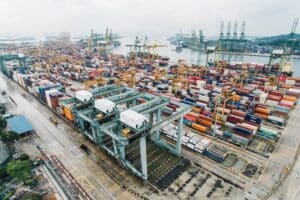
Photo by CHUTTERSNAP on Unsplash
Supply chain visibility has evolved from a competitive advantage to an operational necessity, fundamentally changing how logistics companies calculate return on investment. Modern businesses demand granular tracking capabilities, real-time updates, and comprehensive reporting that extends far beyond traditional delivery confirmations.
The financial implications of enhanced transparency reach every corner of logistics operations. Companies that have invested in comprehensive tracking systems and become AIB certified often see improvements in client retention rates, premium pricing opportunities, and operational efficiency metrics that directly impact profitability.
The cost of opacity in modern logistics
Traditional logistics models operated on trust-based relationships where clients accepted limited visibility in exchange for reliable service. This approach no longer meets market expectations, particularly in sectors where supply chain disruptions can cost companies millions in lost revenue or regulatory penalties.
Consider the pharmaceutical industry, where temperature-sensitive shipments require constant monitoring throughout the transportation process. A single temperature excursion that goes undetected can result in product losses exceeding $50,000 per shipment, according to data from the International Air Transport Association. Logistics providers without comprehensive monitoring capabilities face liability exposure that can quickly erode profit margins.
The financial technology sector presents another compelling example. Banks and financial institutions moving sensitive documents or hardware components demand detailed chain of custody documentation that meets regulatory compliance standards. Logistics providers unable to provide this level of transparency often lose contracts to competitors offering superior visibility solutions.
Technology investment vs. profit margins
The initial capital outlay for advanced tracking systems can seem daunting, particularly for mid-sized logistics companies competing against larger players with deeper pockets. However, the revenue protection and growth opportunities generated by transparency investments typically justify costs within 18–24 months.
Real-time tracking systems reduce customer service overhead by eliminating routine status inquiries. Companies report decreases of 40–60% in tracking-related customer service calls after implementing comprehensive visibility platforms. This reduction translates to tangible cost savings in staffing and operational expenses.
Insurance premiums also decrease when logistics providers demonstrate robust tracking and monitoring capabilities. Carriers view comprehensive visibility systems as risk mitigation tools that reduce the likelihood of claims and disputes. Industry data suggests that companies with advanced tracking systems experience fewer cargo theft incidents and faster recovery times when losses do occur, as referenced in Federal Motor Carrier Safety Administration safety technology guidelines.
Premium services and market positioning
Transparency capabilities enable logistics companies to justify premium pricing for specialized services. Clients increasingly view detailed tracking and reporting as value-added services worth paying extra to obtain. This shift has created new revenue streams for forward-thinking logistics providers.
Same-day and expedited delivery services command higher margins when coupled with comprehensive tracking capabilities. Business clients paying premium rates for urgent shipments expect corresponding levels of visibility and communication throughout the delivery process.
The e-commerce fulfillment sector demonstrates how transparency features can differentiate service offerings. Logistics providers offering detailed analytics on delivery performance, customer satisfaction scores, and operational metrics often secure longer-term contracts with higher profit margins compared to basic service providers.
Regulatory compliance and risk management
Regulatory requirements continue expanding across industries, creating new compliance obligations for logistics providers. The Food Safety Modernization Act requires detailed temperature and location tracking for food shipments, while pharmaceutical regulations demand comprehensive chain of custody documentation.
Non-compliance penalties can range from thousands to millions of dollars, depending on the industry and severity of violations. Logistics companies serving regulated industries must view transparency systems as essential risk management investments rather than optional technology upgrades.
The Department of Transportation has indicated that electronic logging device requirements may expand to include additional tracking and reporting capabilities in future regulations. Companies investing in comprehensive transparency platforms today position themselves to adapt quickly to evolving regulatory requirements.
Measuring transparency ROI
Quantifying the return on transparency investments requires looking beyond direct cost savings to include revenue protection, client retention, and market positioning benefits. Companies typically track metrics including customer acquisition costs, client lifetime value, and service premium percentages to evaluate transparency investments.
Client retention rates often improve significantly after implementing comprehensive visibility systems. The cost of acquiring new clients typically exceeds retention costs by 5–25 times, making improved retention rates particularly valuable for logistics companies operating in competitive markets.
Supply chain transparency has transformed from a nice-to-have feature into a fundamental business requirement that directly impacts profitability. Logistics companies that recognize this shift and invest accordingly position themselves for sustained growth in an increasingly demanding marketplace. The question for logistics executives isn’t whether transparency investments pay off, but whether they can afford to operate without them in today’s competitive environment.