

10 ways to improve warehouse safety
Sponsored content. This article was supplied by a third party and Business Money has been paid to publish it.
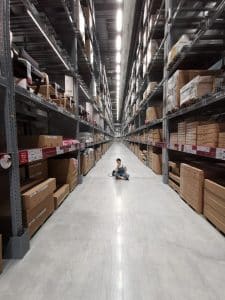
Photo by WinSon 5293
Warehouse safety is not just about following the rules, it’s about protecting your people and improving how efficient you are. When you do these things, you reduce costly downtime and you stop wasting time too. A safe warehouse leads to fewer injuries and better morale, and you also end up with smoother operations as a result. Whether you’re managing something small as a storage facility or you’re trying to head up a large distribution centre, improving safety should be top priority for you. Let’s take a look at 10 practical ways that you can make sure that your warehouse is safer without making it over complicated.
Start with some proper training
You cannot have a safe warehouse without proper knowledge. Every employee should receive clear hands-on training before stepping onto any warehouse floor. This should include how to operate equipment, lift items correctly, recognise hazards and follow emergency procedures. Training is not a one time event because regular refreshers help to ensure safe habits stay sharp as processes or equipment changes. If necessary, call in experts to make sure that training on specific equipment is run correctly. You want to ensure that your team feels like they’ve been properly trained in everything from health and CPR to lifting. If you don’t follow these training procedures properly, you’re going to end up with more accidents, which is going to cost you more in the long run, so invest in training early.
Use the right equipment for the job
It sounds like a no brainer right? But you’d be surprised how many people don’t have the right equipment to do the right work. Using improper or outdated equipment is one of the biggest safety risks in warehouses. Forklifts, pallet jacks, conveyors and lifting systems must match the weight and size of the loads being handled. Early planning around industrial tools such as selecting reliable providers like Yaplex Industrial Lifting Solutions helps reduce the strain injuries and equipment related accidents.
Keep walkways and exits clear
Clutter is so much more than just an eyesore. It’s a serious hazard for you. Boxes left in aisles, loose packaging materials or poorly stored pallets can lead to slips, trips and falls, clearly marked walkways, emergency exits and loading zones and make it everyone’s responsibility to keep them clear throughout the day. Slips, trips and falls are some of the leading causes behind lawsuits for a business, and you could be avoiding any of those lawsuits by making sure that you are keeping things clear. You need to be strict on this, and you need to make sure that that trickles down through management and into your employees.
Improve lighting across the facility
Poor lighting increases the risk of accidents, especially in high traffic areas or no heavy machinery. Make sure all workspaces, aisles, stairways and loading docks are always well lit, and lighting should be on your car parks too. Replace burned out bulbs quickly and consider upgrading to energy efficient LED lighting for better visibility and lower long term costs.
Focus on ergonomics
In warehousing, the body is moving a lot, which means repetitive movements like heavy lifting and awkward postures can lead to long term injuries. Encourage your employees to use proper lifting techniques and provide tools like adjustable workstations, lift assists and anti fatigue mats. Small ergonomic improvements can greatly reduce muscle strain and improve overall comfort. It’s not just about making sure that your people are comfortable throughout the day, but of course that does matter. But it’s all about making sure that you’re not causing injury. Safety is a must.
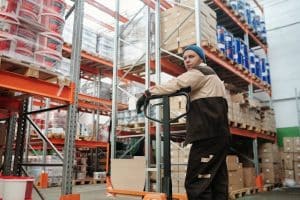
Photo by Tiger Lily
Schedule regular equipment maintenance
If you’re going to schedule in regular training to make sure that your people know what they’re doing, equipment maintenance is a must. Equipment failures can cause serious injuries and costly delays, but creating a maintenance schedule for all machinery, including your forklift, conveyors and safety systems, make a difference. Regular inspections can help catch smaller issues before they become dangerous problems, and your employees should also be encouraged to report equipment issues immediately.
Enforce the use of PPE
Personal protective equipment is essential in most warehouse environments, and that can include anything from hard hats and gloves to safety glasses and high vis vests. Make PPE easy to access and ensure that your employees understand when and how to use it. With consistent enforcement, you can show that safety is taken seriously in your business.
Label and store your materials properly
Improper storage is a major course of warehouse accidents. Heavy items should be stored at lower levels, while lighter items go higher. Clearly label shelves with weight limits and contents because hazardous materials should be stored separately and marked clearly to prevent accidental exposure or spill.
Build a strong culture of safety
Safety isn’t just the responsibility of the management, it’s everybody’s job. Encouraging your employees to seek help or speak up about hazards, suggest improvements and report near misses without fear of punishment is a must. When you recognise safe behaviour and you involve workers in safety discussions, you can create the culture that you want where people look out for one another.
Improving warehouse safety doesn’t require complicated systems or massive budgets. It just requires a healthy dose of common sense. If you’re aware of the issues in a warehouse environment especially, you’re going to be able to maintain those consistent safety practices. You can then improve your commitment to protecting your workers, because when safety is prioritized, productivity will improve as employees feel more confident with their equipment and the way that they handle themselves and each other.
Small safety steps, taken early and reinforced daily, can ensure that any warehouse becomes safer and more efficient as a place to work. Don’t take safety for granted, because you never know when safety could become a much bigger issue.