

13 tactics to grow an auto repair shop
Sponsored content. This article was supplied by a third party and Business Money has been paid to publish it.
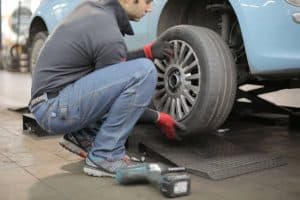
Photo by Andrea Piacquadio
Running a successful auto repair shop in 2025 means more than just turning wrenches. It’s about managing cash flow, adapting to technology, and investing in people.
Between rising equipment costs, the shift toward electric vehicles, and the demand for advanced diagnostics, many shop owners are searching for smart ways to fund growth and stay competitive.
Fortunately, there are plenty of creative financing and operational strategies that can help you expand your services, strengthen your workforce, and build long-term stability. Whether you’re a small independent shop or a growing multi-location business, these 13 tactics can help you move forward with confidence.
1. Invoice finance for warranty or fleet receivables
Waiting weeks or months for warranty or fleet payments can choke your cash flow. Invoice financing allows you to unlock that money sooner by borrowing against outstanding invoices. It’s a fast way to maintain working capital without taking on long-term debt.
2. Equipment leasing for ADAS and diagnostics
Advanced Driver Assistance Systems (ADAS) and next-generation diagnostic tools are essential, but expensive. Leasing equipment lets you stay current with evolving technology while spreading costs over time.
- Preserve cash flow by avoiding large upfront purchases
- Upgrade equipment more frequently to stay compatible with new vehicle models
- Enjoy tax benefits from lease payment deductions
3. SBA 7(a) and 504 loans
The Small Business Administration (SBA) offers loan programs designed to help shop owners purchase real estate, refinance debt, or expand operations. The 7(a) loan works well for general business needs, while the 504 loan is ideal for property and equipment purchases.
What makes them appealing: Lower down payments, longer repayment terms, and government-backed security that often means better rates.
4. Inventory-backed revolvers
Parts inventory ties up capital that could be used elsewhere. Inventory-backed lines of credit (also called revolvers) allow you to borrow against that inventory’s value. This helps you fund short-term needs like payroll or repairs during slow months.
5. OEM tooling incentives
Original Equipment Manufacturers often offer tooling or equipment incentives for certified repair partners. These programs can reduce the cost of specialized equipment needed for EV or hybrid repairs while ensuring compliance with manufacturer standards.
6. Workforce grants and apprenticeship support
Finding and keeping skilled technicians is a major challenge across the industry. State and federal workforce development grants can help offset training or onboarding costs. You can also leverage apprenticeship wage support programs to fund paid learning opportunities for entry-level hires.
For structured upskilling, partnering with programs like AAI technician training gives employers access to a pipeline of well-trained talent ready to meet modern industry standards.
7. Embedded BNPL (buy now, pay later) for customers
Adding Buy Now, Pay Later (BNPL) options at checkout helps customers manage larger repair bills and improves your sales conversion rate. By offering flexible payments through embedded finance platforms, you make it easier for clients to approve recommended work on the spot.
8. Subscription service plan prepayments
Consider offering prepaid or subscription-based maintenance packages. Customers pay monthly or annually for routine services like oil changes or inspections, giving your shop consistent cash flow and stronger customer retention.
9. Merchant cash advance (with caution)
Merchant cash advances (MCAs) offer fast access to funds based on future sales, but they often come with high fees. They can be useful in emergencies, but should be used sparingly and paid off quickly.
10. Courtesy vehicle asset finance
Offering a courtesy vehicle can set your shop apart and improve customer satisfaction. Asset finance options make it easier to acquire and maintain these vehicles without heavy upfront costs.
Keep in mind the following:
- Boosts customer trust and loyalty
- Provides marketing opportunities (branded courtesy cars)
- Spreads vehicle costs across manageable monthly payments
11. Tax credits and incentives
Explore available tax credits for energy-efficient equipment, employee training, or EV charging station installations. These incentives can offset large capital expenses while helping you future-proof your shop for next-generation vehicles.
12. Property fit-out and renovation finance
If you’re expanding or remodeling your shop, fit-out financing can cover everything from new lifts and flooring to customer lounges and signage. This specialized funding helps you modernize your facility while preserving cash for day-to-day operations.
13. Structured upskilling and retention programs
A shop’s success often depends more on people than equipment. Investing in structured upskilling and retention programs keeps your team engaged and your services competitive. Partnering with local trade schools or technician training programs builds a reliable hiring pipeline and enhances your reputation as a forward-thinking employer.
Final thoughts
Growing an auto repair shop isn’t just about securing financing. It’s about building a foundation for sustainable success. By combining smart funding tactics with ongoing workforce development, you can expand capacity, improve service quality, and create long-term value.
From leveraging grants and SBA loans to investing in your team’s skills, each of these 13 tactics gives you a practical way to strengthen both your shop and your future. The right blend of financial strategy and people development will ensure your business keeps running smoothly, no matter how the industry evolves.