

4 tips to design a sustainable workspace
Sponsored content. This article was supplied by a third party and Business Money has been paid to publish it.
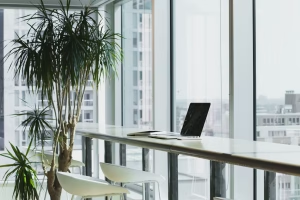
Credit: Unsplash
Across businesses around the world, sustainability is all the rage right now. And it’s interesting to see that many corporate bosses no longer use sustainability as just a buzzword. They genuinely care about going green and keeping the planet clean.
An OECD report highlights improvements in corporate sustainability reporting. In 2024, 91% of companies reported on sustainability, increasing from 86% in 2022. The overall number of companies disclosing this information has also grown.
What’s more, companies aren’t just incorporating sustainable practices in their operations and supply chains. They are incorporating sustainability into the very hearts of their workspaces.
Designing a sustainable workspace does not require a massive budget or a complete renovation project. Small choices often create the biggest impact over time. When you make thoughtful decisions, your office can become healthier, more efficient, and far less wasteful.
Here are a few suggestions on how to design the perfect sustainable workspace.
#1 Focus on natural lighting and better energy use
Lighting plays a major role in both energy consumption and overall workplace comfort every single day. Many offices rely too heavily on artificial lighting, even during bright daytime hours. This habit increases electricity costs while also creating an unpleasant working environment for employees.
You can improve sustainability by maximizing the natural light already available inside your workspace. Position desks near windows whenever possible to reduce dependence on overhead lighting during business hours. Lighter wall colors also help reflect sunlight more effectively throughout the entire room. These simple adjustments create a brighter atmosphere without unnecessarily increasing energy use.
Energy-efficient lighting choices also make a noticeable difference in long-term office sustainability efforts. LED bulbs consume far less electricity and last significantly longer than traditional lighting options.
Besides, US electricity prices increased 6.3% in the year ending January 2026, over double the 2.5% headline inflation rate. Forbes notes that prices rose significantly faster than general consumer costs during this period.
Furthermore, electricity costs are projected to increase by another 6% through 2027. Thus, by allowing more natural lighting into the office, you can also bring down the energy costs.
#2 Bring sustainable materials into your office design
Choosing sustainable materials helps reduce environmental impact while adding warmth and character to your workspace design. Many modern offices rely heavily on synthetic materials that wear down quickly and create unnecessary waste. Sustainable alternatives often last longer and provide a more timeless appearance overall.
Whenever possible, consider incorporating reclaimed wood into your office furniture, shelving, flooring, or decorative accents. Many beautiful reclaimed wood products come from materials reclaimed from old barns and structures across different regions. These woods carry unique textures and natural imperfections that give your workspace a genuine personality.
As Elmwood Reclaimed Timber notes, the use of reclaimed wood also adds a layer of sophistication to any modern design. But, most importantly, they reduce demand for newly harvested lumber and support more sustainable building practices.
Use of such sustainable materials often blends durability with environmental responsibility in a very practical way. By choosing sustainable materials carefully, you create a workspace that feels both professional and environmentally conscious.
#3 Choose furniture that supports long-term use
Office furniture often gets replaced far too quickly because many businesses prioritize low prices over long-term durability. Cheap furniture may seem practical initially, but constant replacements create unnecessary waste and additional expenses later.
Sustainable workspaces benefit greatly from investing in quality pieces designed to last for years.
When selecting furniture, focus on durability, comfort, and repairability rather than following short-lived design trends. High-quality chairs and desks usually maintain their appearance and function much longer than cheaper alternatives.
Furniture made from sustainable materials also tends to age more gracefully over time. This approach reduces landfill waste while helping you avoid repeated replacement costs.
Secondhand office furniture can also become an excellent option for environmentally conscious workspace design projects. Many businesses sell barely used furniture during office relocations or company restructuring periods.
Refurbished pieces often provide outstanding quality at a much lower price than buying everything new. Combining reused furniture with thoughtful design choices creates a stylish workspace without unnecessary environmental strain.
#4 Improve air quality with thoughtful design choices
America is facing serious problems with its air quality. The American Lung Association reports 44% of Americans live in areas with unhealthy air pollution. This includes 152.3 million citizens breathing harmful ozone or particle pollution levels daily.
Furthermore, nearly half of all children reside in counties earning failing grades for pollution. Under such circumstances, sustainable workplace design must also help enhance the overall indoor air quality.
Indoor air quality directly affects employee health, focus, and overall comfort during long working hours each day. Unfortunately, many office environments contain pollutants from cleaning products, furniture finishes, and poor ventilation systems.
Adding indoor plants creates one of the easiest and most visually appealing improvements for any office environment. Plants help filter certain airborne pollutants while introducing a calming atmosphere into busy workspaces. Low-maintenance options like snake plants and pothos work especially well in offices with limited natural light. They also add color and texture without overwhelming the overall design.
You should also pay attention to ventilation and cleaning products throughout your workspace environment. Open windows whenever weather conditions allow fresh air to circulate naturally through the office. These small adjustments create a healthier atmosphere while supporting broader sustainability goals within your workplace.
FAQs
What does sustainable office design mean?
Sustainable office design focuses on reducing environmental impact while creating healthy, efficient workspaces. It includes energy-efficient lighting, eco-friendly materials, natural ventilation, and waste reduction. The goal is to improve employee well-being while conserving resources and supporting long-term environmental responsibility.
Can going plastic-free ensure a sustainable office?
Going plastic-free helps reduce waste and pollution, but it alone does not guarantee sustainability. A truly sustainable office also considers energy use, recycling, water conservation, and responsible sourcing of materials. Reducing single-use plastics is just one part of a broader environmental strategy.
Are paperless offices considered eco-friendly?
Paperless offices are generally more eco-friendly because they reduce paper waste, printing, and storage needs. Digital systems can lower resource consumption and improve efficiency. However, sustainability also depends on responsible energy use and proper management of electronic devices and digital infrastructure.
Sustainability reporting at a glance
| Companies reporting on sustainability in 2024 | 91% |
| Companies reporting on sustainability in 2022 | 86% |
In numbers: Energy costs in the US on the rise
| Increase in US electricity prices in the year ending January 2026 | 6.3% |
| Headline inflation rate during the same period | 2.5% |
| Projected increase in electricity costs through 2027 | Another 6% |
Americans navigating air pollution at a glance
| Americans living in areas with unhealthy air pollution | 44% |
| Americans breathing harmful ozone or particle pollution daily | 152.3 million people |
| Children living in counties with failing pollution grades | Nearly 50% |
Designing a sustainable workspace is never about dramatic sacrifices or unrealistic investments from your business. Most improvements begin with practical decisions that support efficiency, durability, and healthier working conditions. Small changes eventually create meaningful environmental benefits while improving the overall office experience.
Sustainable offices often feel more welcoming, organized, and productive than traditional workspaces filled with unnecessary clutter. The best part about sustainable design is its long-term value for both businesses and employees alike. Thoughtful choices lower operational costs while supporting healthier lifestyles and environmental responsibility at the same time.