

8 communication tools for mid-sized field service teams
Sponsored content. This article was supplied by a third party and Business Money has been paid to publish it.
 Communication infrastructure has become a central pillar of operational excellence for mid-sized field service organizations. The global field service management market is projected to reach USD 6.21 billion in 2026, reflecting sustained investment in connected workflows across utilities, telecom, and manufacturing.
Decision-makers face one task: selecting platforms aligned with team size, regulations, and customer expectations. Strong communication tools drive gains in first-time fix rates, technician productivity, and customer satisfaction.
This analysis covers eight platforms shaping modern field service operations. Each solution addresses a distinct need, allowing leaders to build a stack matched to priorities.
1. Peak PTT – push-to-talk solutions for instant communication
 Peak PTT delivers the ease of a two-way radio with the reach of a smartphone. Hit a button, speak, and your message lands on every device tuned to the channel. Mid-sized crews working in transportation, construction, security or agriculture lean on Peak PTT to coordinate jobs across cities without the dead zones radios suffer from.
The platform runs over cellular and Wi-Fi networks, so coverage stretches as wide as your phone carrier. Dispatchers can ping a single technician, a group, or the entire crew in seconds. Voice calls also work for moments demanding a private one-on-one chat.
Why Peak PTT fits mid-sized field service teams:
- Nationwide coverage with no range cap, so techs stay reachable across multiple states
- Rugged Android and iOS devices, plus support for personal smartphones
- Group channels for dispatch, supervisors, safety alerts, and specific routes
- GPS tracking that pairs voice updates with real-time technician location
- Encrypted voice for compliance-sensitive industries like utilities and healthcare
Plans start affordable, scale per device, and waste zero minutes on training.
2. Slack – team messaging built for channels and quick collaboration
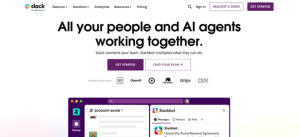 Slack groups conversations into channels, so dispatch chatter stays separate from billing questions and safety alerts. Mid-sized field service operations love this because office staff and remote technicians can drop in and out of relevant topics without drowning in noise. Pin documents, share photos from a site, or hand off a job thread to a colleague when shifts change.
The platform plays nicely with Google Drive, Salesforce, and most field service management software. According to a 2025 Salesforce survey, 47% of technicians report that their appointments don’t go as planned due to customer miscommunication, unaccounted-for parts, or insufficient appointment lengths and travel times, and a channel-based system shrinks that gap fast. Channels can be public so anyone can join, or private when sensitive topics demand it.
3. Microsoft Teams – unified hub for chat, video, and document collaboration
 Microsoft Teams folds messaging, video meetings, file sharing, and calendar into a single workspace. Field service operations already running Microsoft 365 get the tightest integration on the market. Dispatchers can launch a video call from a chat thread, pull up a service contract from SharePoint, and assign follow-up tasks through Planner without leaving the app.
The mobile version mirrors the desktop experience, so technicians review job notes from a truck cab and ping a senior tech for help on a tricky repair. Built-in transcription captures every word of a training call for crews who missed the live session.
Teams scales from a handful of users to thousands across regions. Channel-based conversation keeps project chatter organized, and guest access lets vendors or subcontractors join without buying a license. Security controls meet enterprise standards, which matters for teams serving government, healthcare, or financial clients.
For mid-sized companies already deep in the Microsoft ecosystem, Teams ends up being the easiest path to consolidate communication and cut software sprawl.
4. RingCentral – cloud-based business phone system
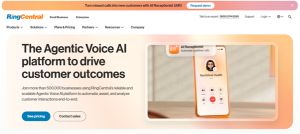 RingCentral runs phone lines, voicemail, SMS, and team messaging through the cloud, so field service teams ditch desk phones without dropping calls. Customers dial one number, and the system routes them based on time of day or call topic. Voicemails turn into text transcripts that land in inboxes for quick scanning.
Mid-sized operations love the multi-location setup. You can run separate auto-attendants for each branch, share extensions across cities, and pull call reports per office. Mobile apps for iOS and Android mean technicians take calls from their personal phones while keeping business numbers visible to clients.
The global field service management market size was estimated at USD 5.49 billion in 2025 and is expected to grow at a CAGR of 16% between 2026 and 2035, with cloud-based tools driving most of the growth. RingCentral fits that wave by replacing legacy PBX hardware with a subscription plan that scales as you add trucks and crews.
Integration with Salesforce, Microsoft 365, and ServiceTitan attaches customer history to every call. Pricing starts low, and onboarding wraps inside a week.
5. Zoom – high-quality video conferencing for remote diagnostics and training
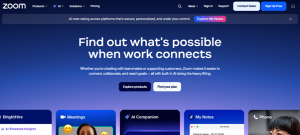 Zoom moved beyond meetings into a full communications suite, but its bread-and-butter remains rock-solid video. Field service supervisors run live diagnostics by walking technicians through a complex repair using a tablet camera. Training sessions record automatically, so newer hires watch on-demand.
Mid-sized companies layer Zoom Phone and Zoom Webinars onto regular meetings. Customers experiencing equipment issues can hop on a quick video call before a truck rolls, trimming unnecessary site visits.
Standout features worth tapping:
- Screen sharing for walking customers through portals, invoices, or equipment manuals
- Cloud recording with searchable transcripts for training libraries
- Breakout rooms for splitting large team meetings into job-specific huddles
- Waiting rooms that protect sensitive customer calls from uninvited guests
- Native integrations with Salesforce, HubSpot, and Slack
Zoom plans start free for short meetings. Paid tiers unlock longer sessions, more participants, and admin tools mid-sized teams need to manage dozens of accounts cleanly.
6. Twilio – programmable SMS and voice APIs for custom workflows
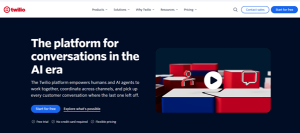 Twilio gives developers building blocks for sending text messages, automated voice calls, and WhatsApp blasts from internal tools. Mid-sized field service teams plug Twilio into their job management software to text customers when a technician is 30 minutes out, ping crews about emergency dispatches, or collect feedback after a service call.
The pay-as-you-go model fits service operations whose volume fluctuates seasonally. HVAC companies pay more during heat waves and far less in shoulder months, with no licensing waste in between.
Twilio Flex offers a drag-and-drop contact center, so teams without a heavy dev shop can still launch sophisticated workflows. Salesforce 2025 research shows that 74% of mobile workers say that customer expectations are higher than they used to be, and Twilio-powered automated updates close that gap with real-time, personalized messaging.
Security and compliance certifications cover HIPAA, GDPR, and SOC 2, making Twilio safe for medical equipment service and financial dispatch. Costs run per message or minute, which keeps small operations affordable and large ones predictable.
7. Jobber – field service management software with built-in client and team messaging
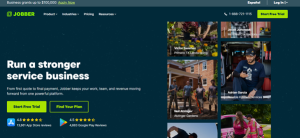 Jobber blends scheduling, invoicing, and quoting with a robust messaging layer designed for service businesses. Cleaning, lawn care, pest control, and HVAC crews use it to text customers about ETAs, share job photos with clients, and chat with teammates inside the same dashboard.
Office staff drop a quick note for a tech, and the message pops up on the mobile app right next to the assigned job. Two-way texting keeps every exchange logged against the client record.
Communication features mid-sized service teams use most:
- Automated appointment reminders by text and email
- On-my-way notifications with live GPS tracking shared with customers
- In-app team chat tied to specific jobs and clients
- Quote and invoice messages that include payment links
- Review requests sent automatically after job completion
Jobber runs on iOS, Android, and the web. Pricing tiers fit small crews up through 30-plus users, with new QuickBooks, Stripe, and review platform integrations rolling out each quarter.
8. WhatsApp Business – mobile messaging for crews and customers
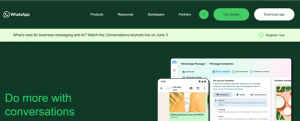 WhatsApp Business brings the most popular messaging app on the planet into a service workflow. Mid-sized teams operating across borders or serving immigrant communities lean on WhatsApp Business because customers already chat there daily. Setup takes minutes, and a single business profile holds your address, hours, catalog, and pinned greeting message.
Crews exchange voice notes, share location pins to find a service address, and send photos of completed work for customer approval. Group chats coordinate teams on big jobs, while broadcast lists push announcements to dozens of clients without revealing other recipients.
The Business API supports automation and CRM integration once volume grows. Companies route inbound questions through chatbots, trigger templates from external systems, and tie every conversation to a customer record. Read receipts confirm messages landed, which cuts down the back-and-forth around scheduling.
WhatsApp Business runs free for basic use, and the API tier charges per conversation. Mid-sized field service teams looking for a low-friction, customer-friendly channel will find it hard to beat.
Build your field service communication stack
Selecting the right communication stack requires careful evaluation of operational requirements, integration capabilities, and total cost of ownership.
Organizations achieving the strongest returns typically pilot two or three solutions, measure outcomes against defined KPIs, and scale deployments based on demonstrated impact across dispatch, field operations, and customer engagement.