

Australia relocation: 6 tips for a stress-free start
Sponsored content. This article was supplied by a third party and Business Money has been paid to publish it.
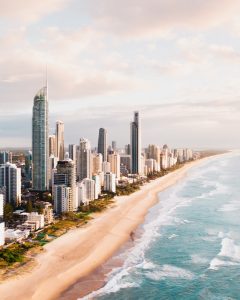
Photo by Caleb on Unsplash
Moving to a new country is a massive life event that requires a lot of energy. Australia offers a unique lifestyle and plenty of space, but the logistics of getting there can be tricky. Planning ahead helps you stay organized so you can enjoy the transition. Success comes down to managing the small details before they become big problems.
Start your planning early
Giving yourself 8 weeks to prepare helps you stay organized and on track. You will need this time to sort through your belongings and decide what stays or goes. Many people find that starting a checklist early prevents important tasks from slipping through the cracks. It is much easier to handle paperwork when you are not rushing to pack boxes.
Establishing a timeline allows you to set realistic goals for each week. You might focus on documentation during the first month and physical packing during the second. This prevents the burnout that often comes with international moves. Staying ahead of the clock means you can handle unexpected delays with a calm mind.
Book professional help in advance
Professional removalists in Australia book out fast, particularly during December-February and over school holidays. Using reliable moving companies such as Seven Seas Worldwide helps you manage the heavy lifting and shipping logistics. Having a team of experts handle your furniture and personal items takes a huge weight off your shoulders. You should try to secure your dates as soon as your travel plans are confirmed.
Experts in the industry suggest that booking at least two months out is the safest bet. If you wait until the last minute, you might find that the best services are already full. This often leads to higher prices or having to work with less reputable companies. Secure your spot early to keep your costs predictable and your schedule intact.
Understand the local migration trends
In the year ending 30 June 2025, overseas migration contributed a net gain of 306,000 people to Australia’s population. This high level of movement means that services for new arrivals are often in high demand. It is a good idea to research which cities are growing the fastest before you pick a landing spot. Knowing where others are moving can help you predict how competitive the local housing market might be.
Migration patterns often shift based on economic opportunities in different states. Western Australia might see a surge in mining jobs, while Queensland attracts those looking for a warmer climate. Checking recent population data helps you understand where the infrastructure is expanding. This knowledge can guide your choice of suburb or even your choice of city.
Budget for your monthly expenses
The average cost to live in Australia hovers at AUD 2,500-3,500 monthly for a single person, excluding rent, up from 2025’s AUD 2,000-3,000. You should have a clear financial plan to cover these daily costs while you look for work. Groceries, transport, and utilities can add up quickly in major cities like Sydney or Melbourne. Having a savings cushion will make your first few months much more comfortable.
Inflation has impacted the price of everyday goods across the country. Items like fresh produce and fuel can vary in price depending on the season and your location. It is helpful to browse online Australian supermarket websites before you arrive to get a feel for prices. This allows you to build a grocery budget that reflects the actual cost of living.
Utility bills are another factor that can surprise new arrivals. Electricity and water costs are often billed quarterly rather than monthly in many parts of Australia. Setting aside a small amount each week for these larger bills is a smart way to manage your cash flow. Being financially prepared reduces the pressure of finding the perfect job immediately.
Managing housing costs
- A shared house can cut housing costs significantly.
- Sharing typically brings your weekly rent down to AUD $170 to $300 per person, depending on the city and suburb.
- Living further from the city center often provides better value for your money.
- Short-term rentals are great for the first few weeks while you inspect permanent homes.
- Check online portals like Realestate.com.au or Domain to see current rental prices in your target area.
Look into health service requirements
From March 2025, it was announced that experienced nurses from selected countries can register to work in Australia without additional exams, cutting processing time by up to a year. If you work in healthcare, this change might make your relocation much faster than expected. Even if you are not a medical professional, understanding the local healthcare system is a smart move. You should check if your visa requires you to have private health insurance.
Medicare is the public health system, but not all visa types have access to it. Some countries have reciprocal healthcare agreements with Australia that provide basic coverage. You need to know your status before you arrive so you do not face high out-of-pocket costs for a simple doctor visit. Having the right insurance policy provides peace of mind for you and your family.
Open a local bank account
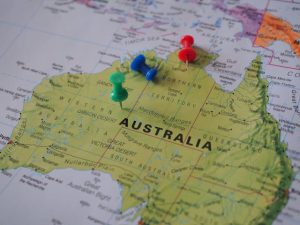
Photo by Beate Vogl
Australian taxation laws require you to provide your country of tax residency details via your TIN or equivalent when opening a bank account. Most banks allow you to start this process online before you even arrive in the country. This makes it easier to transfer your initial funds and have a debit card ready for use. Once you land, you will just need to visit a branch to verify your identity.
Having a local account is essential for getting paid by an Australian employer. It also helps you avoid international transaction fees when you buy things locally. Most banks offer mobile apps that make it easy to pay bills or transfer money to friends. Look for accounts that offer low or no monthly maintenance fees for the first year.
Once your account is open, you can apply for a Tax File Number (TFN). This is a unique number issued by the Australian Taxation Office to individuals and organizations. Without a TFN, you will be taxed at the highest possible rate on your income. Getting this sorted early ensures you keep more of your hard-earned money from your first paycheck.
Banking benefits for newcomers
- Many major banks have dedicated migrant banking teams to assist with the transition.
- Online banking is the standard, and most places in Australia are “cashless” friendly.
- You can often link your Australian bank account to your digital wallet for easy phone payments.
Setting up your new life in Australia is a journey that begins long before you board the plane. Taking things one step at a time keeps the process manageable and less overwhelming. Once the logistics are sorted, you can focus on exploring your new neighborhood and meeting people. Australia is a beautiful place to call home, and a smooth start makes all the difference. Enjoy the sun and the new opportunities waiting for you.