

Beat the heat: How to keep your office cool on hot days
Sponsored content. This article was supplied by a third party and Business Money has been paid to publish it.
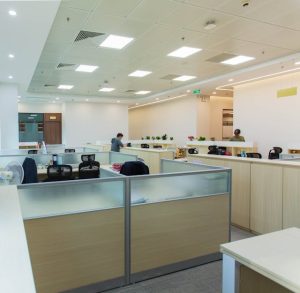
Photo by DOAN THANH BINH
Keeping your office cool during a heatwave can feel like a losing battle. The sun beats down on the building, and computers generate their own heat. Before you know it, the air feels thick and uncomfortable for everyone. High temperatures make it hard to focus on simple tasks. Managing the climate in a professional setting requires a mix of smart habits and reliable equipment.
Master the morning routine
The best way to keep a workspace cool is to start before the sun gets too high. Opening windows in the early morning allows cooler air to circulate through the rooms. A recent blog post from a major weather service suggests this simple step helps clear out the stale heat from the previous day. You can trap that refreshing air by closing everything up as soon as the outside temperature starts to rise.
Locking the cool air inside is a team effort. Everyone needs to agree on keeping doors and windows shut once the morning chill fades. This prevents the humid outdoor air from sneaking in and making the space feel stuffy. It creates a baseline temperature that is much easier for your cooling systems to maintain.
Optimize your air flow
Air conditioning works best when the system is in top shape. If you need reliable HVAC services, it helps to schedule a check-up before the hottest months arrive. This ensures your unit can handle the heavy workload without breaking down when you need it most. Clear vents and clean filters allow the system to push cold air into every corner of the office.
Consistent maintenance keeps the air quality high and the temperature steady. It prevents the unit from working harder than it needs to. When the equipment runs smoothly, the entire office stays comfortable throughout the longest afternoon meetings. A broken unit in July is a disaster that can send everyone home early.
Managing sunlight and heat
Large windows provide great views, but they let in a massive amount of heat. Using blinds or reflective films can block out the worst of the sun’s rays. These tools stop the greenhouse effect that turns an office into an oven. Keeping the light out during the peak hours of 2 p.m. to 4 p.m. makes a visible difference on the thermostat.
You might even consider temporary external shades for south-facing windows. These catch the heat before it ever hits the glass. If your office has skylights, look into remote-controlled covers. Taking control of the light levels is one of the most effective ways to lower cooling costs.
Hydration and health
Staying cool is about more than the air around you. It is about keeping your body temperature regulated. A health and safety report mentioned that water should be kept below 15 degrees and placed near work areas. Providing easy access to chilled water helps employees stay refreshed and alert.
- Set up a dedicated water station with ice.
- Encourage shorter, more frequent breaks near cooling fans.
- Swap heavy lunches for lighter meals that do not leave you feeling sluggish.
Cold drinks are a necessity, not a luxury, during a heatwave. Dehydration leads to headaches and fatigue, which are common in hot environments. When the team stays hydrated, they keep their energy levels up until the end of the day.
Power down extra equipment
Every piece of electronics in your office acts like a small heater. Computers, printers, and even coffee machines give off warmth while they are plugged in. Turning off devices that are not in use can lower the ambient temperature by a few degrees. Switch to LED light bulbs where possible – they stay much cooler than old-fashioned incandescent bulbs.
Many offices have server rooms that get extremely hot. Keeping the door to these rooms closed prevents that heat from spilling into the main workspace. If you have extra monitors that no one is using, unplug them entirely. Small changes in energy use add up to a cooler environment.
Use fans strategically

Photo by LYCS Architecture on Unsplash
Fans do not actually lower the temperature of a room. They work by moving air across the skin to create a cooling effect. Placing a fan near an open window in the evening can pull in the night air more effectively. In a large open-plan office, several small fans are often better than one giant unit that only hits a few desks.
- Position floor fans to create a cross-breeze.
- Use ceiling fans in a counter-clockwise direction to push air down.
- Avoid placing fans where they just blow hot air from electronics toward people.
Fans also help prevent pockets of stagnant air. Stagnant air feels warmer and more humid than moving air. A gentle breeze makes a room at 24 degrees feel much cooler than it actually is.
Finding the right balance of shade, airflow, and hydration will get your team through the summer. Most of these changes are easy to implement and cost very little. By planning ahead and keeping your cooling systems ready, you can maintain a professional atmosphere no matter how high the temperature climbs outside. Staying cool keeps everyone happy and focused on the job at hand.