

Best uses for insulated bearings in industry
Sponsored content. This article was supplied by a third party and Business Money has been paid to publish it.
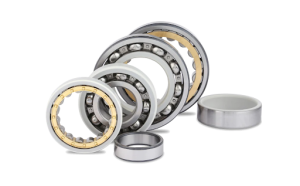 Unexpected motor failures can shut down an entire production line without warning. In many cases, the cause is electrical current passing through bearings, which leads to damage over time. This is why many industries now use insulated bearings to protect equipment, reduce downtime, and improve reliability in demanding environments.
In industrial applications, components like insulated bearings by SDTFL are designed to prevent electrical damage and extend equipment life. This article explains where insulated bearings are most useful, how they protect machinery, and why many industries rely on them to keep systems running smoothly.
Electric motors in manufacturing plants
Electric motors are one of the most common places where insulated bearings are used. Electrical currents can pass through standard bearings and cause pitting, fluting, and premature failure. Insulated bearings help prevent this damage and protect the motor over time.
In manufacturing plants, motors run for long hours and often operate under heavy loads. This increases the risk of electrical damage inside the bearing. Insulated bearings reduce this risk and help keep production running without unexpected equipment failure or costly downtime.
Variable frequency drive systems
Variable Frequency Drives, also known as VFD systems, are widely used to control motor speed and improve energy efficiency. However, VFD systems can create electrical currents that pass through motor bearings, which can cause serious damage if not controlled.
Insulated bearings are commonly used in VFD-driven motors because they block electrical currents from passing through the bearing. This helps prevent internal damage and extends the life of the motor. Many industrial facilities install insulated bearings in these systems to improve equipment reliability and reduce maintenance costs.
Pumps and compressors
Pumps and compressors operate in demanding environments where reliability is critical. Electrical damage to bearings in this equipment can lead to system failure, which may stop operations completely.
Common equipment that uses insulated bearings includes:
- Industrial water pumps
- Oil and gas compressors
- HVAC system compressors
- Chemical processing pumps
These machines usually run continuously, so protecting the bearings helps reduce maintenance and repair costs while improving equipment lifespan.
Rail and transportation systems
Rail systems and electric transportation equipment also use insulated bearings. Electrical currents from traction motors can pass through bearings and cause damage over time if insulation is not used.
Insulated bearings help protect traction motors, wheel systems, and other rotating components. This improves reliability and reduces maintenance requirements. In transportation systems where safety and reliability are important, insulated bearings play an important role in keeping equipment operating correctly.
Reduces equipment downtime
Choosing the correct insulated bearing depends on the motor size, load, speed, and operating environment. Engineers and technical specialists select the correct bearing type based on the equipment requirements and operating conditions, which helps prevent unexpected failures.
Proper selection usually considers motor size and voltage, load and speed requirements, operating temperature, and exposure to moisture or dust. When the correct insulated bearing is used, it can increase equipment life and reduce maintenance issues in industrial environments. This helps industries avoid sudden breakdowns and costly production delays.
Insulated bearings play an important role in protecting motors, pumps, compressors, and transportation equipment. Many industries rely on components such as insulated bearings by SDTFL and motor bearings to prevent electrical damage, reduce downtime, and improve equipment reliability. These components are commonly used in industrial systems where electrical protection and long equipment life are important. Choosing the right bearing solution helps industries maintain consistent performance and avoid unexpected equipment failures.