

Do all price guns use the same type of labels?
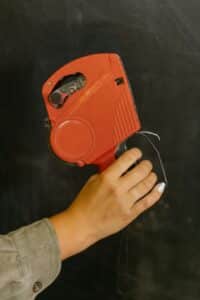 Price guns are essential tools in retail, warehousing, and food service environments. They make it quick and efficient to label products with prices, dates, or batch codes. But if you’re setting up a new labelling system or replacing supplies, you might be wondering: do all price guns use the same type of labels?
The short answer is no. While many price guns look similar, not all of them use the same label size, shape, adhesive, or layout. Choosing the wrong labels can lead to printing issues, misalignment, or even damage to the device. That’s why it’s essential to understand how label compatibility works and how to select the correct labels for your specific model.
This blog will explain the key differences between price gun labels, how to identify what type your machine uses, and what to look for when ordering replacements.
Why label compatibility matters
Price guns are designed to work with specific label sizes and layouts. These labels are usually fed through the gun via a roll, and the machine is calibrated to print on a certain size and format. Using the wrong type of label may result in:
- Labels not fitting properly inside the gun
- Printing misaligned text or digits
- Labels jamming or tearing during use
- Wasted labels and lost time
For busy retail or stockroom environments, avoiding these issues saves both time and money, where Price Gun Land will advise you best. It also ensures that labels are legible, consistent, and professional-looking when applied to products or packaging.
Do all price guns use the same size label?
No, not all price guns use the same size of label. Different models are built to handle specific label dimensions. One of the most common label sizes is 26mm x 12mm, often used in single-line guns. This size is popular because it’s compact, easy to read, and suitable for most standard retail pricing.
However, other label sizes include:
- 22mm x 12mm (smaller format, often for lighter guns or finer text)
- 26mm x 16mm (wider label used in two-line guns)
- 29mm x 28mm or larger sizes (used in industrial or multi-use models)
Even within the same brand, different models may require different sizes, so it’s important to check the label size specification before purchasing.
Single-line vs two-line price guns
Another factor affecting label type is whether the price gun prints in one line or two. Single-line price guns typically display just a price or date. Two-line price guns, on the other hand, can include additional information like a batch number, expiry date, or a combination of letters and numbers.
Two-line guns require labels with more vertical space. These are usually 26mm x 16mm or similar, allowing enough room for two rows of print. Attempting to use a smaller, single-line label in a two-line gun will result in text being cut off or poorly aligned.
So while two guns may appear similar on the outside, their printing mechanism and label layout can be quite different.
Shape and layout of price gun labels
Most price gun labels are rectangular with rounded edges, but the layout can still vary. Some have perforations for easy tear-off, while others may have specific cut shapes to match the feed mechanism of the gun. For example, many 26mm x 12mm labels are “wavy” or scalloped on the edges to help the roller grip and feed the label smoothly.
If the shape of the label doesn’t match the gun’s feed system, the labels may jam, fail to print correctly, or slip during use.
Adhesive types: Permanent vs removable
In addition to size and layout, price gun labels also differ by adhesive type. The two main options are permanent and removable:
- Permanent labels use a strong adhesive that sticks firmly and can’t be removed easily without tearing or leaving residue. These are ideal for long-term use or rough handling.
- Removable labels use a gentler adhesive, making them easier to peel off without damaging the packaging. These are often used for gift items, clothing, or promotions.
Most price guns are compatible with both types of adhesive, provided the label size and layout are correct. However, knowing the difference ensures you’re choosing the right label for your products and customers.
Label roll core size and quantity
Another subtle difference between price gun labels is the roll’s core size (the inner hole around which the labels are wound). Some guns are designed to take a smaller core for a compact fit, while others may accommodate larger rolls for high-volume use.
The number of labels per roll can also vary. Standard rolls typically hold 1,000 labels, but industrial rolls may hold more. If your gun can only take a certain size of roll, ordering labels with a larger core or label count could cause compatibility issues.
How to find out what labels your price gun uses
If you’re unsure what type of label your price gun needs, there are a few simple steps you can take:
- Check the model number – Most price guns have a model number printed on the side or inside the handle. You can use this to look up compatible labels online or in a product manual.
- Measure an existing label – If you’ve run out of packaging or lost the original box, measure one of the existing labels. Note the width and height in millimetres, and compare it with standard label sizes.
- Look at the label shape – Are the edges straight or scalloped? Are there perforations? Is it a one-line or two-line label?
- Refer to the manufacturer’s guide – Most major price gun brands, such as Motex, Sato, Lynx, and Avery Dennison, provide guidance on compatible label sizes and specifications.
- Speak to a label supplier – Suppliers can often recommend the correct labels if you provide the make and model of your pricing gun.
Common brands and label compatibility
Some price guns are compatible with universal label sizes, while others are brand-specific. For instance, many Motex and Lynx one-line models use 26 x 12mm labels, but certain Sato or Avery Dennison models may use proprietary label sizes or require a specific core type.
Tips for choosing the right labels
- Always match the label size to load your price gun model correctly.
- Choose permanent or removable adhesive based on how long the label needs to stay on.
- Make sure the label layout fits your printing needs (e.g. single or double line).
- Check the core size and roll quantity to ensure a proper fit.
- Buy from a reputable supplier to guarantee label quality and consistency.
Conclusion
Not all price guns use the same type of labels. Label compatibility depends on the size, shape, adhesive type, and design of the gun. Matching your price gun to the correct labels ensures smoother operation, clearer printing, and a more efficient labelling process.
Before placing an order, take a few minutes to check your model’s label specifications. Understanding the differences between label types helps avoid frustration and ensures you’re using the right supplies for your retail or business environment.