

From stockrooms to smart storage: A practical look at business space needs
Sponsored content. This article was supplied by a third party and Business Money has been paid to publish it.
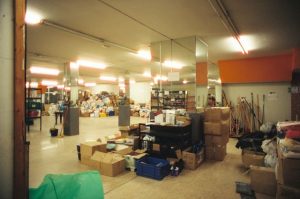
Photo by Masi
Running a business means dealing with stuff… A lot of stuff.
Inventory. Equipment. Paperwork. Seasonal merchandise. Marketing materials. Stuff piles up faster than you can say, “Where do I put this?!” For years, business owners could either stuff it in a back room or sign on for another costly warehouse lease.
But here’s the thing…
Things have drastically evolved. Today self-storage is disrupting the way small businesses, contractors and eCommerce merchants think about their physical storage needs. Here are some stats that will blow your mind.
Here’s what’s inside:
- Why businesses are rethinking storage space
- The numbers behind business storage demand
- How to calculate storage unit square footage for your business
- The smart storage options worth considering
- Mistakes to avoid when renting business storage
Why businesses are rethinking storage space
The way businesses use space has changed. And it has changed fast.
Big city commercial rents are no joke. Warehouses cost a fortune and are typically long term leases. Nobody really needs 5000 sqft of vacant space collecting dust half of the year.
That’s where self-storage steps in.
Industry research predicts business tenants are forecast to grow at a 4.89% CAGR through 2031, outpacing the overall storage market. Why? Online sellers, contractors, and service providers are renting units for staging inventory and equipment.
Deciding how much square footage you need is your initial major decision. Choose incorrectly and you’ll either be spending money on unused space or stuffing pallets into an undersized unit.
Need help determining your space requirements? This storage unit size guide at https://www.sparefoot.com/storage-unit-size-guide covers the most popular storage unit square footage sizes and details what will fit in each.
Pretty handy when you’re starting out.
The numbers behind business storage demand
The self-storage industry has exploded. Here’s what’s happening:
Industry analysts forecast that the US self-storage market will reach USD 47.28 billion in 2026.
- The global market is expected to hit USD 113.13 billion by 2035.
- Commercial renters now make up 27.2% of the storage market share.
That last one is the kicker.
Self-storage once was for personal goods. Unwanted furniture, college boxes, holiday decorations. These days, small businesses are dominating the industry. There’s good reason why.
How to calculate storage unit square footage for your business
Determining your size is pretty straightforward… Though there are a few guidelines to help you along.
Start with what you have
Take stock of everything that needs storing. That means:
- Inventory boxes and product stock
- Office equipment and furniture
- Seasonal or promotional materials
- Tools and machinery
- Paperwork and archived files
Time to stack variables in your mind (or on paper). Storage units are typically 5 feet tall, 8 feet tall, or 10 feet tall. Height is important because you can put shelves on shelves and utilize every cubic foot.
Match the size to the job
Here’s a rough guide most operators use:
- 5×5 (25 sq ft): Great for paperwork, small inventory, and a few boxes
- 5×10 (50 sq ft): Suits a small home-based eCommerce seller
- 10×10 (100 sq ft): Workhorse size for a growing online business
- 10×20 (200 sq ft): Big enough for a small contractor’s full kit
- 10×30 (300 sq ft): Practically a small warehouse
Self Storage units categorized as the 10×10 size grabbed 35.57% of 2025 revenue, making it the most rented size from households and businesses.
Why? Because it’s the sweet spot.
Add room to move
One common error people make when packing is trying to fill every square inch of the unit. Don’t.
You want aisles to walk to get things when you need them. A decent rule of thumb is to aim to have ~20% of your flooring space be aisle space.
The smart storage options worth considering
Self-storage in 20 26 has vastly changed from storage you knew ten years ago. Successful ones are becoming warehouse-esque.
Climate-controlled units: As the name implies, these units will keep your electronics, documents or anything else that can be damaged by heat/humidity safe. They are more expensive to rent, but if you own a business and need to store inventory such as skincare products, electronics, paperwork, etc. they are essential.
Hours available: If you operate a web-based business and find yourself needing to pull stock at odd hours, look for a facility that allows 24/7 access. Some will require an appointment while others will not.
Dock doors and drive-up windows: They can make life easy if you need to move large or heavy inventory. Nothing beats rolling a truck up to a garage door rather than carting boxes down a corridor.
Keypad access, surveillance cameras, individual alarms for each storage unit. . .you name it. Security is important. Your inventory is your investment, don’t leave it unprotected.
Some buildings offer amenities such as parcel delivery, so you can have inventory shipped directly to your pod. Neat huh?
Mistakes to avoid when renting business storage
Now for the part most blog posts skip… The screw-ups.
Choosing a unit that’s too small to save money: Everyone thinks they have less STUFF than they do. So they pay to move it somewhere they can’t fit it all at first. Then they either have to upgrade halfway through their lease (booooooooooorings!) or pack the place so full you can’t walk. If you’re hesitating, size up!
Overlooking climate control when you need it: Extreme temperatures and humidity will damage your inventory. Invest in climate control if you store anything susceptible to warping, melting, mould or fading.
Forgetting to insure: Self-storage facilities often require it. Check your business insurance policy first to see if contents are included or ask about theirs.
Choosing the lowest priced facility: That dollar store deal may end up costing you much more than a couple bucks a month. Check out reviews online and visit the facility beforehand if possible. Trust your instincts.
Putting it all together
Smart storage is changing how businesses operate.
Say goodbye to crammed quarters in the backroom or being tied down to a 5-year lease on warehouse space. Whether you’re a contractor storing tools, an eCommerce merchant with inventory or a small business with excess stock – self storage can provide flexibility without the commitment.
To quickly recap:
- Take stock of what actually needs storing
- Calculate your storage unit square footage with a bit of breathing room
- Pick a facility with the right features (climate control, access hours, security)
- Avoid the common mistakes like undersizing or skipping insurance
Do it right and you’ll spend less, clear your desk and have space to expand your business — without renting unnecessary space.