

How much does it cost to hire a generator?
Sponsored content. This article was supplied by a third party and Business Money has been paid to publish it.
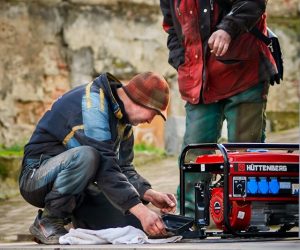
Photo by igovar igovar
Generator hire costs in the UK range from around £25 per day for a small 3kVA petrol unit to £500 or more per day for an industrial diesel generator above 200kVA. The exact price depends on generator size, fuel type, hire duration and whether delivery, fuel and operator support are included.
For most small and medium-sized businesses, the realistic range sits between £40 and £150 per day. That covers the 5kVA to 20kVA bracket, which handles everything from powering a temporary office to running a small construction site. Weekly and monthly rates bring the effective daily cost down considerably, sometimes by 40-60%.
This guide breaks down what UK businesses can expect to pay, what drives the price up or down, and how to avoid the common mistakes that turn a straightforward hire into an expensive one.
Generator hire rates by size
Generator capacity is measured in kVA (kilovolt-amperes), and it is the single biggest factor in the hire price. Here is what each size bracket covers and what it typically costs.
Small generators: 1kVA to 5kVA
These are compact, portable, petrol-powered units. They suit small jobs: powering hand tools on a site without mains electricity, running a few lights at an outdoor event or keeping a food van operational.
A 3kVA petrol generator typically hires for £25 to £45 per day. Weekly rates run from about £60 to £120. These units are light enough for one or two people to move without lifting equipment, which keeps delivery costs low or makes collection from a depot practical.
The trade-off is limited power output and higher fuel consumption per kWh compared to diesel models. For anything beyond basic lighting and a couple of power tools, you will need to step up.
Medium generators: 6kVA to 20kVA
This is the workhorse range for SMEs. A 6kVA silenced diesel generator handles multiple 110V and 240V tools running simultaneously. A 10kVA unit powers a full temporary site office with lighting, heating and IT equipment. At 20kVA, you can support a medium construction operation or a wedding marquee with full catering and sound.
Daily hire rates for this bracket sit between £50 and £150. Weekly rates range from £120 to £350. Diesel models cost slightly more to hire than petrol equivalents, but they run longer between refuels, burn fuel more efficiently and hold up better under sustained load, which makes them cheaper to operate over any hire longer than a day.
Most national hire companies, including HSS, Speedy Hire and independent regional operators, carry strong stock in this range. Availability is rarely an issue outside peak summer event season.
Large generators: 20kVA to 100kVA
Large generators serve major construction projects, commercial operations running heavy machinery, festivals and corporate events with high power demands. They are typically road-towable trailer units, silenced to meet Environmental Protection Act noise limits.
Daily rates range from £150 to £350. Weekly hire drops the effective daily cost to between £60 and £150 per day. At this size, delivery is almost always included in the quote because the units weigh upwards of 500kg and require a trailer or flatbed.
Businesses hiring in this bracket should expect the supplier to carry out a site survey or at least discuss the load requirements in detail before quoting. An undersized generator running at or above its rated capacity will burn through fuel, overheat and potentially fail. An oversized one wastes money on a daily rate you did not need.
Industrial generators: 100kVA to 500kVA+
These are specialist units for large-scale industrial operations, data centre backup, hospital emergency power and major infrastructure projects. Daily rates start at around £300 and can exceed £1,000 for the largest units with full fuel management and operator support.
Hire at this level is almost always quoted on a project basis rather than a simple daily rate. The supplier typically handles delivery, installation, fuel supply, maintenance and decommissioning as part of a single contract. For most SMEs, this bracket is relevant only in emergency scenarios, such as a factory losing mains power during a critical production run.
What else affects the price?
The daily hire rate is not the full cost. Several additional factors determine what you actually pay.
Hire duration
Longer hires are cheaper per day. A generator that costs £80 per day on a daily rate might cost £200 for a full week, which works out at under £30 per day. Monthly rates bring it down further. If your project runs for more than a few days, a weekly rate almost always makes more financial sense, even if you do not use the generator every day that week.
Some suppliers also offer long-term contract rates for hires running three months or more, with reductions of 50-60% against the standard daily rate. This is worth exploring for seasonal businesses, ongoing construction programmes or any operation that needs backup power as standard.
Fuel costs
The hire rate covers the machine. Fuel is usually your responsibility. A 6kVA diesel generator running at 75% load burns roughly 1.5 to 2 litres of diesel per hour. At current UK red diesel prices (around 75-80p per litre for commercial use, where eligible), that adds £1.15 to £1.60 per hour of running time.
Over an eight-hour working day, fuel costs add £9 to £13 on top of the hire rate. For a 20kVA unit, fuel consumption rises to around 4 to 6 litres per hour, adding £25 to £40 per day. These are not trivial sums on a long hire, and they are easy to underestimate.
Worth noting: the UK tax rules around red diesel changed in April 2022. Most commercial and industrial users outside agriculture, horticulture, forestry and a few other exempted sectors must now use standard white diesel, which costs roughly 30% more. Check your eligibility before budgeting.
Delivery and collection
Small generators from local hire shops can often be collected and returned at no extra cost. Anything above 6kVA usually requires delivery by van or flatbed, which typically costs £50 to £150 each way depending on distance.
Some suppliers include delivery in the hire quote for weekly or monthly bookings. Others charge it separately. Always ask whether the quoted price is for delivery and collection or machine hire alone.
Insurance and damage waiver
Most hire companies offer an optional damage waiver, usually charged at 10-20% of the hire cost. This covers accidental damage, theft and loss during the hire period. Without it, you are liable for the full repair or replacement cost of the equipment.
For a £100-per-day generator hired for a week, the waiver might add £70 to £100. Whether it represents good value depends on your site conditions, existing insurance cover and appetite for risk. If your business insurance already covers hired-in plant, you may not need it, but check the policy wording carefully.
Specialist requirements
Standard generator hire covers a general-purpose power supply. But many business applications need something more specific.
Silenced generators cost 10-20% more than their standard equivalents. They are mandatory for residential areas, night work and most events.
Three-phase power output is required for certain industrial machinery and costs more than single-phase units of the same kVA rating.
Combined units that serve dual purposes also carry a premium. Welder generator hire, for example, provides both site power and welding capability from a single machine, which is common on construction and fabrication projects where transporting two separate pieces of equipment is impractical or where site space is limited. These units start from around £60 to £80 per day for a diesel welder, depending on output.
Cold-weather and altitude specifications matter for remote or exposed sites. Not every supplier carries equipment rated for these conditions, which can affect both availability and price.
How to work out what size generator you need
The most expensive mistake businesses make with generator hire is choosing the wrong size. Too small, and the generator runs at full capacity, burns excessive fuel, and risks tripping under load. Too large, and you pay a higher daily rate for capacity you never use.
The calculation is straightforward. List every piece of equipment you need to power, note its wattage (check the nameplate or manual), and add up the total. Then add 20-25% headroom for surge loads, which are the short spikes in power draw that occur when electric motors start up.
A few common reference points for UK business users: a standard 13A socket draws up to 3kW. A portable cabin with lighting, heating and a few plug sockets needs around 3 to 5kVA. A small construction site running a cement mixer, a couple of power tools and site lighting needs 6 to 10kVA. A catering kitchen with refrigeration, ovens and extraction needs 15 to 30kVA.
If you are unsure, any reputable hire company will help you size the unit. Most would rather spend ten minutes discussing your load requirements than deal with a breakdown call because the generator was undersized.
Hiring vs buying: When each makes sense
For a business that needs a generator three or four times a year, hiring is almost always the more cost-effective option. A 6kVA diesel generator costs £3,000 to £5,000 to buy. At hire rates of around £200 per week, you would need to use it for 15 to 25 weeks before purchase breaks even, and that calculation ignores storage, servicing, fuel management and depreciation.
Buying makes sense when you need continuous or very frequent power on a permanent site, particularly if you have the storage space and the in-house knowledge to maintain the equipment. For everyone else, hiring keeps the cost variable, the maintenance someone else’s problem and the equipment current.
Asset finance and lease arrangements can blur the line. Some hire companies offer lease-to-own structures for businesses that start with a hire and realise they need the equipment long-term. The Federation of Small Businesses and the Hire Association Europe (HAE) both publish guidance on evaluating hire-versus-buy decisions for plant and equipment.
Red flags to watch for
Not all hire suppliers operate to the same standard. A few things worth checking before you commit.
PAT testing and service records should be available for any generator you hire. Ask for them. A well-maintained unit is less likely to fail mid-project, and if it does fail, you want evidence that the supplier kept it in proper condition.
Fuel consumption figures should be available for the specific model, not just the kVA class. Real-world consumption varies considerably between manufacturers and models.
Breakdown response times matter. A generator failure on a construction site or at a live event is not a minor inconvenience. Confirm what the supplier’s response commitment is and whether they carry backup stock for immediate swap-outs.
Hidden charges for minimum hire periods, late returns, cleaning fees and fuel top-ups can inflate the final invoice well beyond the quoted rate. Read the terms before signing and ask for a fully inclusive quote wherever possible.
Getting the best rate
Three quotes is the minimum. Prices vary significantly between national chains and independent regional suppliers, and the cheapest headline rate is not always the cheapest total cost once delivery, fuel and insurance are factored in.
Book early for peak periods. Summer weekends, the festival season (May to September) and the Christmas shutdown period all drive demand for generators. Availability tightens and prices rise. If you know your dates, reserving two to three weeks ahead can save 10-15%.
Consider a trade account if you hire equipment regularly. Most suppliers offer discounted rates, flexible payment terms and priority booking for account customers. For businesses that hire generators, lighting, plant or tools more than three or four times a year, a trade account will pay for itself quickly.