

How small businesses can think about market exposure without losing focus
Sponsored content. This article was supplied by a third party and Business Money has been paid to publish it.
 The primary concern for small business owners is usually cash flow, customers, tax, inventory, payroll, rental expenses, and expansion. While the finance market seems worlds apart from the day-to-day activities of any business, it is responsible for affecting nearly everything. Exchange rates determine how much one must pay for imported products, while interest rates influence the payments on any loans made. Prices of power determine overhead costs for running a company while overall market confidence influences how easy it is for firms to acquire funding. Hence, there are more individuals interested in market exposure despite having zero intentions of joining the ranks of active traders.
The first problem faced by novice participants in the market involves understanding the terminology. Concepts such as equities, bond issues, commodities, foreign exchange trading, futures, options, and other terms seem to represent some secret language only a few are privy to. One of the commonly used terms that may be found in financial discussions is CFD, which can be explored using materials such as What are CFDs. In simple terms, a contract for difference represents a financial instrument that is tied to fluctuations in the price of underlying assets.
Why market exposure matters to business owners
A small company may never trade financial instruments directly, yet it can still be exposed to market changes every week. A café that buys imported coffee is affected by currency movements. A delivery firm feels fuel price changes quickly. A construction business may be exposed to steel, timber, or energy costs. An online store selling abroad may see profits move with exchange rates.
This is why market awareness is practical. It helps owners understand why supplier prices change, why loan costs rise, and why customers may spend less during uncertain periods. The goal is not to predict every market movement. The goal is to avoid being surprised by the obvious ones.
For instance, when a company imports products from Europe and makes most of its income in pounds, an alteration in the currency rates between the pound sterling and euro will adversely affect the bottom line. In case a business uses a lot of fuel, alterations in the prices of oil will affect the delivery expenses. In case a business has taken variable debts, changes in interest rates will determine the amount of interest charged every month.
Market exposure is already inside the business. The question is whether the owner notices it early enough.
The appeal and risk of CFDs
The advantage of the use of CFDs by many people is that it gives them exposure to many markets through one account. This means that a trader can have a view of the performance of many financial assets without actually buying them.
One thing about CFD trading is that it comes with a significant amount of risk since it is mostly done on leverage. That can increase gains, and it can also increase losses very quickly. The UK Financial Conduct Authority has repeatedly warned retail investors about CFD risks, especially when people are pushed toward higher-risk products or give up consumer protections.
This matters because business owners are often comfortable with risk in their own field. They may understand hiring, sales, stock, contracts, and client relationships. Financial market risk works differently. Prices can move fast, news can change sentiment within minutes, and leverage can make a small movement feel large.
Before using any market product, a business owner should understand:
- how the product works
- what can cause losses
- how much capital is at risk
- whether leverage is involved
- what fees or overnight costs apply
- whether the provider is regulated
- whether the activity fits their real financial goals
A CFD should never be treated as a casual shortcut to extra income. It is a complex instrument that requires discipline, education, and a clear limit on risk.
Using market knowledge without overcomplicating business
There is an approach in the middle between ignoring financial markets and attempting to trade everything that happens in them. A lot of entrepreneurs might find it beneficial to understand how markets operate without necessarily being involved in trades. This knowledge can support better planning.
A retailer may watch currency trends before placing a large overseas order. A manufacturer may follow commodity prices before negotiating supplier contracts. A company with loans may pay closer attention to central bank decisions. A founder planning expansion may monitor investor sentiment and borrowing conditions.
The practical value is in decision-making. If energy prices are rising, a business may review contracts earlier. If the volatility of the currency is very high, it will help not to be overly generous with pricing international deals in the long term. In case interest rates are forecasted to remain high, it will help not to enter into unnecessary borrowing operations.
The Wikipedia overview of contracts for difference gives a broad explanation of how CFDs fit into the wider world of derivatives. Still, for a business owner, the larger lesson is about exposure. Every financial decision has a link to price, time, risk, and uncertainty.
A sensible approach to financial tools
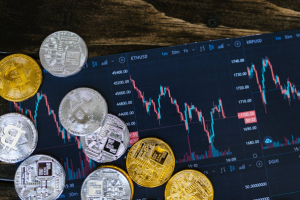 The best approach starts with clarity. What motivates your interest in any particular market product? Do you want to understand how markets work, to speculate on them, or do you try to hedge some risk? These motives imply different amounts of required understanding of the market.
It is also advisable for an entrepreneur to keep his business capital and risk capital separated. The former includes money intended for payroll, payment of taxes, suppliers’ payments, and emergency funds. This type of capital cannot under any circumstances be touched by market products.
A simple framework helps:
- Keep operating cash separate from investment or trading funds
- Learn the product before using real money
- Start with risk, then think about possible return
- Check regulation and provider reputation
- Avoid decisions based on social media hype
- Review fees, spreads, margin rules, and withdrawal terms
- Stop when the activity distracts from the core business
The latter is essential to keep in mind. The success of any business lies in its customers, processes, quality of products, pricing, and implementation. Finance tools may assist one in analyzing, planning, or managing risks, but not at the expense of activities which generate revenue.
Final thoughts
CFDs sit at the sharper end of financial products. They can help explain how modern market access works, and they can also show why leverage deserves respect. For business owners, the main value may begin with education rather than trading.
Understanding market exposure makes a company more prepared. This makes the owner of the business more knowledgeable when asking questions about suppliers, pricing strategies, financial leverage, currency risks, and working capital needs. Living in a world full of markets, it is hard to avoid financial literacy as an important component of the running business.